From Self-Defense to Open Aggression; A Multi-Layered Crisis Between Pakistan and the Taliban
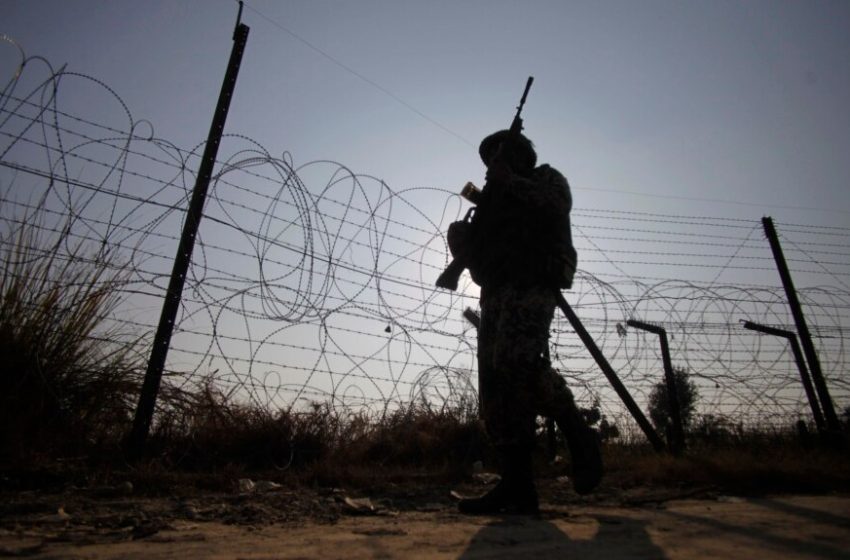
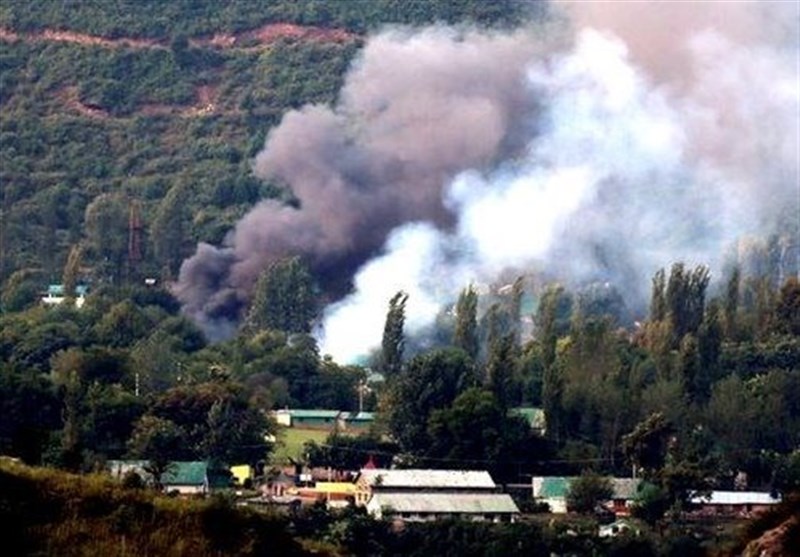
Tawazon – When combat drones thundered over Kabul and Paktika, the Durand Line once again turned into a deadly battlefield. Major border crossings, including Torkham and Spin Boldak were shut down, civilians were killed and both sides exchanged fiery statements justifying their military actions. In the midst of this turmoil, the United Nations Charter, considered the foundation of international law, has once again been put to the test by the complex realities of regional security. Is Pakistan exercising its right to self-defense? Or do these strikes constitute a clear violation of Afghanistans sovereignty?
This analysis examines one of the most intricate security crises in the region through the lens of the UN Charter, conflicting narratives, humanitarian consequences, and geopolitical implications.
The UN Charter
The United Nations Charter, the most significant document in international public law, provides two key articles to assess whether cross-border military actions are lawful or illegal.
Article 2(4) Prohibition of the Use of Force: All members shall refrain in their international relations from the threat or use of force against the territorial or political independence of any state. Under this principle, military attacks on another states territory are illegal except under extraordinary circumstances.
Article 51 Right to Self-Defense: In the event of an armed attack against a member of the United Nations, that state has the inherent right of individual or collective self-defense until the Security Council has taken necessary measures.
This article allows self-defense only under strict conditions:The threat must be imminent, real, and unavoidable; the response must be proportionate, Distinction must be made between military and civilian targets, the defending state must immediately report its actions to the UN Security Council.
If these legal requirements are not met, especially the criteria of imminence, proportionality, distinction, and immediate reporting, the invocation of Article 51 cannot serve as a legitimate basis for military action. Similarly, if Pakistans airstrikes in Afghanistan were conducted without Kabuls consent and without UN Security Council authorization, they may constitute a violation of the prohibition of the use of force of the UN Charter.
Pakistans Narrative; Self-Defense Under International Law
Pakistan argues that its recent airstrikes and military operations were conducted within the framework of legitimate self-defense under Article 51 of the UN Charter, in response to attacks by Tehrik-e-Taliban Pakistan (TTP) originating from Afghan soil. Article 51 is the only exception to the UN prohibition on the use of force and permits states to defend themselves in the event of an armed attack until the UN Security Council takes action. Islamabad cites a series of security reports and official data to justify its actions, claiming that the TTP carried out more than 1,750 attacks inside Pakistan in 2024, resulting in nearly 3,000 casualties. These attacks reportedly included guerrilla assaults, bombings, and targeted killings, particularly in border regions.
Pakistan also points to the killing of Noor Wali Mehsud, the TTP leader, in a drone strike in Kabul as further evidence of the groups active presence and operational freedom in Afghanistan. Pakistani media outlets such as Pakistan Observer and Geo News have reported that TTP positions in Afghanistans Paktika province were targeted during recent air operations. The Pakistani military claims the strikes were intended to neutralize imminent security threats, and the Foreign Ministry has reiterated that Pakistan reserves the right to defend itself if cross-border terrorism continues. Islamabad also refers to reports from the UN Analytical Support and Sanctions Monitoring Team, which have documented the presence of terrorist groups inside Afghanistan.
However, under international law, four conditions must be met for Pakistan to legally justify it actions as self-defense: imminence of threat, proportionality of response, distinction between military and civilian targets immediate report to the UN Security Council. While Pakistan argues the sustained TTP attacks demonstrate an imminent threat, reports of civilian casualties in Afghanistans Helmand province raise questions about proportionality and compliance with international humanitarian law. Moreover, there is no public evidence so far that Pakistan has formally reported its actions to the UN Security Council as required under Article 51, weakening its legal justification.
In addition, Pakistan launched strikes without the consent of Kabul, which poses a major legal challenge. Even though the Taliban are not officially recognized as a legitimate government, Afghanistan remains a sovereign state under international law, and military operations without host-state consent may constitute a violation of Article 2 (4) of the UN Charter. Ultimately, Pakistans claim of self-defense relies on evidence of continued TTP attacks and what it describes as the Talibans failure to prevent terrorist activity on Afghan territory.
Talibans Narrative; Clear Violation of Sovereignty
The Taliban government has condemned Pakistans airstrikes on Kabul and Paktika as a blatant act of aggression against a sovereign state. According to the Taliban, the attacks were carried out without international authorization or diplomatic coordination and constitute a direct violation of the UN Charters prohibition on the use of force. In an official statement, the Talibans Ministry of Defense said that Pakistani airstrikes targeted civilian areas, including a livestock market in Paktika province resulting in the deaths of women, children, and other civilians. They accused Pakistan of violating Afghan airspace and undermining regional stability.
The Taliban argue that Pakistan cannot invoke self-defense because its actions do not meet the conditions specified in Article 51, and no evidence has been presented to justify the attacks as a necessary or proportionate response. Furthermore, the strikes were not coordinated with the UN Security Council nor conducted with the consent of Afghan authorities, making them, from the Talibans perspective, unlawful military aggression.
In response, the Taliban launched retaliatory cross-border attacks along the Durand Line, triggering some of the deadliest clashes between the two sides in recent years. Taliban officials described these operations as legitimate defensive action to protect Afghanistans sovereignty. Meanwhile, local sources in Bahramchah district of Helmand reported that at least seven civilians were killed in Pakistani artillery fire. Videos circulated on Afghan media showed scenes of destruction and grief among local residents. Taliban officials argue that such incidents illustrate Pakistans disregard for international humanitarian law, which obligates parties to distinguish between combatants and civilians.
In summary, the Taliban frame Pakistans actions as unprovoked aggression, citing the violation of Afghan sovereignty, lack of UN authorization, civilian casualties, breach of international law prohibiting the use of force. This narrative has not only shaped Afghanistans military response but has also intensified media debates and public sentiment across the country.
Consequences of the Crisis
Following Pakistans airstrikes in Kabul, Paktika, Khost and Kandahar, and the Talibans retaliatory attacks along the Durand Line, tensions between the two sides have rapidly expanded beyond the battlefield, spilling into the diplomatic, economic and humanitarian spheres. In a warning statement, the Pakistani military accused the Afghan Taliban of harbouring terrorist groups on Afghan soil and vowed to take all possible measures to protect its people, warning that any provocation would receive a decisive response. The increasingly assertive rhetoric highlights not only the worsening security crisis but also Islamabads effort to justify its actions in the international arena.
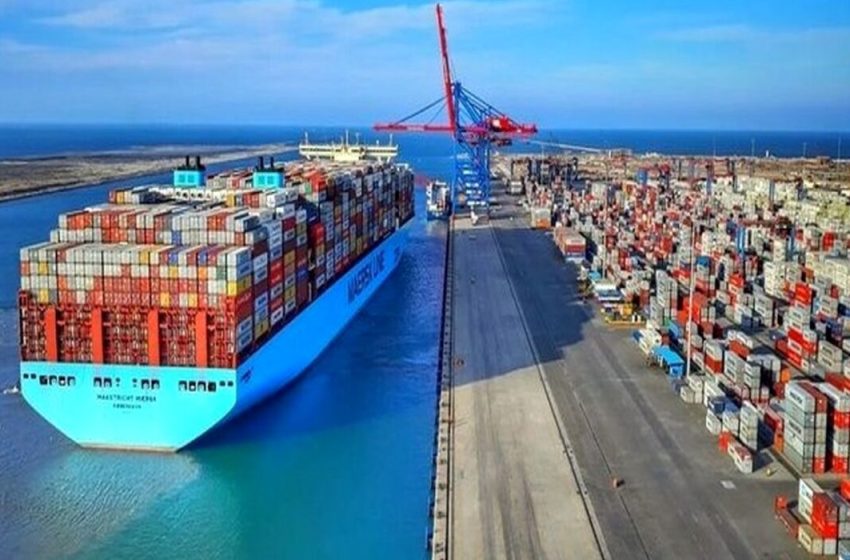
Meanwhile, major border crossings between the two countries were closed for consecutive days. Pakistani border authorities confirmed a complete halt in commercial transport and civilian movement, accompanied by heightened security measures along the Durand Line. The closures have disrupted vital trade routes and humanitarian access, placing additional strain on cross-border movement.
The crisis has also reignited the Afghan refugee issue. Pakistan, which has hosted millions of Afghan refugees over the past four decades, announced that it will regulate the presence of Afghan nationals within its territory in accordance with international norms and laws. The move follows Islamabads recent policy shifts aimed at the forced return of undocumented Afghans, indicating a shift from humanitarian hosting to security-driven management
In essence, security warnings, border closures and pressure on refugees form the three-sided response triangle emerging from what has now become a multi-layered regional crisis. The confrontation between Pakistan and the Taliban is no longer confined to military clashes along a disputed boundary,it now carries deep geopolitical, economic and humanitarian consequences for the region.
Roots of the Crisis, India and the TTP
Two major factors lie at the heart of the escalating crisis: the Talibans historic and ideological ties with Tehrik-e-Taliban Pakistan (TTP) and their growing diplomatic engagement with India. From Islamabads perspective, these two elements not only pose a serious threat to Pakistans national security, but also signal a decline in its traditional influence over Afghanistan and a shift in the regional balance of power.
First, the Talibans long-standing relationship with the TTP, rooted in shared tribal affiliations, ideological alignment and past battlefield cooperation, remains a major source of tension. Pakistan has repeatedly demanded that the Taliban prevent TTP fighters from operating on Afghan soil. However, the Taliban leadership continues to deny TTP presence, calling it an internal Pakistani issue. To Islamabad, this refusal demonstrates the Talibans preference for ideological loyalty over international obligations.
Second, the Talibans strategic outreach to India has triggered alarm in Pakistan. The visit of Taliban Foreign Minister Amir Khan Muttaqi to New Delhi, his meetings with senior Indian officials and symbolic gestures such as the display of the Bamyan Buddha image and the Afghan tricolor flag during diplomatic engagements, are seen by Pakistan as clear signals:The Taliban are redefining their foreign policy and are no longer operating solely within Pakistans sphere of influence. This emerging KabulDelhi axis, combined with the Talibans reluctance to restrain the TTP, strengthens Pakistans perception of a two-fold strategic threat: security threat from the TTP and geopolitical threat from Indias expanding influence in Afghanistan. Against this backdrop, Pakistans recent airstrikes may be viewed not only as a military response but also as a strategic message, a reassertion of Islamabads security red lines in the face of shifting alliances in the region.
Conclusion
Pakistans airstrikes inside Afghanistan, the deadly clashes along the Durand Line, and the closure of key border crossings have created a crisis that sits on a fine line between legitimate self-defense and military aggression. Islamabad, invoking Article 51 of the UN Charter, claims it was compelled to respond to what it calls imminent security threats posed by Tehrik-e-Taliban Pakistan (TTP) operating from Afghan soil. However, the lack of formal consent from Kabul, reports of civilian casualties, and the absence of notification to the UN Security Council have raised serious legal and ethical questions over the legitimacy of Pakistans actions. While Islamabad frames its response as a security necessity, the legality of this defense requires deeper, impartial scrutiny under international law.
On the other side, the Taliban denounce Pakistans actions as a clear violation of Afghanistans sovereignty and territorial integrity. The group has not only retaliated militarily but also soughtto mobilize public support, especially in regions along the Durand Line. Public gatherings welcoming Taliban fighters in provinces such as Khost and Nangarhar are being used by the group to frame their response as a popular defense of national sovereignty.
Meanwhile, the closure of border crossings, suspension of trade, mounting pressure on Afghan refugees in Pakistan, and escalating security measures have pushed the crisis beyond the military sphere into humanitarian and economic domains. These developments have disrupted daily life for border communities and risk creating long-term instability in the region.
Ultimately, the confrontation between Pakistan and the Taliban is not simply a border dispute or a limited military exchange. It reflects deeper geopolitical rivalries, diplomatic mistrust, and the fragility of international legal norms when dealing with non-state actors and transnational militant threats. In th absence of effective mechanisms for conflict resolution, both sides continue to push competing narratives of legitimacy,on the battlefield, in public opinion, and on international platforms. Without dialogue and credible mediation, this escalating cycle of violence and mistrust threatens to evolve into a prolonged regional crisis.