Fragile Interdependence: How Political Tensions Shape Afghanistan–Pakistan Trade
Tawazon – Afghanistan and Pakistan’s economic relations have long been overshadowed by political instability, historical disputes, particularly the Durand Line issue and persistent security concerns.
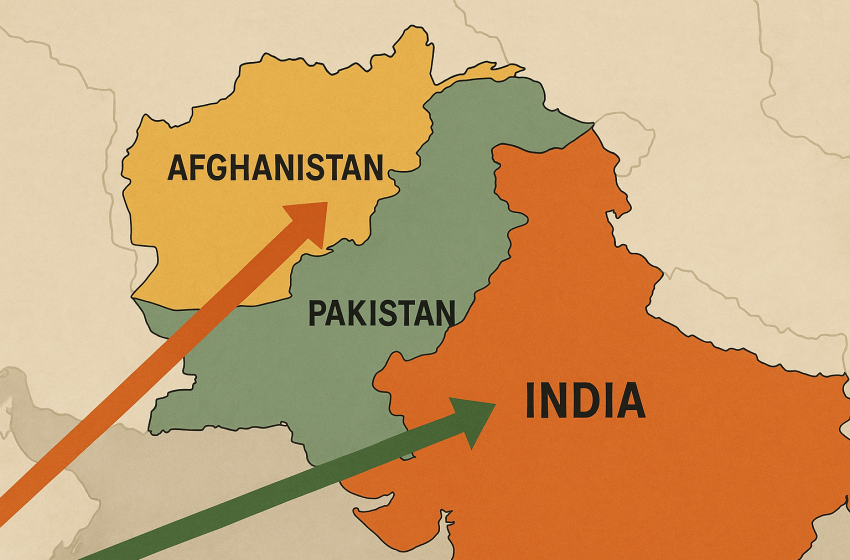
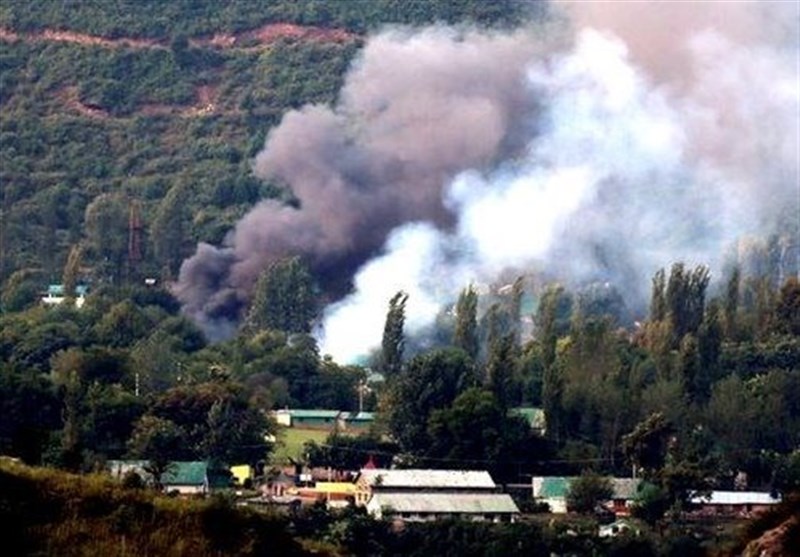
Each time tensions rise between the two countries, the first sector to suffer is trade and transit. Disputes over the Durand Line or military escalations have repeatedly led to the sudden closure of key border crossings and widespread disruptions in trade.
Despite recent increases in bilateral trade, the relationship has remained fragile since the Taliban’s takeover in 2021. The frequent and prolonged closures of key crossings such as Torkham, Chaman and Ghulam khan, what can be described as a “crisis state of trade” highlight the economic vulnerabilities shared by both nations.
This analysis examines the economic and humanitarian impacts of border shutdowns and focuses on four key areas: trade and transit flows, short-term and humanitarian consequences, root causes of the crisis and long-term risks and solutions.
The Unstable Path of Trade Between Kabul and Islamabad
Recent assessments show that bilateral trade between Afghanistan and Pakistan has grown over the past two years, with Afghan exports such as coal, fresh fruit, dried nuts and food items seeing significant increases. However, these gains remain highly vulnerable to political nd security developments.
Even short-term political tensions can halt hundreds of trucks and disrupt the transport of perishable goods. This is especially problematic for Afghanistan’s agricultural exports, which require swift delivery to maintain value and quality.
The Afghanistan-Pakistan Transit Trade Agreement (APTTA), as the backbone of regional transit, is facing structural challenges in practice. Inefficient customs procedures, bureaucratic hurdles and restrictions on the movement of goods have significantly undermined its effectiveness. These issues not only delay transit but also add financial burdens on traders and truck owners.
Meanwhile, major regional projects such as TAPI, CASA-1000, TAP-500, and possible expansion of CPEC hold the potential of transforming the region’s economy.However, continued instability along the Durand Line and political uncertainty on both sides slow progress and threaten to undermine these opportunities.
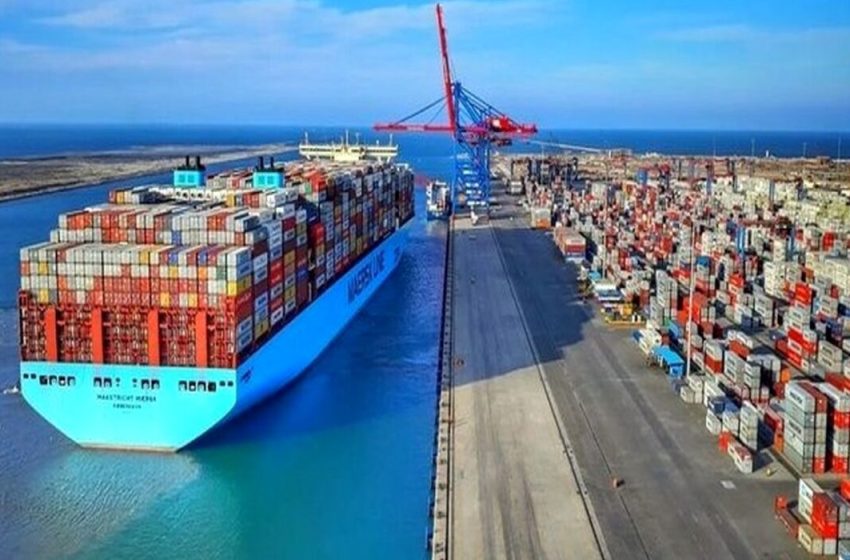
Frequent shutdowns of key border crossings leave thousands of trucks stranded, causing significant financial losses, soaring transportation costs and the spoilage of large volumes of perishable goods. Prices of food and basic goods surge in nearby provinces and major cities on both sides of the border, putting lowincome households under severe strain.
The human cost is equally serious. The shutdowns impact thousands of people daily, including patients seeking treatment, university students, workers, and individuals with urgent travel needs, creating what can be described as a “human mobility crisis”.A lack of shelter, limited access to healthcare and a rise in living expenses are some of the immediate consequences experienced during prolonged border blockades.
Roots of the Afghanistan-Pakistan Trade Crisis
The ongoing trade tensions stem from several interconnected issues:
1 – Armed group activity along the Durand Line and security disputes between the two countries have severely undermine mutual trust. In the absence of full oversight at key border crossings, authorities on both sides frequently resort to shut crossings as a precaution, disrupting legal trade and fueling informal and illegal cross-border markets.
2 – Poor coordination and transparency between Afghan and Pakistani government agencies have slowed the implementation of transit and customs agreements. The absence of clear legal frameworks and procedural increases risks for traders and reduces trust.
3 – Non-constructive tariffs, import-export restrictions, and excessive controls have diminished the efficiency of official trade routes. Often imposed to protect domestic markets or as political pressure tactics, these measures increase costs, reduce formal trade flows and drive some businesses toward unofficial alternatives.
4 – Frequent closures and restrictions push segments of trade into unofficial channels. This not only reduces state revenue from customs and taxes but also weakens market oversight and the expansion of the informal economy threatens long-term economic and security stability for both nations.
Long-Term Consequences for Both Countries
Decline in Afghanistan’s Role in Regional Transit: Afghanistan holds a key strategic position as a trade and transit hub between Central Asia, South Asia and beyond. However, repeated border closures risk pushing regional countries to seek alternative routes, such as through Tajikistan or Uzbekistan toward the Caspian Sea. This shift weakens Afghanistan’s position in regional transit networks, reducin both its geopolitical importance and vital transit revenues.
Rise of Informal Trade and Shadow Economy: When official trade routes are blocked or function inefficiently, traders often turn to unofficial and illegal alternatives. This leads to a decline in customs and tax revenues for the Afghan government, weakens the formal economy, and fosters the growth of a shadow economy.
Livelihood Loss and Rising Poverty Along the Durand Line: Frequent closures of key border crossings have a direct and devastating effect on the daily lives of local communities. Thousands of day laborers, small traders, and transport workers whose livelihoods depend on cross-border commerce, lose their income, pushing already vulnerable families into deeper poverty.
Delays in Major Energy Projects and Missed Regional Opportunities: Strategic infrastructure and energy initiatives like the TAPI gas pipeline (Turkmenistan–Afghanistan–Pakistan–India) and CASA-1000 (electricity transmission from Central Asia to Afghanistan and Pakistan) rely on secure movement of goods and equipments. Border disruptions cause significant delays in implementation, resulting in lost investment opportunities, haltd development and long-term economic setbacks. This not only slows Afghanistan’s progress but also undermines broader regional cooperation and integration.
Conclusion and Solutions
The repeated border closures underscore how deeply trade between Afghanistan and Pakistan is tied to political stability. These disruptions not only cause significant financial losses but also bring serious humanitarian and social consequences for communities. The economic and humanitarian consequences make clear the need for reliable mechanisms to manage crises and prevent trade from becoming hostage by political disputes.
Effective implementation of the Afghanistan–Pakistan Transit Trade Agreement (APTTA) and reducing unnecessary restrictions, would streamline legal trade flows.At the same time, strengthening bilateral security dialogues and separating trade from political tensions would help ease mistrust and foster long term economic cooperation.