Warming Kabul–New Delhi Ties; Economic Opportunity or Regional Rivalry?
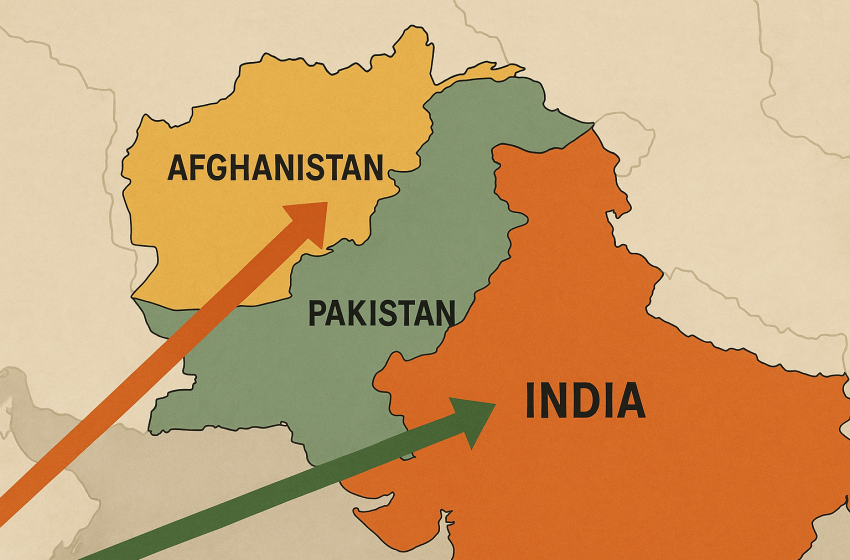
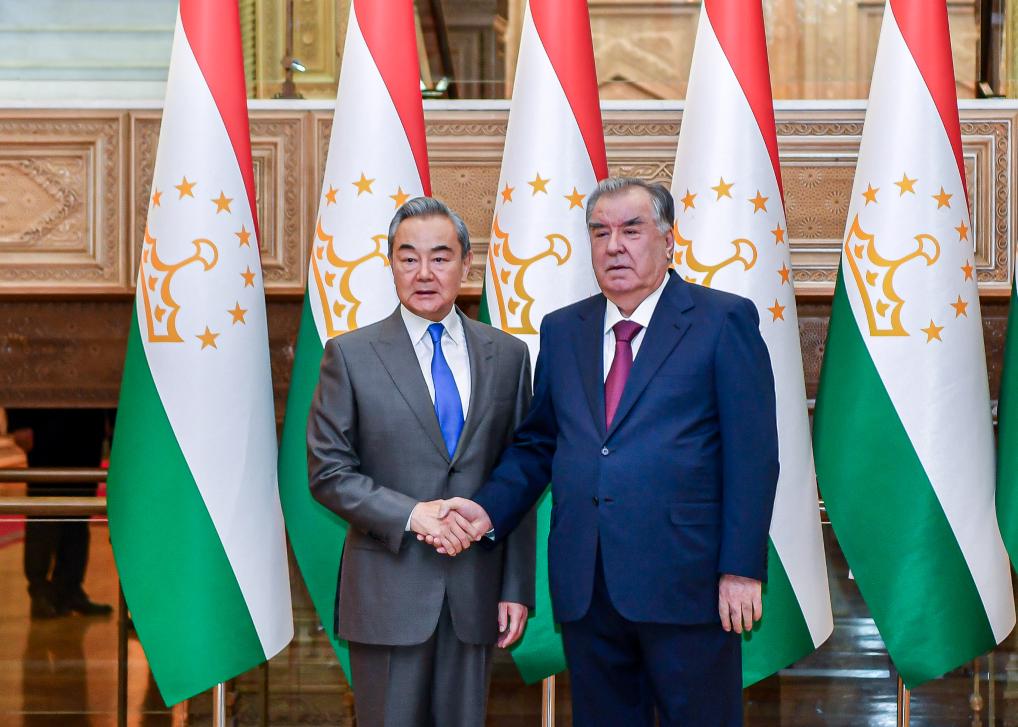
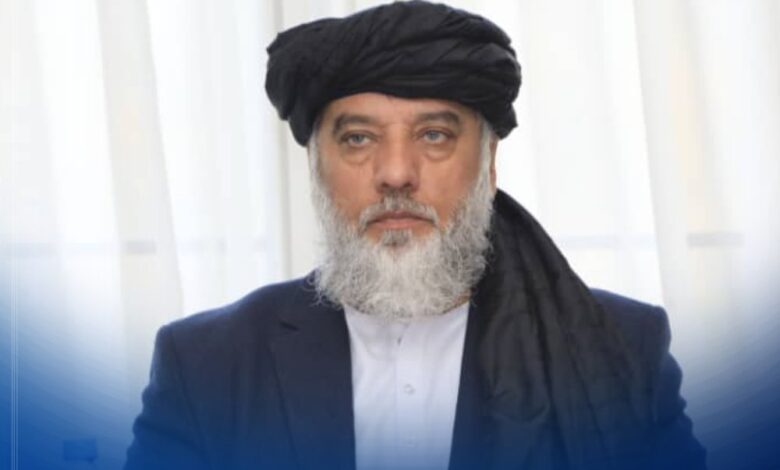
Tawazon – Relations between the Taliban and India have entered a new phase in 2024 and 2025. New Delhi has shifted from a cautious distance to a more practical and managed engagement with Kabul. High-level meetings, including the Taliban foreign minister’s visit to India and repeated trips by the Taliban minister of industry and commerce to discuss trade routes and economic projects, highlight this new approach. India’s decision to reopen its embassy in Kabul is also seen as an important step in redefining bilateral ties.
These developments come at a time when tensions between Kabul and Islamabad are rising. Frequent border closures and political disputes have complicated the regional landscape, making the growing Kabul–New Delhi engagement even more significant in security, economic and transit.
For Afghanistan, closer ties with India bring both opportunities and risks. It opens the door to more investment, new trade routes and a stronger regional role for Afghanistan. On the other hand, it may heighten Pakistan’s sensitivities, fuel regional rivalries and create new security complications.
Why Are the Taliban and India Moving Closer Now?
After years of keeping distance from the Taliban, India has adopted a pragmatic approach. New Delhi has realized that ignoring Afghanistan reduces its historical influence and leaves room for rivals like China and Pakistan. Research centers such as ORF and Carnegie report that India now seeks a soft presence, protection from security threats and role in Afghanistan’s future political landscape. Shifts in U.S. policy toward the region have also created space for India to step in.
For the Taliban, reaching out to India is driven by economic needs, Pakistan’s transit pressures, disputes over the Durand Line and the desire to diversify foreign relations. Taliban leaders see engagement with India as a political tool against Pakistan and reduce dependency on Islamabad.
Meanwhile, Iran’s role is also noteworthy. A stronger India–Taliban relationship could boost the Chabahar corridor, but Tehran has concerns about ethnic and sectarian issues that influence its level of trust toward the Taliban. Overall, overlapping interests among India, Pakistan, Iran, China, Russia and the U.S. have pushed Kabul and New Delhi closer together, a move that brings both opportunities and geopolitical sensitivities.
Current Situation and Economic Data
Trade figures published by both sides differ due to different data-collection systems, but it is clear that Afghanistan–India trade has grown in recent years. For the first time in two decades, Afghanistan exports to India have surpassed its imports.
The most significant growth comes from Afghan dried fruits and agricultural products, while India’s exports to Afghanistan have declined. Due to transit restrictions through Pakistan, the Chabahar port, sea routes nd intermediaries in the UAE have become more important. Much of the trade passes through Dubai and Gujarat, transactions often not fully reflected in official statistics.
Banking and money transfer challenges remain a major issue. With Afghanistan disconnected from global financial systems, trade with India is heavily dependent on informal channels.
Benefits for Afghanistan
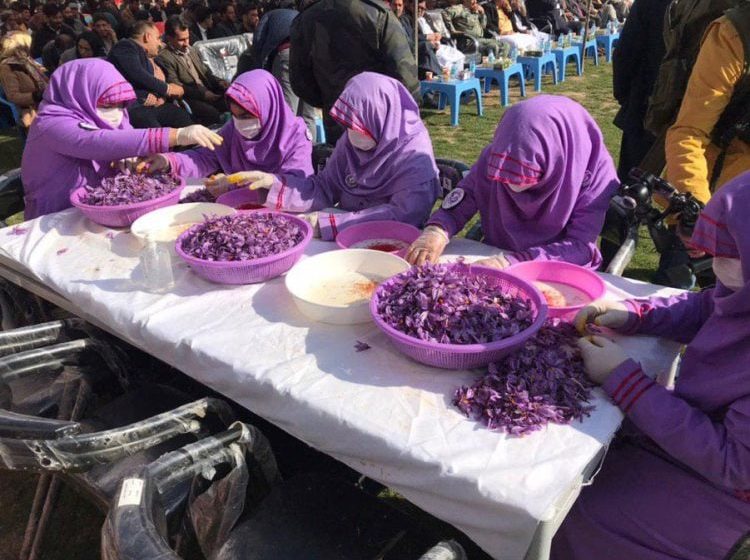
Closer engagement with India supports the rise of Afghan exports and provides new economic opportunities. India’s large market for saffron, dried fruits, almonds, and other agriculturl products is a major advantage.
Before 2021, India had invested around $3 billion in Afghanistan’s infrastructure, including the Salma Dam, the Afghan Parliament building and Zaranj–Delaram road. Renewed relations could revive part of this development cooperation.
Afghanistan’s mining sector, especially lithium, gemstones, copper and gold is now attracting India’s interest. New Delhi wants to reduce dependence on China for critical minerals and Afghanistan could become a potential alternative source.
Diplomatically, closer ties with India help the Taliban reduce political isolation and give them leverage in dealing with Pakistan. Pakistan’s strategic studies institutes have already warned that a strengthened Kabul–New Delhi axis could shift Pakistan’s security balance.
Risks and Geopolitical Concerns
Despite the economic opportunities, several geopolitics and security risks remain. Pakistan’s reaction is the most important. Islamabad may respond by increasing transit restrictions, limiting border movement or quietly supporting groups opposed to the Taliban.
Stronger India–Taliban ties may also intensify competition between India and China in Afghanistan, adding complexity to regional politics. Armed extremist groups hostile to India could increase their activities, creating new security pressures for the Taliban.
There are also divisions within the Taliban power structure regarding closer ties with India. The Kandahar faction sees the India relationship as an economic and political opportunity, while th Haqqani network and more ideological groups remain skeptical. If not managed well, these disagreements could weaken Afghanistan’s foreign policy and internal stability.
Despite political and cross-border tensions, cutting or reducing trade with Pakistan is not realistic for Afghanistan. Pakistan remains the closest, cheapest and most important transit route.Afghan agricultural exports, especially dried fruits, still rely heavily on Pakistani markets.
Possible Scenarios
A likely scenario is growing trade between Afghanistan and India, while Pakistan continues applying political and transit pressure. In a negative scenario, Afghanistan could again become a battleground for India–Pakistan rivalry. In the positive scenario, the Taliban manage balanced relations with all regional powers and use their competition to attract investment and expand trade routes and infrastructures.
Policy Recommendations
To benefit from these opportunities, the Taliban must increase transparency in economic agreements with India, revive the joint economic commission with Pakistan, and modernize custom procedures. Developing formal payment mechanisms with India and expanding transit routes through Iran and Central Asia are also essential.
Regional cooperation with India, Iran, Pakistan and other countries against cross-border militant groups is necessary, as lasting economic development depends on security and trust.
Conclusion
The warming ties between the Taliban and India are not just political gesture but also reflect real economic interaction. The Taliban can use this opportunity to boost exports, revive infrastructure projects, and benefit from regional competition for development and investment. However, if they fail to manage internal differences, create stable financial structures and understanding regional sensitivities, these ties could carry significant political and security costs for Afghanistan.
Afghanistan’s future foreign policy depends on the Taliban’s ability to manage economic interests, regional power balances and geopolitical risks.