WHO: Hospitals in Balkh and Samangan Facing Severe Shortages of Medicine and Staff
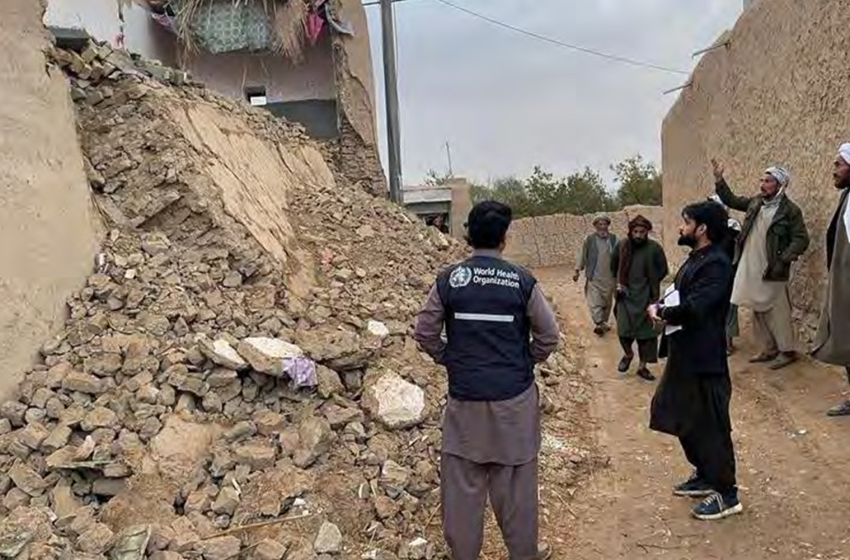
Tawazon – The World Health Organization (WHO) has reported that hospitals in Afghanistan’s northern provinces of Balkh and Samangan, the areas hardest hit by the recent earthquake, are struggling with critical shortages of medicine and medical personnel.
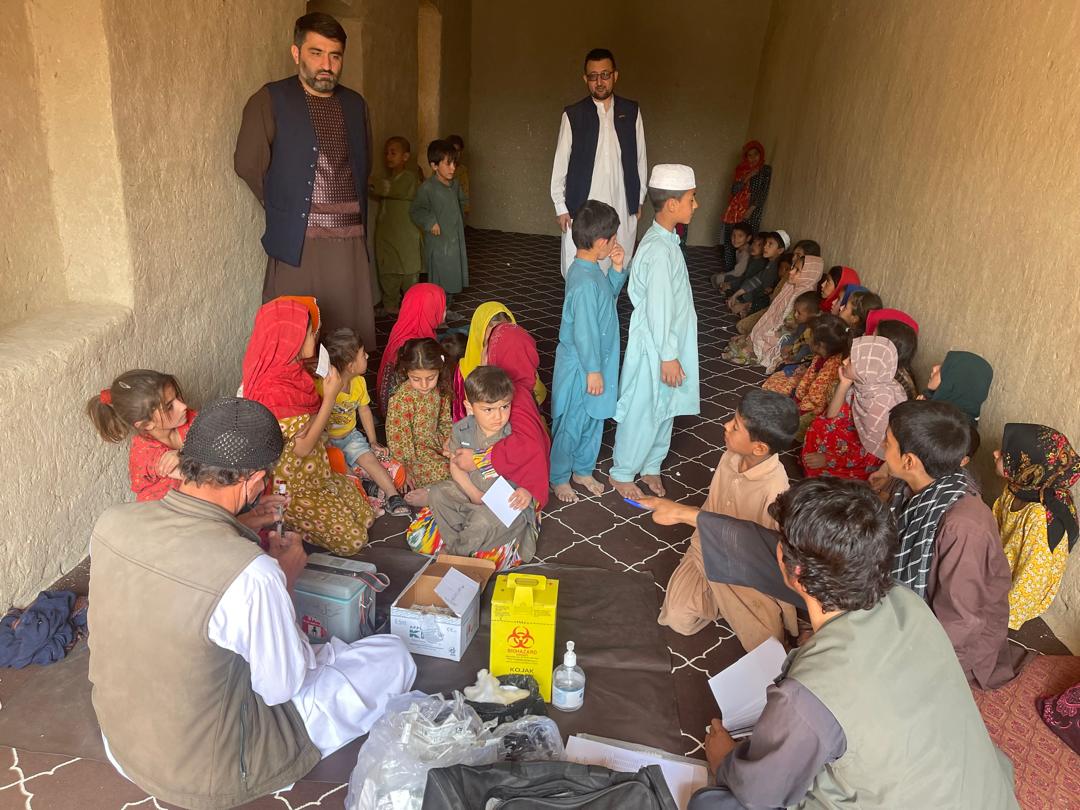
According to the WHO, its assessment teams have been deployed to both provinces to evaluate the damage and coordinate urgent health assistance. WHO and its partner organizations have mobilized emergency response teams to support rescue operations and deliver life-saving health services in affected areas
Large quantities of emergency medical supplies have been dispatched to strengthen the treatment capacity of local hospitals. The shipments include four emergency surgical kits capable of treating up to 200 patients, and one interagency emergency health kit sufficient for 10,000 people for three months. These supplies have been distributed to the Balkh Regional Hospital, Khulm District Hospital, and Samangan Provincial Hospital, expected to serve over 10,000 patients in total.
An additional five tons of medical supplies, including emergency surgical kits, interagency health kits, and pneumonia kits have also been sent from Kabul to Mazar-e-Sharif to replenish local stockpiles if needed.
Health workers, rescue teams, and humanitarian agencies remain active in the affected areas, continuing to provide emergency care, psychosocial support, and life-saving assistance. WHO is working closely with local health authorities to ensure that essential supplies reach the most affected communities on time. To strengthen coordination, WHO field staff have been assigned to directly support provincial health departments.
Twelve surveillance teams already based in northern Afghanistan are on standby to monitor and respond to any potential outbreak of infectious diseases in the earthquake-hit zones.
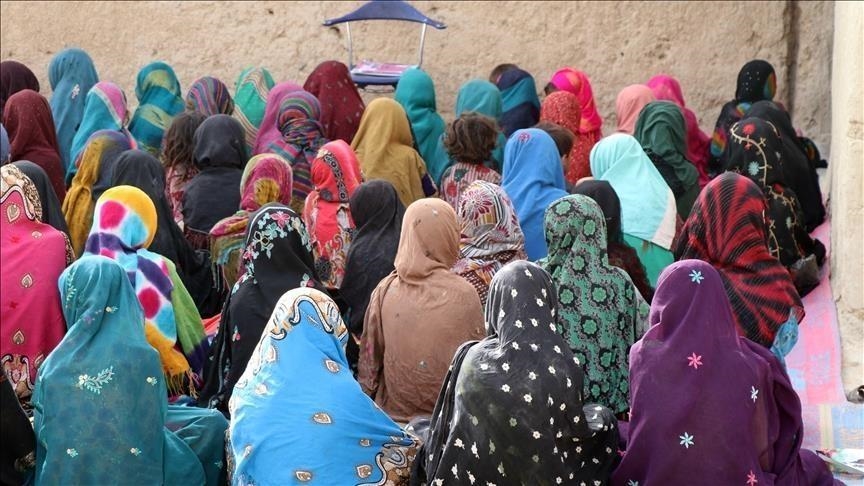
WHO’s latest report notes that the Khulm District Hospital is operating far beyond its capacity and is facing acute shortages of space, medical supplies, and staff. The organization warns that there is an urgent need to deploy more medical personnel, especially female health worker, and deliver essential medicines and equipment to hospitals in Balkh, Samangan and Khulm to keep services running. The shortage of female health staff, WHO added, is preventing many women and girls from safely accessing medical care or reporting their needs.
The organization emphasized that national and regional cooperation is crucial to treat the injured, support displaced families, and ensure continued access to physical and mental health for all affected populations. WHO expressed condolences to the families of victims and reaffirmed its commitment to work closely with Afghanistan’s Ministry of Public Health and provincial authorities for a rapid and effective response.
The 6.3-magnitude earthquake struck shortly after midnight on November 3 near the northern city of Mazar-e-Sharif, causing widespread destruction in Balkh and Samangan provinces.At least 26 people were killed and 1,172 others injured, while 1,319 houses were destroyed, most of them in Samangan’s districts of Aibak, Feroz Nakhchir and Khulm. Twenty one health facilities were damaged in total several of which now require immediate reconstruction.