Over 16 Million Afghan Children Protected Through Two-Phase Measles Vaccination Campaign
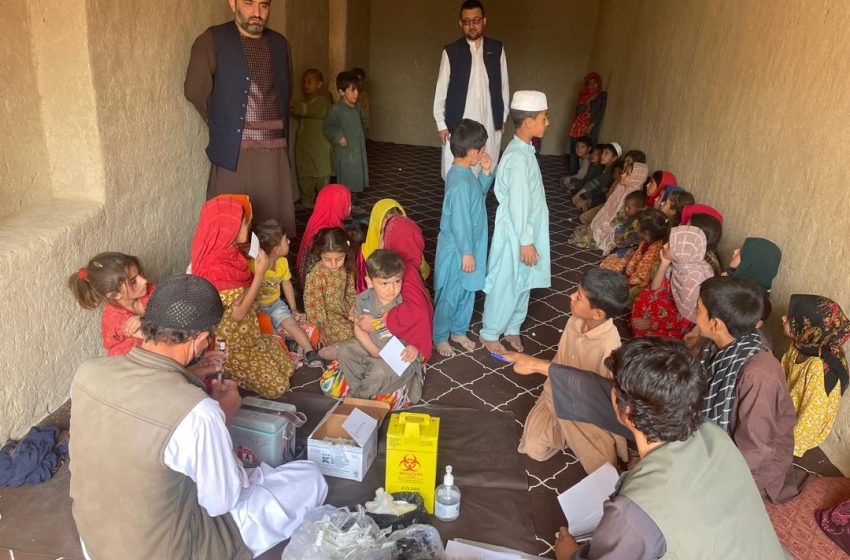
Tawazon – The World Health Organization (WHO) announced on Wednesday (19 November) the successful completion of the second phase of Afghanistan’s national measles vaccination campaign, which reached more than 8.35 million children across 17 provinces. The effort was carried out in partnership with UNICEF, Gavi, the Vaccine Alliance and National Expanded Programme on Immunization (NEPI) in Afghanistan.
The 10-day second phase, which started on 29 October, reached 91.7% of targeted children aged six months to 10 years. In addition, more than 3.95 million children in southern and southeastern provinces received a dose of the bivalent oral polio vaccine (bOPV).
The first phase of the campaign concluded earlier in October in cold-climate provinces, reaching more than 8.3 million children. Together, both phases have now protected over 16.6 million children against measles nationwide.
The campaign comes amid alarming data from the MICS-2023 survey, which shows that only 51% of Afghan children have received their first measles vaccine dose, and just 37% their second, leaving measles one of the most dangerous threats to Afghan children.
Dr. Edwin Salvador, WHO Representative in Afghanistan, praised the commitment of health workers and families, noting that reaching millions of children reflects a shared national effort to protect the youngest. However he stressed the need to reach “every child, even in the most remote areas.”
UNICEF Representative Dr. Tajudeen Oyewale also highlighted that such achievements are possible only when families, health workers and partner organizations work together toward a common goal.
WHO emphasized that the success of the two-phase campaign not only protects children from a deadly disease but also strengthens routin immunization systems, closes immunity gaps and moves Afghanistan closer to sustainable measles control.