World Food Day; Afghan Women and Children Face Hunger and Deepening Poverty
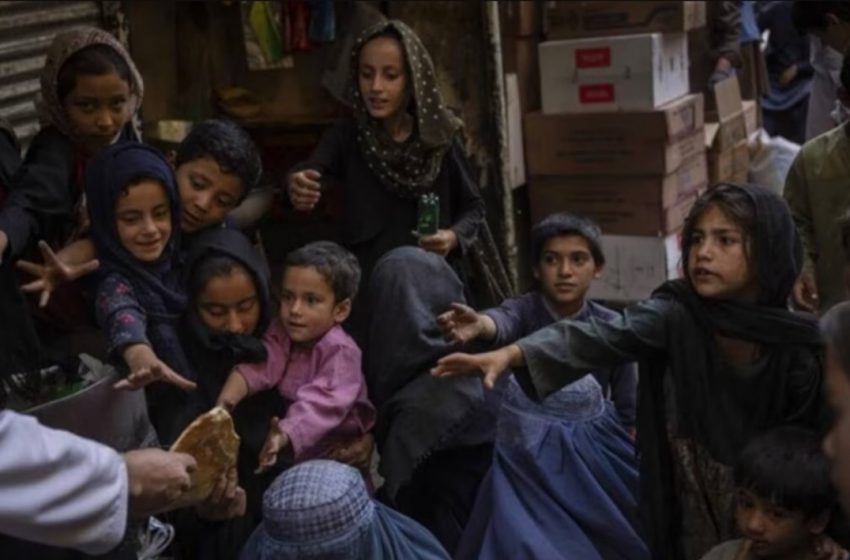
Tawazon- the world marks World Food Day today, October 16, millions of people across the globe continue to struggle with hunger and malnutrition. The day serves as a reminder of a fundamental rights of every human being to access to sufficient, safe, and nutritious food. Yet, in Afghanistan, food insecurity remains a severe and ongoing crisis,with women and children bearing the heaviest burden.
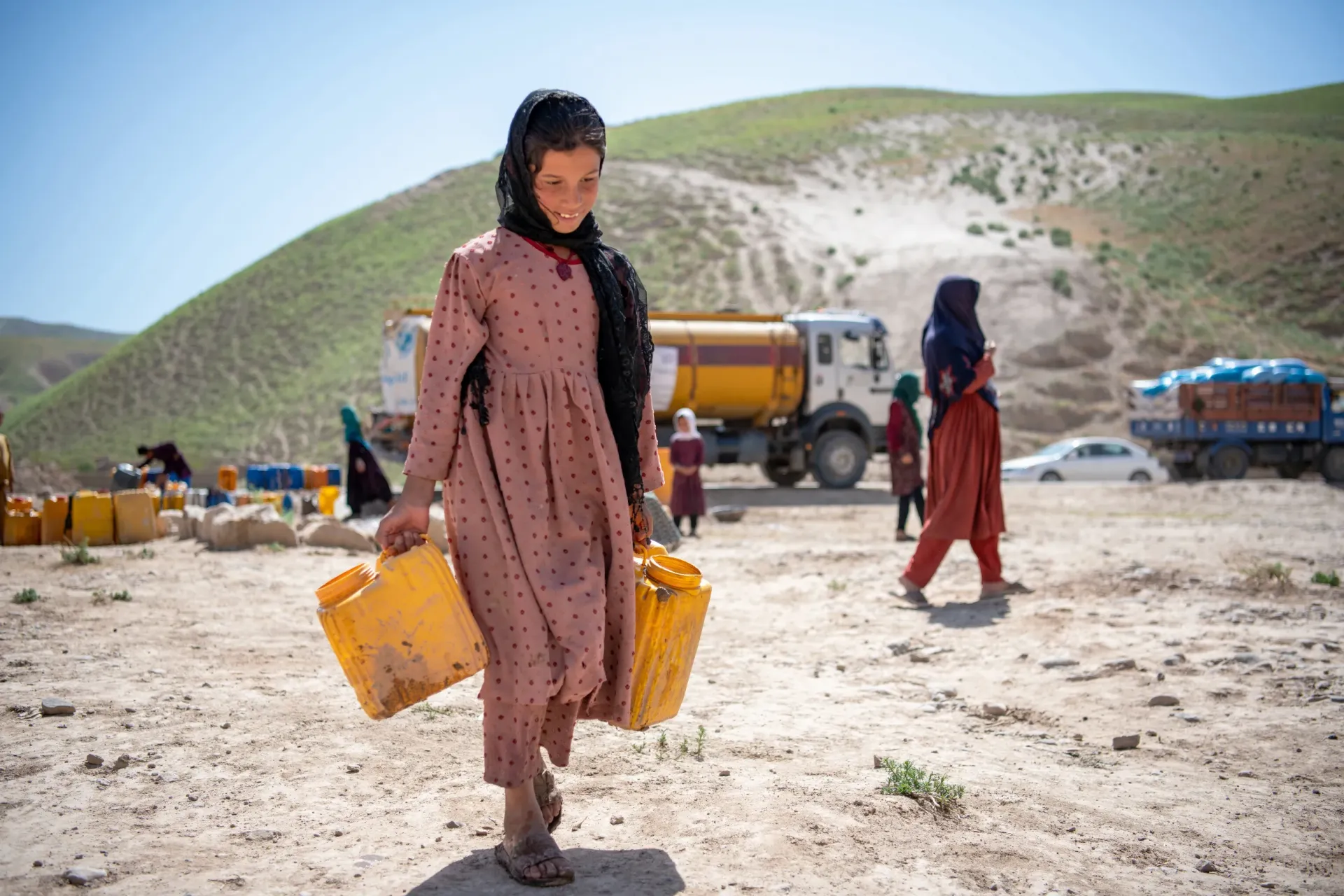
Despite international aid efforts, millions of Afghan families are struggling to survive amid economic collapse, extreme poverty, and recurring natural disasters. Food security is not merely a basic human need, it is directly linked to childrens health, physical development, cognitive growth, and the future of the nation. However, years of conflict, climate shocks, and economic isolation have pushed Afghan households to the brink. Persistent droughts, earthquakes, flash floods, and a sharp decline in agricultural production have further restricted peoples access to safe and nutritious food.
According to a new joint report by the UN Food and Agriculture Organization (FAO) and the World Food Programme (WFP), nearly 18 million Afghans are facing acute food insecurity. Among them, around 3 million children suffer from acute malnutrition, a life threatening condition that can cause long-term physical and mental damage if left untreated.
On a day meant to promote global solidarity, Afghanistan remains one of the worlds hungriest nations, with hunger turning from a temporary emergency into a long-term humanitarian tragedy.
Gul Makai, a mother of two in Kabul, describes her childrens nutrition as deeply worrying. She told Tawazon:My children are getting weaker day by day. I cannot provide them with enough healthy food. One of them is six years old but looks like a three year old because he is so weak, and my three year old looks like a child of one and a half. Health experts say families like Gul Makais lack access not only to food but to balanced nutrition, leaving children at high risk of stunted growth.
Saida, a mother of six who was pregnant in the past years, shared a similar struggle with hunger during pregnancy. I did not eat enough during my pregnancy, she told Tawazon. Doctors advised me to eat proper food like milk, meat nd fish, but I couldnt. My husband was poor, most days we didnt even have dry bread to fill our stomachs.
Samira, a mother of four from Mazar-e-Sharif, said her childrens health is deteriorating. My youngest son is always sick and doesnt have enough energy, she said. Before, the UN used to give us food, but now the aid has stopped. My child is getting weaker every day. He cries all day and has no appetite.
Another pregnant woman, who asked not to be named, said she fears for her unborn child: I stayed hungry many times during my pregnancy and could not eat enough. Now I am worried that my baby will also suffer from malnutrition because the doctor told me I must keep myself strong.
Doctors warn that balanced nutrition for pregnant women is essential both for their health and for the proper development of the fetus. Children also need regular access to nutritious food to support both physical and mental growth. Nutrition counselors emphasize that daily intake of proteins, vitamins and minerals is critical for brain development.
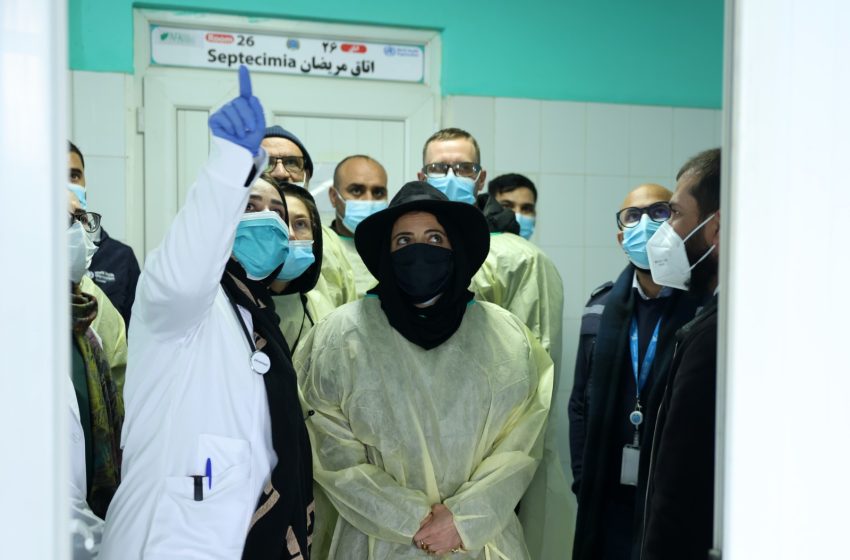
Dr. Rasheed Mansoor, a pediatric specialist in Kabul, said: Malnutrition in Afghanistan is a crisis. Children and pregnant women are in serious danger, and their physical and mental growth is being threatened. Eighty percent of the children who come here suffer from acute malnutrition. Their weight is extremely low, and because of poverty, families simply cannot afford to buy healthy food.
According to a UNICEF report, following the suspension of U.S. aid, nearly 3 million Afghan children are now suffering from severe acute malnutrition, while millions more are at risk. Ongoing droughts, earthquakes and floods have worsened the crisis, especially in rural areas.
Possible Solutions to reduce the impact of the crisis are, emergency food distribution to vulnerable families, establishment of nutrition centers for children and pregnant women rural and underserved areas, education programs for mothers on proper nutrition during and after pregnancy, long-term international support to build sustainable food systems, and development of drought-resistant agriculture.
This year, the World Food Programme marks World Food Day with the slogan: No Child Should Go Hungry. The organization says global cooperation and targeted support for vulnerable families are essential to ensuring a healthy future for the worlds children.
World Food Day serves as a reminder that access to sufficient, nutritious food is a basic human right. In Afghanistan, urgent action is needed to combat child malnutrition and protect pregnant women. Without coordinated support and long-term investment in food security, an entire generation is at risk.