UNICEF: Afghan Children Are Paying the Price for a Crisis They Didn’t Cause
Tawazon — As world leaders gather in Brazil for the 30th United Nations Climate Change Conference (COP30), UNICEF has warned about the severe impact of the climate crisis on Afghanistan’s children, among the most vulnerable in the world despite the country’s minimal contribution to global emissions.
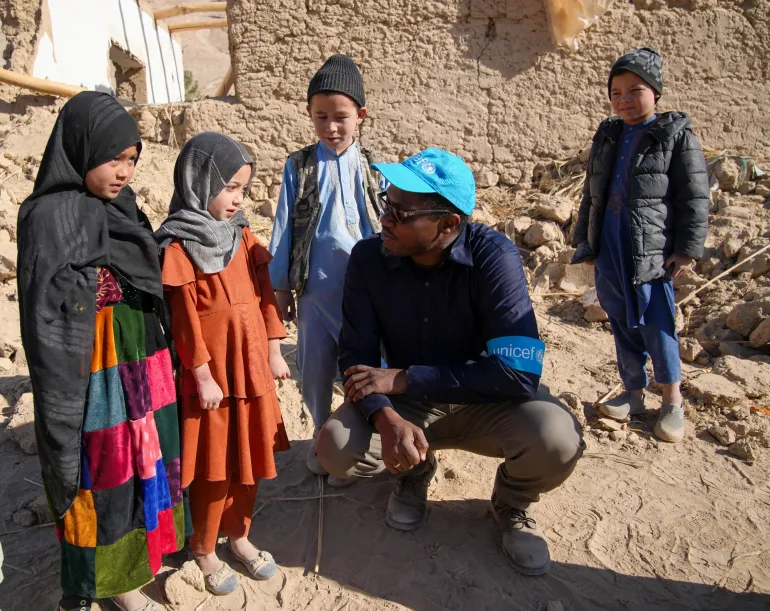
Tajudeen Oyewale, UNICEF Representative in Afghanistan, said that while Afghanistan contributes almost nothing to the global climate crisis, its children are suffering the worst consequences.
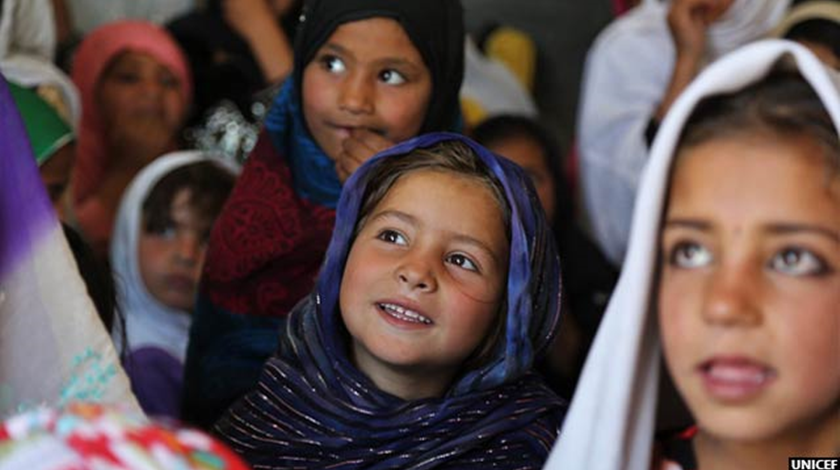
“Afghan children face drought, displacement, and disease from a crisis they didn’t cause,” Oyewale said. “This is a silent emergency and it’s claiming lives every day.”
Recent natural disasters, including powerful earthquakes in eastern and northern Afghanistan, have worsened the country’s fragile situation. Thousands of families have lost homes, livelihoods and access to clean water. “The destruction is visible in the collapsed houses, the makeshift tents bracing for winter and the worry etched on parents’ faces,” Oyewale noted.
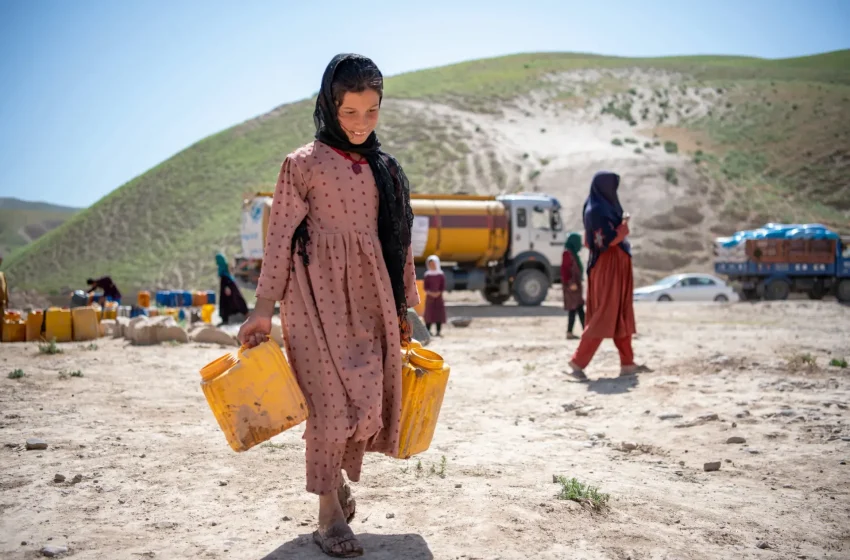
According to UNICEF, more than half of water points in drought-affected provinces have dried up, while eight out of ten Afghans are forced to drink contaminated water. The collapse of urban sanitation systems has led in waterborne diseases, particularly among children. Despite the worsening crisis, only 5 percent of the funding required for safe and climate resilient water and sanitation access in Afghanistan has been provided.
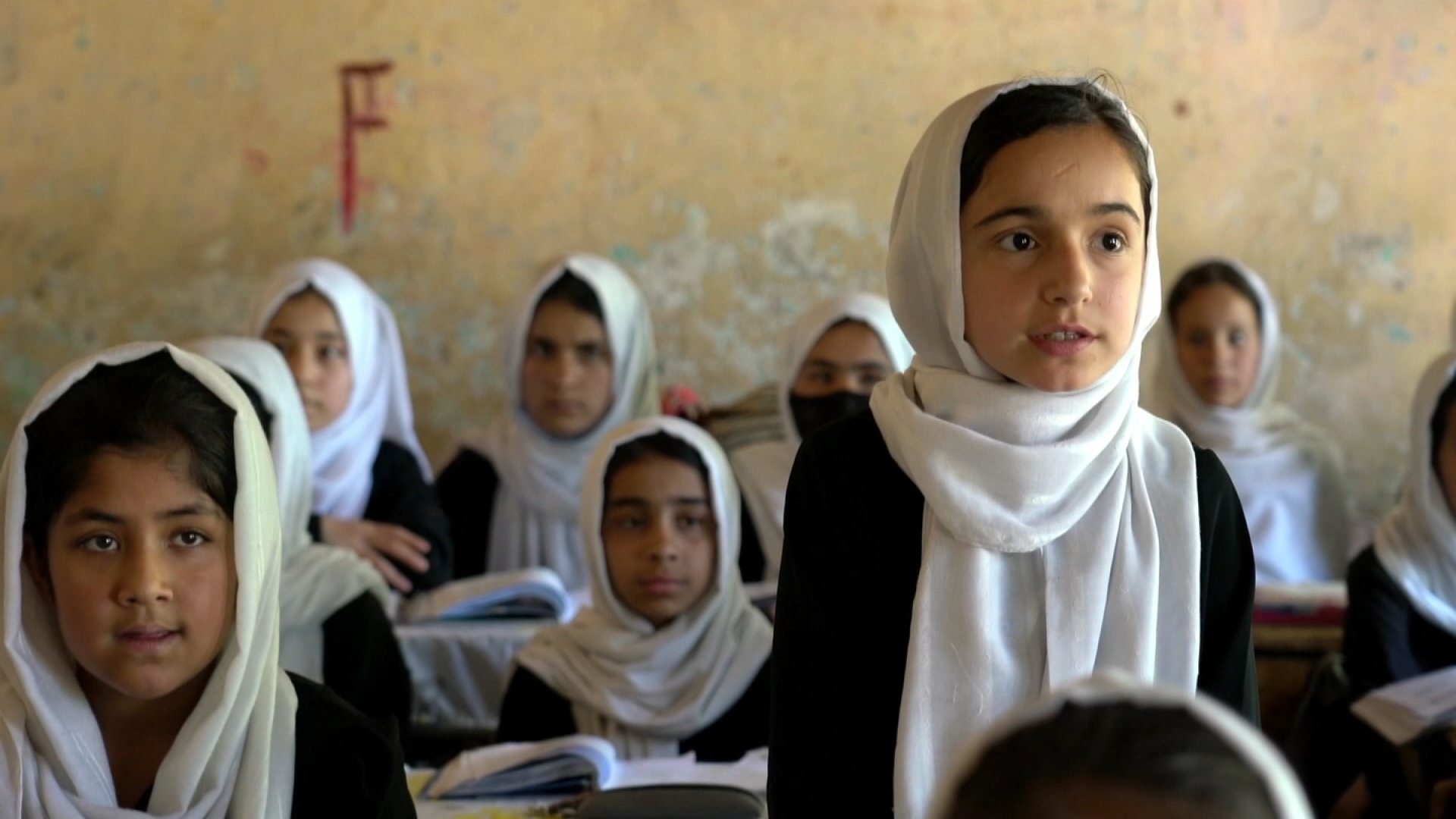
“Climate change in Afghanistan is not an abstract debate, it’s a lived reality,” Oyewale warned. “We are seeing children lose their health, education, and their future to a crisis they did not create.”
Despite limited funding, UNICEF and its partners continue to deliver emergency assistance, repairing damaged water systems, providing nutrition supplies, building latrines, and supporting families displaced by recent disasters. The organization is also investing in long-term climate resilience, including th installation of solar-powered water pumps in Logar and Paktia, a Managed Aquifer Recharge system in Jalalabad, and advanced water mapping projects in Kabul.
“These are not temporary fixes, they are lifelines,” Oyewale said. “But scaling them needs something that humanitarian actors in Afghanistan currently don’t have; urgent flexible funding that allows us to both respond to the immediate climate emergency and plan for the future.”
Oyewale concluded with a call to world leaders attending COP30: “As world leaders take the stage in Brazil, I ask them to remember the countries not present in the negotiation halls. Remember the children who walk for water with empty containers. The mothers who boil what should not be drunk.The parents who bury children whose deaths could have been prevented. They did not cause this crisis. Yet they are enduring its worst consequences”.