One Man Survives as 241 Die in Air India Jet Crash Near Ahmedabad
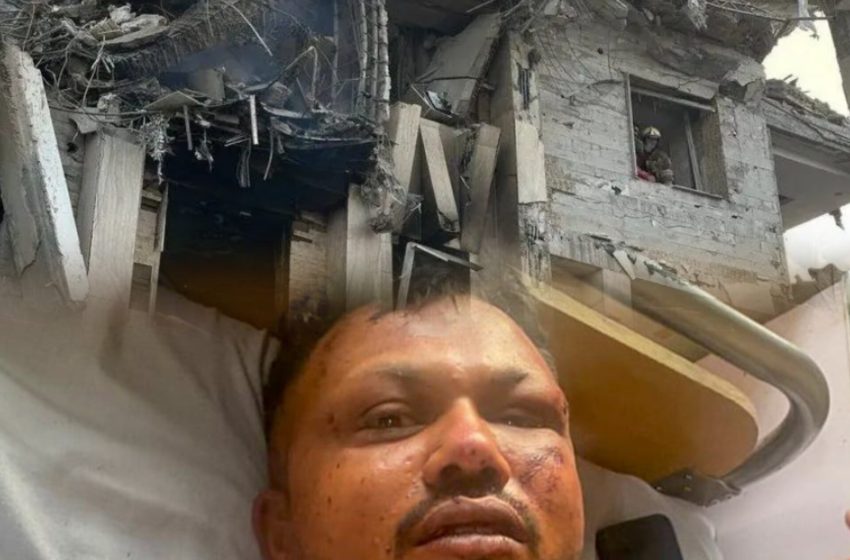
Tawazon– On June 12, Air India Flight AI171, a Boeing 787-8 Dreamliner, took off from Ahmedabad Airport at approximately 1:30 PM, en route to London. Within just 30 seconds of takeoff, the aircraft crashed into the student dormitory building of a nearby medical university, resulting in one of the deadliest air disasters in India’s recent history.
The aircraft was carrying 242 individuals—230 passengers and 12 crew members. According to official sources, 241 people lost their lives in the crash, with only one survivor.
Additionally, at least 28 individuals were killed and around 60 injured in the dormitory building due to the crash. Most of the casualties were medical students and university staff members.
The sole survivor, 40-year-old Vishwas Kumar Ramesh, is a British national. He was seated in seat 11A, adjacent to the emergency exit. According to Ramesh, shortly after takeoff, he heard unusual sounds from the aircraft’s right wing, followed by a loud explosion. As the aircraft went down, he managed to use the broken emergency exit door to escape despite sustaining burn injuries. He made it to a safe location and is currently under medical treatment. Doctors have confirmed that his condition is stable.
Following the tragedy, Indian Prime Minister Narendra Modi visited the crash site and called the incident “heartbreaking beyond words.”
Home Minister Amit Shah has ordered immediate DNA testing to identify the victims, as many bodies are severely burned and unrecognizable.
India’s Directorate General of Civil Aviation (DGCA) has confirmed that both black boxes—the flight data recorder and the cockpit voice recorder—have been recovered. Investigations are underway to determine the root cause of the crash. Technical teams from the United Kingdom and the United States have been called in to assist. The incident is expected to prompt a comprehensive review of Boeing 787 Dreamliner operations by Air India and other Indian carriers.
This is the deadliest accident involving a Boeing 787 Dreamliner since the aircraft began commercial service in 2011, and the most fatal aviation disaster in India in nearly 30 years.
As investigations continue, families of the victims are grappling with immense grief. While the government has pledged both financial and psychological support for the bereaved, public confidence hinges on a transparent and thorough explanation of what caused the tragedy—whether it was a technical failure, human error, or another factor.