Hamed Obaidi in Antalya: Taliban Silencing Afghan Media through Censorship and Intimidation
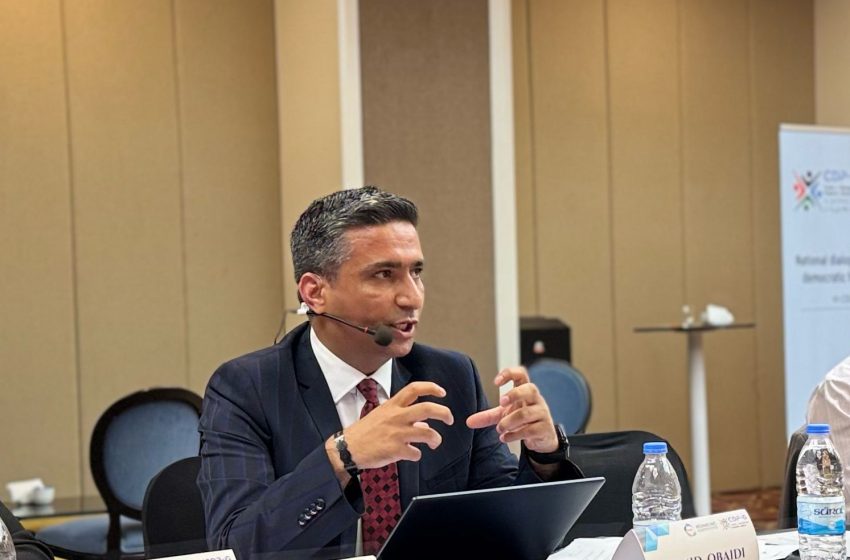
The fourth round of the Antalya Intra-Afghan Dialogue began in Antalya, Turkey, bringing together Afghan civil society activists, exiled journalists, political representatives, and international stakeholders to discuss the country’s ongoing challenges. The dialogue, a regional initiative backed by international institutions, aims to facilitate inclusive Afghan-led conversations with a focus on legitimacy, basic freedoms, and the political future of Afghanistan.
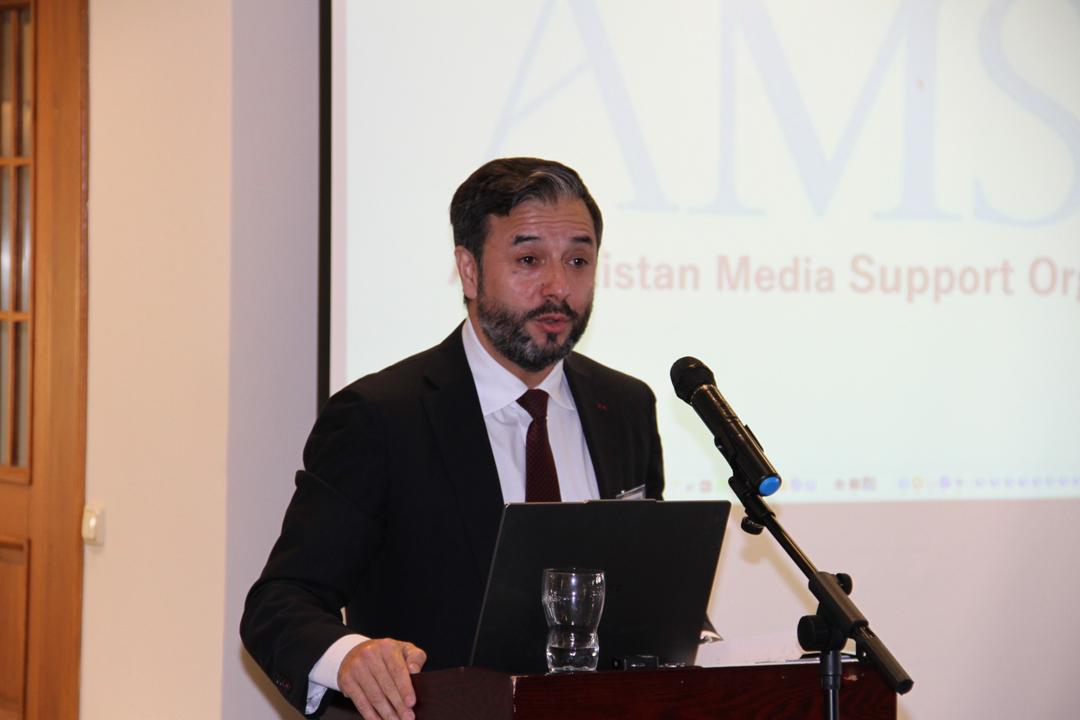
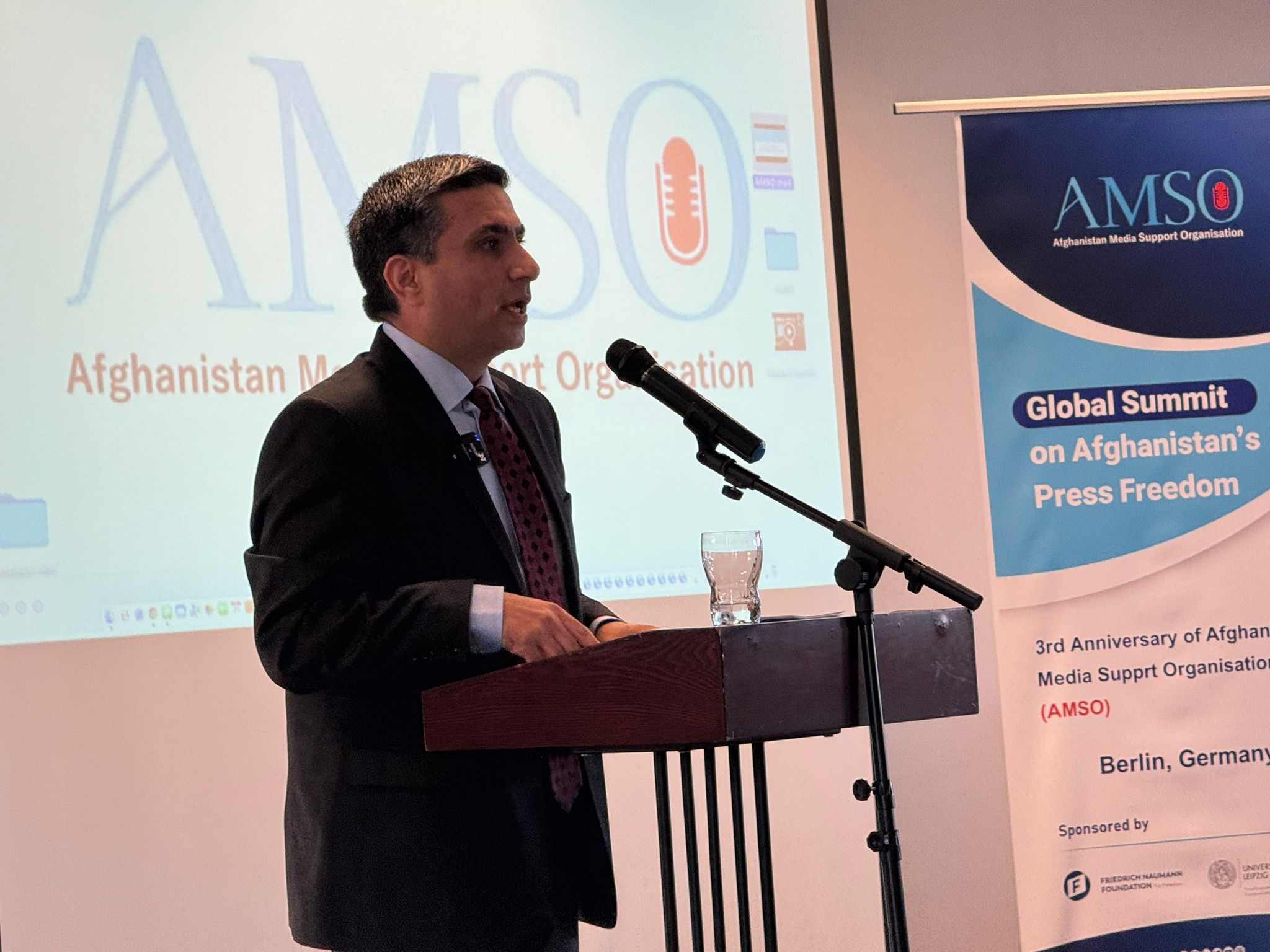
Among the most critical voices on the second day of the conference was Hamed Obaidi, head of the Afghan Journalists Support Organization (AJSO), who delivered a powerful address on the deteriorating state of media under Taliban rule. Obaidi sharply criticized the Taliban’s narrative regarding press freedom, calling it entirely disconnected from reality. According to him, Afghanistan’s media landscape today is marked by intense censorship, intimidation, and repression.
He noted that there are no longer any independent or critical media outlets operating within the country. Journalists, he said, are subjected to daily harassment by entities such as the Taliban intelligence agency and the Ministry for the Promotion of Virtue and Prevention of Vice. Many reporters have faced imprisonment, physical violence, and threats, with some even forced to sign pledges not to report critically about the Taliban.
Obaidi also highlighted the rigid red lines imposed by the Taliban, stating that journalists are compelled to follow the official government narrative. He asserted that Afghanistan’s professional generation of journalists, trained in ethical and independent reporting, cannot function in such a repressive environment. As a result, many independent media outlets have shut down, and a large number of experienced journalists have been forced to leave the profession in order to survive economically.
He further warned that the Taliban are attempting to normalize the country’s situation by producing stage-managed reports and using social media influencers to present a misleading image of public satisfaction. According to Obaidi, this is a deliberate effort to conceal the harsh realities on the ground and manipulate international perception.
Obaidi’s remarks resonated deeply with participants and served as a stark reminder of the shrinking space for freedom of expression in Afghanistan. The Antalya Dialogue has thus provided a crucial platform for silenced voices to re-emerge on the global stage, calling on the international community to remain vigilant and responsive to the plight of Afghan media and civil society.