The Situation of Women in Afghanistan: Maternal Mortality Rate Has Doubled
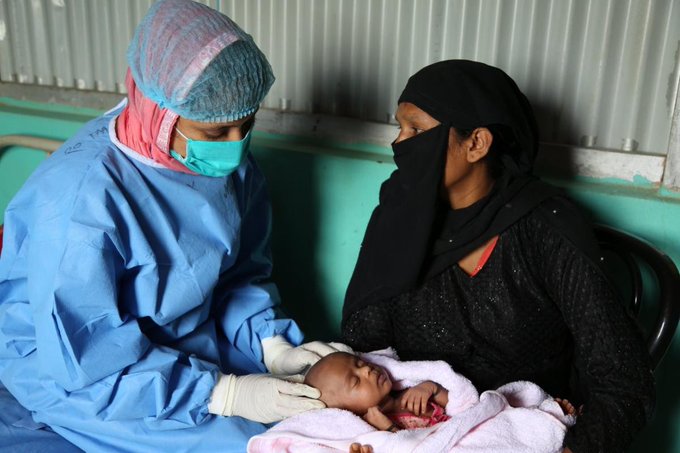
As the series of restrictions and bans on women in Afghanistan continues—most recently the closure of paramedical education for girls and women—the Afghan Gynecologists Association has expressed concern that maternal mortality during childbirth has doubled compared to previous levels.
Although the association has not shared exact figures on maternal and child mortality, it says that most maternal deaths occur in the provinces, remote districts, and villages. The president of the Afghan Gynecologists Association, Najm-ul-Sama Shafajo, states that the shortage of specialized doctors and midwives in hospitals, the absence of public awareness programs for mothers, the reduction of international aid, and childbirths by traditional midwives in remote areas are significant factors contributing to the high maternal and child mortality rates.
According to her, Afghanistan still ranks first in Asia for high maternal and child mortality rates. Najm-ul-Sama Shafajo adds, “Afghanistan’s healthcare situation is dire, particularly regarding maternal and child mortality during childbirth or due to health complications before or after delivery. UNICEF and the World Health Organization have also confirmed this. The current state of hospitals is alarming; the number of patients has increased, but is a shortage of medicines and medical supplies. If five doctors previously served twenty patients, now only one doctor does.”
At the same time, another member of the Afghan Gynecologists Association, Dr. Sunita Bahram, states that maternal and child mortality rates are higher in the provinces compared to the capital, Kabul. Referring to the bans imposed by the Taliban on newly graduated doctors and midwives, she said, “We are experiencing significant losses in maternal and child health in the provinces due to a shortage of healthcare workers, and one reason for the decrease in healthcare workers is the bans imposed on newly graduated doctors and even midwives in the field of gynecology and obstetrics.”
Although, female nurses and midwives currently are working in some government and private hospitals and clinics, there is growing concern that these hospitals and clinics will also soon face a shortage or even a complete lack of nurses and midwives in the future, as girls are not allowed to take the entrance exams for healthcare programs.
According to Sunita Bahram, the number of gynecologists, nurses, and midwives in Afghanistan has declined compared to the past. She urges the Taliban to reopen universities for Afghan girls, emphasizing that this would help increase the number of specialized doctors and midwives in the healthcare sector, along with professionals in other fields
The Afghan Gynecologists Association also calls on international aid organizations not to politicize the poor economic and health conditions of Afghans, especially women, and to continue providing health assistance as before. The association further emphasizes the importance of collaboration and support between the government and the private sector in the healthcare sector.
According to the association’s data, Kandahar, Helmand, and Uruzgan are the provinces with the highest maternal mortality rates compared to other provinces in Afghanistan. The United Nations Population Fund (UNFPA) has also expressed concern about the situation of women and mothers in Afghanistan, stating that the limited access to healthcare services has led to increased illness and mortality rates among mothers.
In separate statements on its X page on Monday, November 18, 2024, the UNFPA also stated that pregnant women and those who have recently given birth are facing numerous risks and hardships due to the ongoing crisis in the country. The UNFPA added that the lack of emergency and standard services, the absence of healthcare professionals and nurses, and the lack of emergency care during pregnancy have left these women with physical and mental challenges.
Not only are pregnant women in Afghanistan at risk of death during childbirth, but many Afghan children also lose their lives before, during, or after birth due to maternal health issues, malnutrition, lack of access to healthcare services, and various challanges.
Wagma, a resident of Arghandab district in Kandahar province, says that pregnant women in this area seek help from local midwives during childbirth instead of going to hospitals. She says, “There are no clinics in our area, and men do not allow sick women to go to clinics for delivery. Midwives cannot replace trained specialists. As a result, many women and children lose their lives.”
Zalal Masoumi, a specialist in gynecological diseases at Abu Ali Sina Balkhi Regional Hospital in Mazar-e-Sharif, says that Afghanistan is a traditional society, and there are few female doctors, and births in healthcare facilities are also very low. She adds, “People have limited access to health services, forcing pregnant women to seek help from traditional and unqualified midwives. These midwives lack credibility and handle pregnant women unprofessionally. The situation has become even more dangerous as they now have access to certain labor-inducing medicines that we use in hospitals. However, they do not know how to administer these drugs properly. I have seen patients who were given excessive doses and arrived at the hospital in critical condition. I personally witnessed four women lose their lives due to this.”
In Afghanistan, not only are pregnant women at risk of death during childbirth, but many children also face the threat of death before, during, or after birth due to maternal health complications, malnutrition, lack of access to healthcare services, and several other challanges.
The United Nations Office for the Coordination of Humanitarian Affairs (OCHA) reports that Afghanistan has the highest maternal and child mortality rates in the world. According to an OCHA report published on its website in August 2024, 699 women die per 100,000 live births in Afghanistan.
The report highlights the severe shortage doctors and healthcare facilities in remote and rural areas of Afghanistan, along with he insufficient investment in the health sector, and the lack of financial resources. It states that currently, mothers and children have limited access to healthcare services.
At the same time, concerns are growing over the rising maternal and child mortality rates due to the shortage of specialized doctors, nurses, and midwives in Afghanistan. These concerns arise because the Taliban has not allowed girls to participate in specialty and exit exams in the fields of gynecology and midwifery for the past three years, effectively barring newly graduated female doctors and midwives from working in hospitals.
Doctors and international health organizations emphasize that preventing child marriages, ensuring timely vaccination for pregnant women, providing access to nutritious food and clean water, and educating people—especially women—about the dangers of frequent and high-risk pregnancies can significantly reduce maternal and child mortality rates. Additionally, training female doctors, nurses, and midwives at both government and private levels is crucial for improving Afghanistan’s healthcare system.