2025; Afghanistan’s Driest Year on Record
Tawazon – The United Nations Office for the Coordination of Humanitarian Affairs (OCHA) has warned that 2025 is set to be one of the driest and most challenging years in Afghanistan’s recent history.
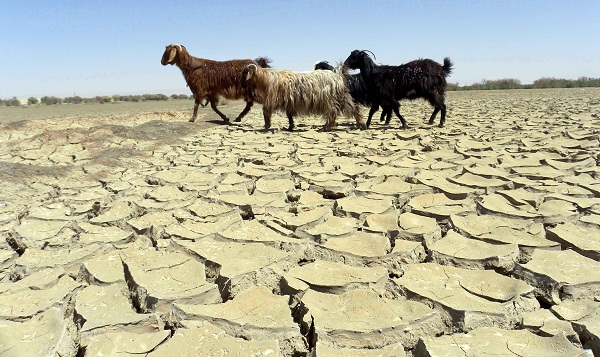
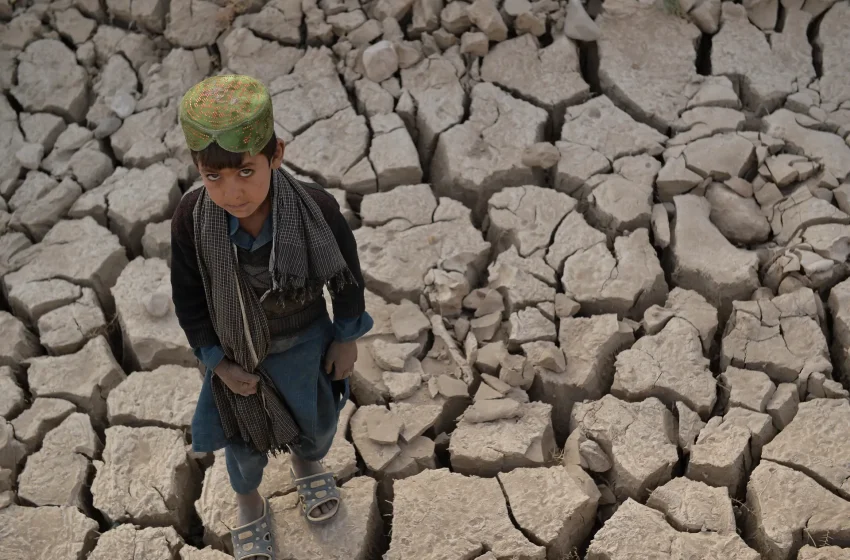
According to OCHA’s latest report, released on Tuesday, October 21, rainfall levels across the country this year have been significantly lower than the multi year average and are expected to continue through the end of the year. The agency says that five consecutive years of drought, widespread crop failures, declining water sources, and the loss of animal fodder have put the lives of millions of Afghan families at serious risk.
The report states that the current drought, in terms of both scale and severity, is comparable to the crisis of 2018, a year in which around 300,000 people were displaced from their homes and more than 3.6 million faced emergency levels of food insecurity.
OCHA also noted that alongside the drought, Afghanistan has faced several other crises in 2025, including a powerfl earthquake in Kunar province measuring over 6 on the Richter scale. It has been described as one of the most devastating natural disasters of the year, killing more than 2000 people and injuring over 3600.
According to the agency, nearly half of Afghanistan’s population now depends on humanitarian aid for survival. Women and girls are particularly vulnerable due to severe restrictions on education and employment, and for many, humanitarian assistance remains their only source of hope.
The agency also warned that the mass return of Afghan refugees from neighboring countries has placed unprecedented pressure on Afghanistan’s limited resources and fragile infrastructure. Meanwhile, widespread poverty, failing services, and worsening drought conditions have severely reduced the country’s capacity to absorb and support returnees.
In a separate assessment, the UN Assistance Mission in Afghanistan (UNAMA) reported that climate change and persistent droughts have cut agricultural yields by up to 50%. With agriculture serving as the primary source f livelihood for 80% of the population, the mission warned that if current situations continue, Afghanistan could face a complete rural economic collapse.
In recent years, Afghanistan has been recognized as one of the world’s most climate-vulnerable countries. Repeated droughts declining groundwater levels, deforestation, and economic instability have created a multi-layered crisis threatening the lives of millions.
Climate experts warn that without urgent measures to manage water resources, promote sustainable agriculture, and support rural communities, the long-term impacts of this crisis could severely undermine food security and social stability in the country for years to come.