UNICEF: Afghan Women Health Workers Are a Symbol of Strength and Service
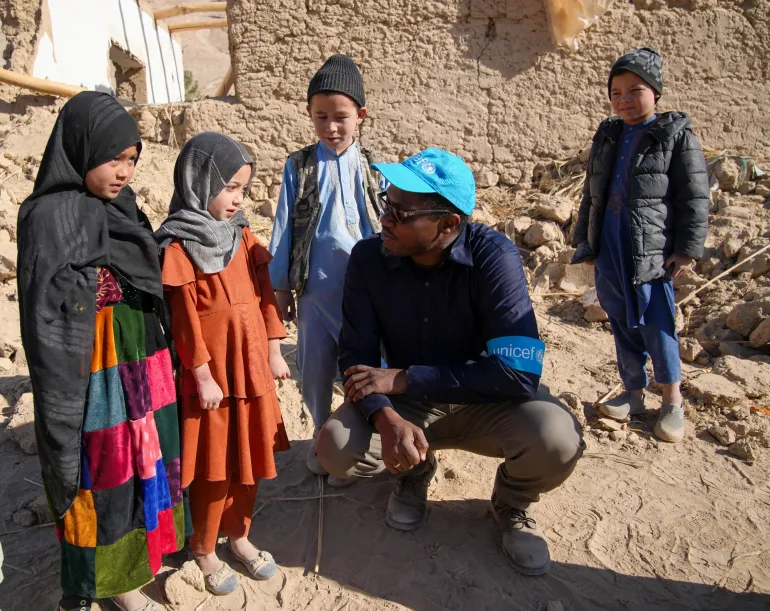
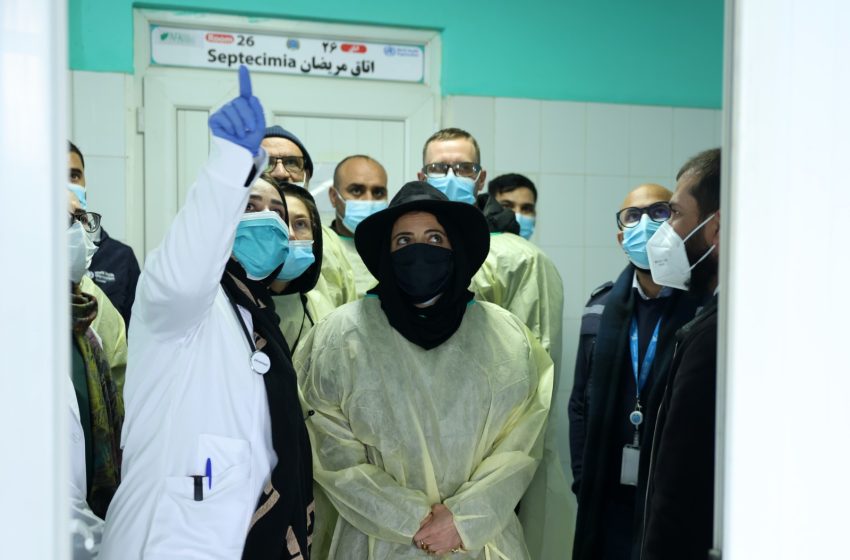
Tawazon – More than a month after the devastating earthquake in eastern Afghanistan, female health workers remain on the frontlines, providing vital care to displaced and injured families despite freezing weather, aftershocks, and limited resources, the UN Children’s Fund (UNICEF) said in a new report.
In the mountainous provinces of Kunar and Nangarhar, where villages cling to rocky hillsides, the quake destroyed thousands of homes and claimed over 2,000 lives. More than 3,600 people were injured, over half of them women and children.
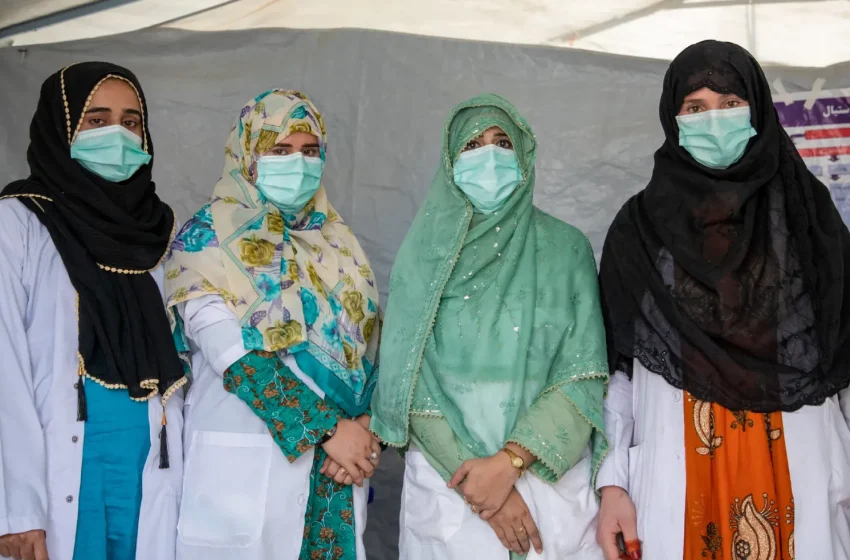
Amid the devastation, women health workers like Basmina, Brishna, Khadija and Adela stood at the frontlines of the response.
UNICEF highlighted Basmina, despite the personal risks, was determined to reach the Ghaziabad Basic Health Centre and serve as a nutrition counsellor, carrying her breastfeeding son with her. Her two older children stayed behind. Two days after the earthquake, with roads blocked, she walked more than three hours in the rain. When she arrived, the clinic building was half-collapsed, forcing her and her team to set up makeshift tents. They spent the first night in the rain without shelter but at sunrise, they began treating patients.
“When mothers brought their sick children, I forgot my own exhaustion, she said. “I knew they needed us.”
Another health worker, Brishna Habibi, a midwife from Sarkano district, now serves women and children in the “Khas Kunar” camp. She recalled the day a two month old baby was brought to her, the child’s mother and entire family had perished in the quake. “As I dressed his wounds, my hands trembled,” she said. “But that day, I promised myself to work even harder so that no child would be left without care.”
UNICEF noted that along with medical and nutrition services, psychosocial support programs are underway to help women and children cope with trauma and fear caused by the earthquake.
In another camp, Khadija a midwife from Kunar, was deployed to “Zari Baba” in Nurgal district just days after the quake.“There was nothing, no water, no food, no shade,” she said. “Only the cries of children and the screams of mothers.” Despite aftershocks and scorching heat, Khadija and her team worked tirelessly until aid began to arrive, bringing a sense of relief to the survivors.
Meanwhile, Adela, a vaccinator from Nangarhar, joined an emergency campaign in Chawkay district. Many families ad lost their vaccination cards in the destruction.“Each time I injected a vaccine into a child’s arm, I felt like a drop of hope was returning to life,” she said.
UNICEF says these women are just a few among dozens of female health workers serving in Kunar and Nangarhar with the support of partners including th World Bank, the Asian Development Bank, and the European Union’s humanitarian assistance.
Health teams are currently operating out of temporary tents, but efforts are underway to build a permanent, earthquake resistant health center to replace the damaged structures.
Despite immense challenges and the harsh winter ahead, UNICEF describes Afghanistan’s women health workers as symbols of endurance and service, women who bring healing and hope back to shattered communities.