UN Report: $2.7 Trillion Spent on Wars, Only 0.4% Goes to Women Peacebuilders
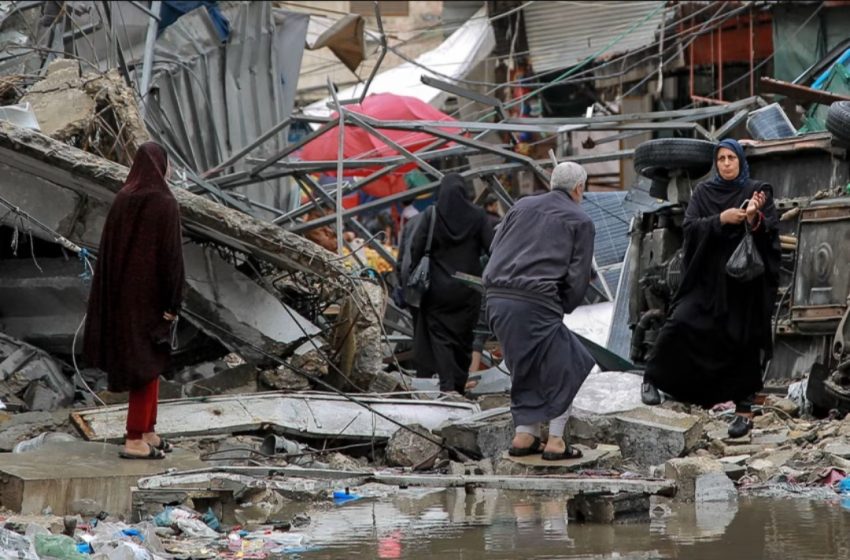
Tawazon – The UN Women agency has warned that the world is now facing the highest number of active conflicts since 1946, exposing women and girls to unprecedented levels of violence, insecurity, and displacement.
According to the 2025 Report of the UN Secretary General on Women, Peace and Security, over 676 million women currently live within 50 kilometers of conflict zones, the highest figure recorded since the 1990s. Civilian casualties among women and children have quadrupled over the past two years, while incidents of conflict-related sexual violence have risen by 87 percent.
The report was released on the 25th anniversary of UN Security Council Resolution 1325, which calls for women’s full participation and protection in peace and security processes.
Sima Bahous, UN Under Secretary General and Executive Director of UN Women, said: “Women and girls are being killed in record numbers, excluded from peace tables, and left defenseless amid growing wars. They do not need new promises, they need power, protection, and equal participation.”
Despite clear evidence that women’s participation leads to more sustainable peace, the report found that in 2024, women were absent from 90% of peace processes worldwide. They represented only 7 % of negotiators and 14% of mediators in global peace efforts.
The report also highlights a “dangerous imbalance” between military spending and investment in peacebuilding: “While global military expenditure exceeded $2.7 trillion in 2024, women’s organizations in conflict zones received only 0.4% of international aid.”
Many of these local women-led organizations, the report warns, are now at risk of closure due to severe funding shortages. Bahous added:“These numbers are not just statistics, they reveal a world that continues to invest in war rather than peace, sidelining women from shaping solutions.”
The report calls for a “gender data revolution”, emphasizing that without sex-disaggregated data, the realities of women in war zones remain invisible.
Report stated: “As world leaders mark 25 years since resolution 1325, this is an unmissable opportunity to fully enact, invest and recommit to the Women, Peace and Security agenda. Over the next five years, real change is possible.”
UN Women urges world leaders to take concrete steps, including inclusive political negotiations,greater participation of women in security reforms and post-war reconstruction and accountability for human rights violations, ensuring survivors have access to justice and reparations.