Pakistan Waives 10% Tariff on Select Afghan Goods to Boost Trade Ties
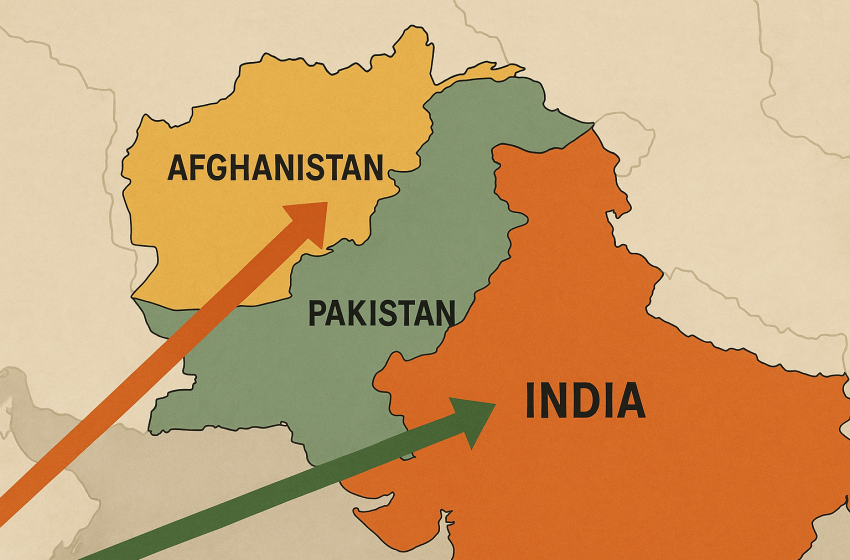
In a significant move aimed at enhancing bilateral trade, Pakistan has removed a 10% tariff on several selected Afghan export items. The initiative is seen as part of broader efforts to improve economic and trade relations with the Taliban-led administration in Afghanistan.
The Pakistan-Afghanistan Joint Chamber of Commerce and Industry (PAJCCI) recently announced that new reforms introduced by Pakistan’s Federal Board of Revenue (FBR) are expected to ease trade and transit between the two neighboring countries. These reforms aim to strengthen commercial ties and eliminate trade barriers, particularly in areas near the border, which have historically faced logistical and regulatory challenges.
According to PAJCCI, a key development is the removal of the 10% duty previously imposed on specific Afghan exports. This step is expected to improve Afghanistan’s trade competitiveness and facilitate smoother export flows to Pakistan. Officials say this move is part of a broader strategy to promote regional economic cooperation and connectivity among neighboring states.
Citing Pakistan’s central bank, local media outlet The Nation reported that during the first nine months of the 2024–2025 fiscal year, Pakistan’s exports to Afghanistan surged by 64.48% compared to the same period last year. Total exports reached approximately USD 623 million, up from USD 379 million in the previous year.
In contrast, Afghanistan exported goods worth only around USD 20 million to Pakistan during the same period. This stark difference highlights a 31-fold trade imbalance, underscoring the need for measures that could boost Afghan exports and promote more balanced trade relations.
Observers believe that tariff relaxation and trade facilitation measures will not only benefit Afghanistan’s struggling economy but also enhance Pakistan’s influence and connectivity in the region. The step is being interpreted as part of Islamabad’s broader strategy to stabilize cross-border economic engagement amid shifting regional dynamics.