UNODC: Afghanistan Sees Sharp Drop in Opium, but Meth Production on the Rise
Tawazon – The United Nations Office on Drugs and Crime (UNODC) has warned that transnational organized crime remains one of the most serious threats to global security, stability, and development. Marking the International Day Against Transnational Organized Crime, the agency released a new video highlighting that Afghanistan now faces a dramatic drop in opium production, but a worrying rise in methamphetamine manufacturing.
UNODC says that organized crime not only harms individuals and societies but also damages economics, environment and fuels poverty and conflict. Drug production and trafficking continue to be major sources of income for criminal networks, helping finance human trafficking, arms smuggling, migrant smuggling, corruption and terrorism.
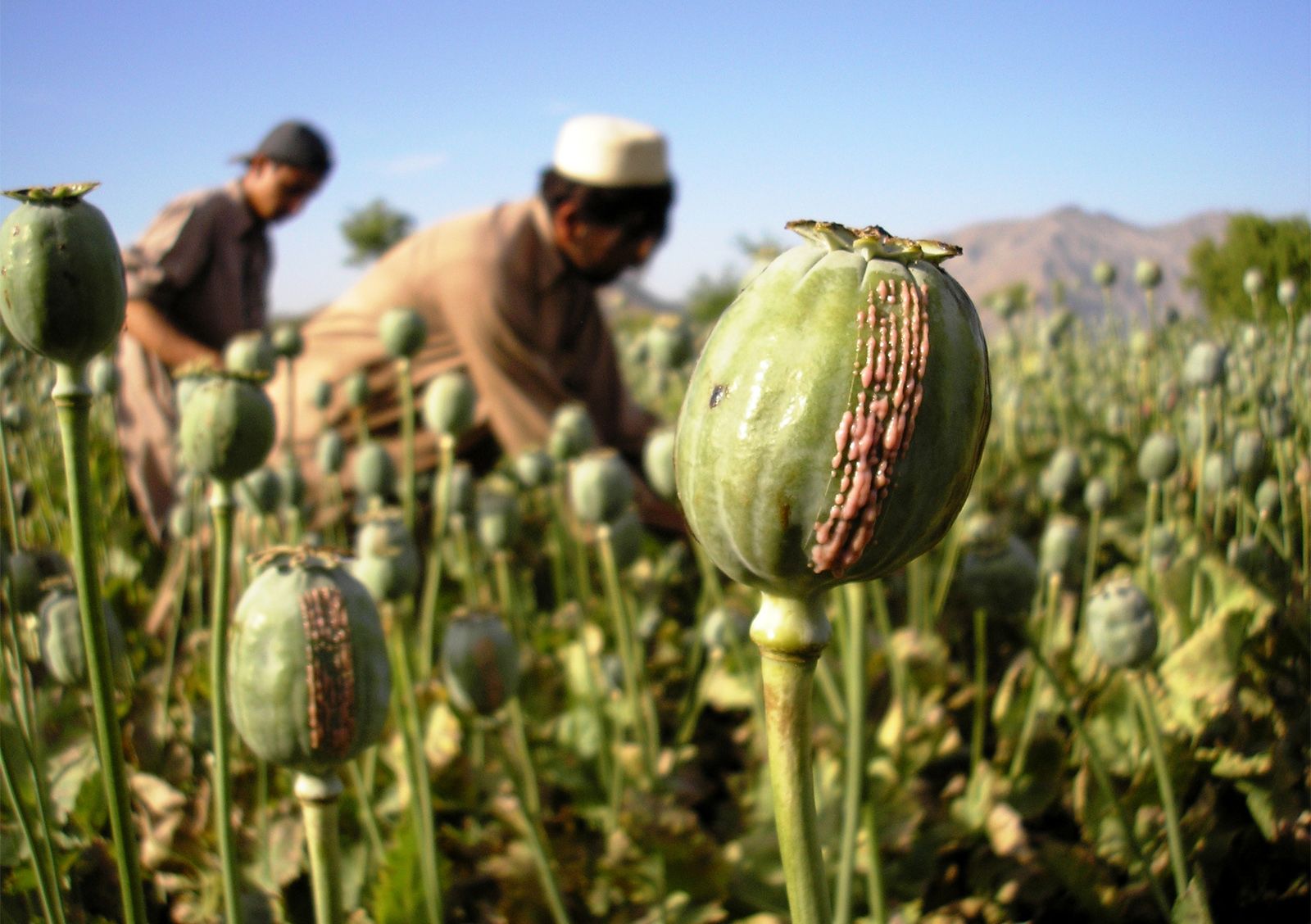
UNODC reports that after the enforcement of drug bans in Afghanistan, opium cultivation and production have dropped by 95%, a level the agency calls “unprecedented” and sustained for three consecutive years.
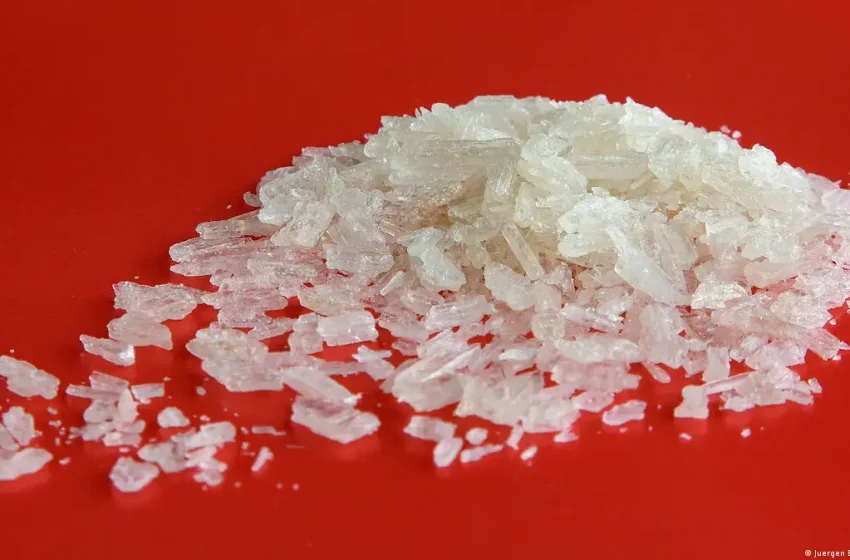
However, UNODC warns that trafficking of synthetic drugs like “methamphetamine” or “meth” is increasing in the region, indicating that criminal networks may be shifting to new sources of profit.
The agency stressed that modern organized crime is no longer defined solely by narcotics but by the evolving methods criminal groups use including laundering illegal funds, exploiting financial lopholes, infiltrating institutions and operating across borders with increasing sophistication.
UNODC emphasized that cross-border and regional cooperation is essential to fight organized crime effectively. Countries must focus on stopping illegal financial flows, including money laundering and terrorism financing. Integrating financial investigations into criminal cases and tracing illegal money across borders are key steps.
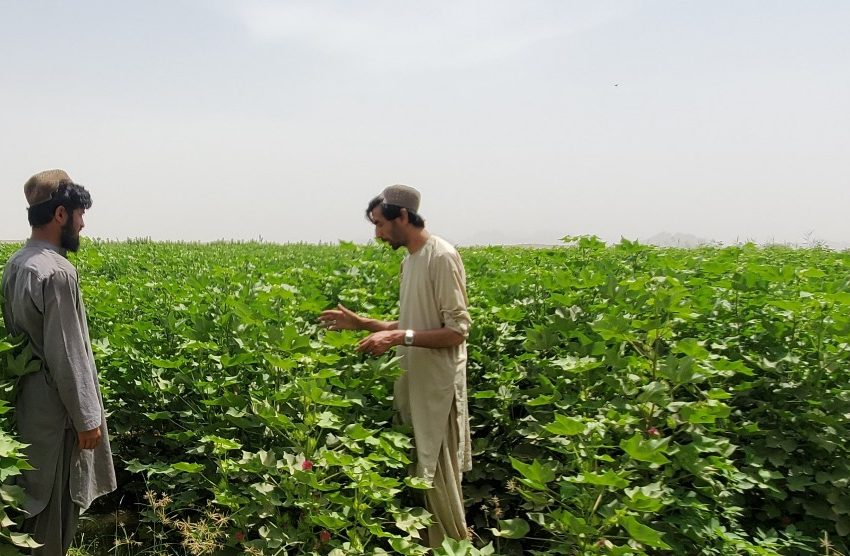
UNODC adds that law enforcement alone is not enough. The root causes of drug production, lack of jobs, poverty and dependence on poppy cultivation, must be addressed. Sustainable solutions, it said, include alternative livelihoods, job creation, market accessand broad socio-economic development, efforts that benefit both Afghanistan and neighboring countries.