United Nations: Afghanistan Remains at the Heart of Global Drug Trafficking
The United Nations Office on Drugs and Crime (UNODC) has warned that Afghanistan continues to play a central role in global drug trafficking. In a statement issued on August 25, UNODC said that decades of conflict, porous borders, and weak institutions have made the country a hub for narcotics and arms smuggling.
Despite a sharp decline in opium poppy cultivation in recent years, Afghanistan is now facing the rapid rise of synthetic drug production alongside a worsening humanitarian crisis. For decades, the country was the world’s largest producer of opium and heroin, with UNODC reporting that by 2022 more than 90 percent of the world’s heroin originated from Afghanistan.
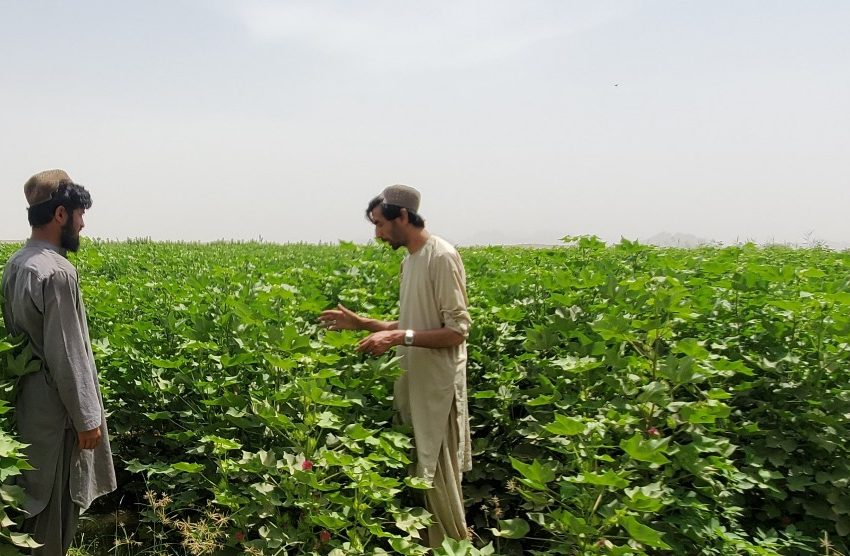
Following the Taliban’s ban on poppy cultivation in April 2022, the Afghanistan Opium Survey recorded an unprecedented reduction: cultivation fell from 233,000 hectares to just 10,800 hectares in 2023, a 95 percent drop. Production also collapsed from 6,200 tonnes to 333 tonnes, while farmers’ income shrank from USD 1.36 billion to only USD 110 million.
The economic impact on farming families has been severe, and recent figures suggest a rebound. In 2024, poppy cultivation rose by 19 percent to 12,800 hectares, while production grew nearly 30 percent to 433 tonnes. Even so, levels remain about 93 percent lower than in 2022.
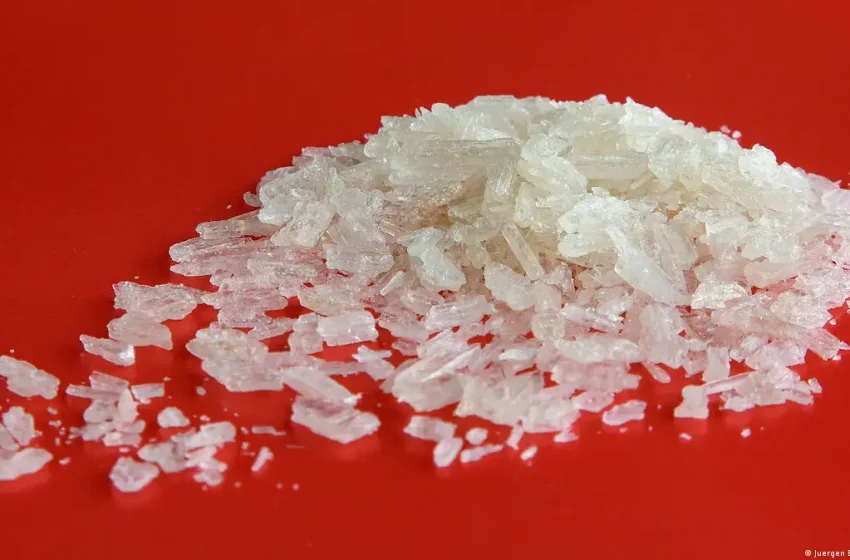
Traffickers have increasingly turned to synthetic drugs such as methamphetamine. Production jumped from less than 100 kilograms in 2019 to 2,700 kilograms in 2021, and by 2025 Afghanistan had become one of the world’s fastest-growing methamphetamine producers, according to a joint UNODC–UNDP report. The same report estimated that 27,000 Afghans are at high risk of drug addiction, including 2,670 women and more than 2,000 children under 15, most without access to treatment.
With opium prices soaring to around USD 750 per kilogram in 2025—a tenfold increase compared to pre-ban levels—UNODC estimates that stockpiles from earlier harvests may still account for 23 to 29 percent of Afghanistan’s informal economy.
UNODC stressed that preventing a resurgence in cultivation will require sustainable livelihood alternatives for farmers, stronger education and treatment programs, tighter border controls, and consistent international support for Afghan institutions.