IOM: Over Three Million Displaced in Afghanistan Due to Climate Crisis in the Last Three Years
Kabul, February 28 – More than three million people have been displaced in Afghanistan due to climate-related disasters between 2021 and 2024, according to a report released by the International Organization for Migration (IOM) on 27 February. The report highlights that extreme weather events, including heavy rains, floods, and other natural disasters, have significantly worsened the humanitarian crisis in the country.
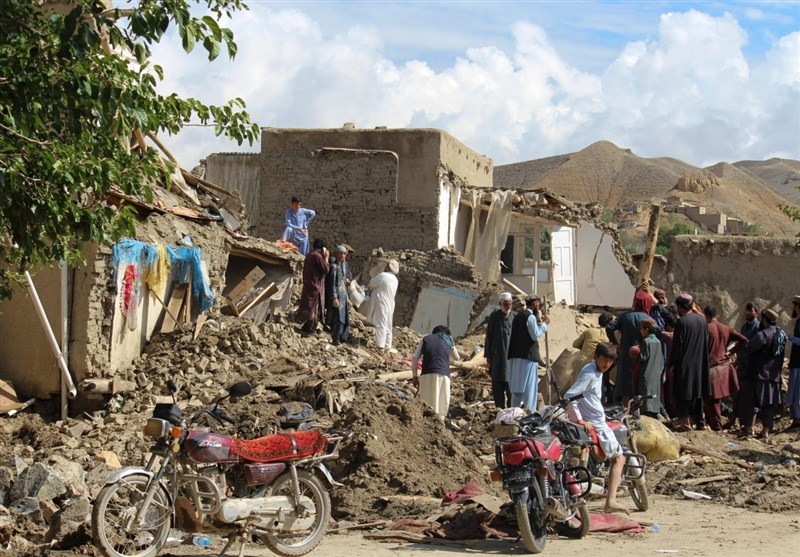
According to the IOM, nearly 988,000 people were forced to leave their homes temporarily—up to a month—due to severe weather conditions. In addition, approximately 400,000 households in remote areas suffered extensive damage, losing their homes and belongings, while at least 14,000 people were either killed or injured.
Despite playing almost no role in global carbon emissions, Afghanistan is among the ten countries most affected by climate change. Ms Mihyung Park, the head of IOM’s Afghanistan mission, stated that Afghanistan’s minimal carbon footprint does not shield it from the devastating effects of climate change.
The findings are based on the Afghanistan Climate Vulnerability Assessment (ACVA), the first comprehensive study that evaluates climate risks in Afghan villages using IOM’s Displacement Tracking Matrix. The assessment indicates that over 11 million people in Afghanistan face a high risk of future climate-related disasters, with the most vulnerable provinces identified as Ghor, Khost, and Jowzjan.
The report also raises concerns over the lack of access to essential services in remote regions, noting that 92 percent of these areas have limited access to emergency aid, while 46 percent of the population struggles to obtain healthcare services. With 73 percent of Afghanistan’s economy reliant on agriculture, the sector remains highly vulnerable to climate shocks. Furthermore, 96 percent of villages and remote areas lack early warning systems, disaster monitoring, and emergency response services.
The IOM has also warned that Afghanistan’s weak infrastructure and lack of preparedness have left the country highly exposed to climate risks. It emphasized the urgent need for international assistance to strengthen disaster response and resilience-building efforts in vulnerable communities.