Afghanistan’s Central Bank Auctions 27 Million USD to Stabilize Currency
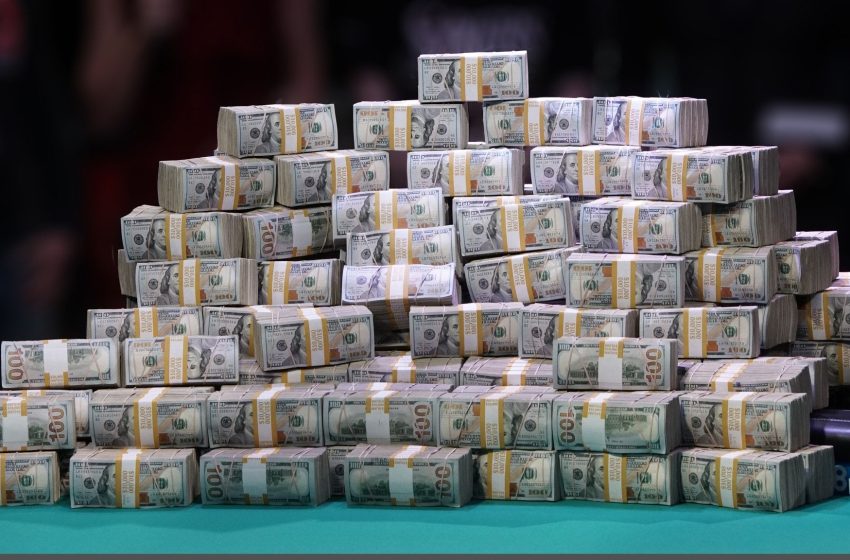
Afghanistan’s central bank, Da Afghanistan Bank (DAB), has announced plans to auction $27 million on January 29, 2025, in an effort to stabilize the rapidly depreciating afghani. This auction follows two others earlier this week, totaling $45 million, which failed to halt the currency’s slide. The afghani has weakened significantly, now standing at around 79 afghani per U.S. dollar on Tuesday, reflecting growing economic instability.
Noor Ahmad Agha, the Taliban-appointed governor of the central bank, urged private banks to conduct transactions in afghani rather than relying on foreign currencies. Despite this, the market has shown little improvement, and concerns are mounting about the central bank’s ability to manage the crisis effectively.
Currency traders in Kabul have reported increased interference by Taliban officials in market operations. Over the past week, the Taliban halted rate-setting activities at Sarai Shahzada, the country’s largest currency exchange market. Reports indicate that more than ten traders from Sarai Shahzada and the nearby Sarai Haidari exchange were detained.
Observers believe the central bank’s interventions are limited by dwindling financial reserves, which restrict its ability to inject enough dollars into the market.
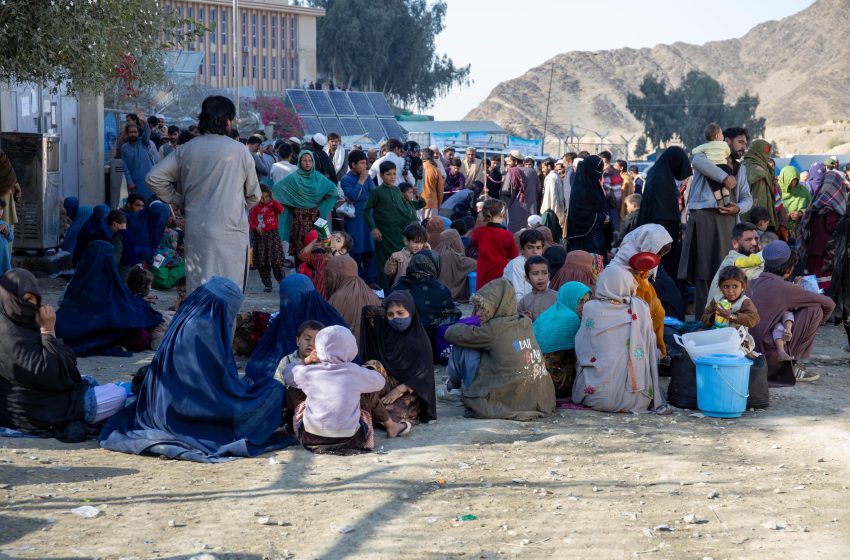
The situation is worsened due to the suspension of most international financial aid since the Taliban’s return to power in 2021. Economists warn that the continued devaluation of the afghani will drive inflation higher, worsening poverty and hunger across the country.
This is not the first time the central bank has tried to stabilize the currency through auctions. In December 2024, DAB sold $16 million in a similar effort to curb the afghani’s decline. However, these measures have had little long-term impact, as structural issues in Afghanistan’s economy remain unresolved.
The ongoing economic challenges highlight the broader struggles of the Taliban administration, which faces sanctions, international isolation, and limited access to global financial systems. Without significant changes in monetary policy and international engagement, Afghanistan’s currency crisis is expected to deepen, further burdening an already struggling population.