Afghanistan’s Education Crisis Deepens Under Taliban Rule, UNESCO Warns

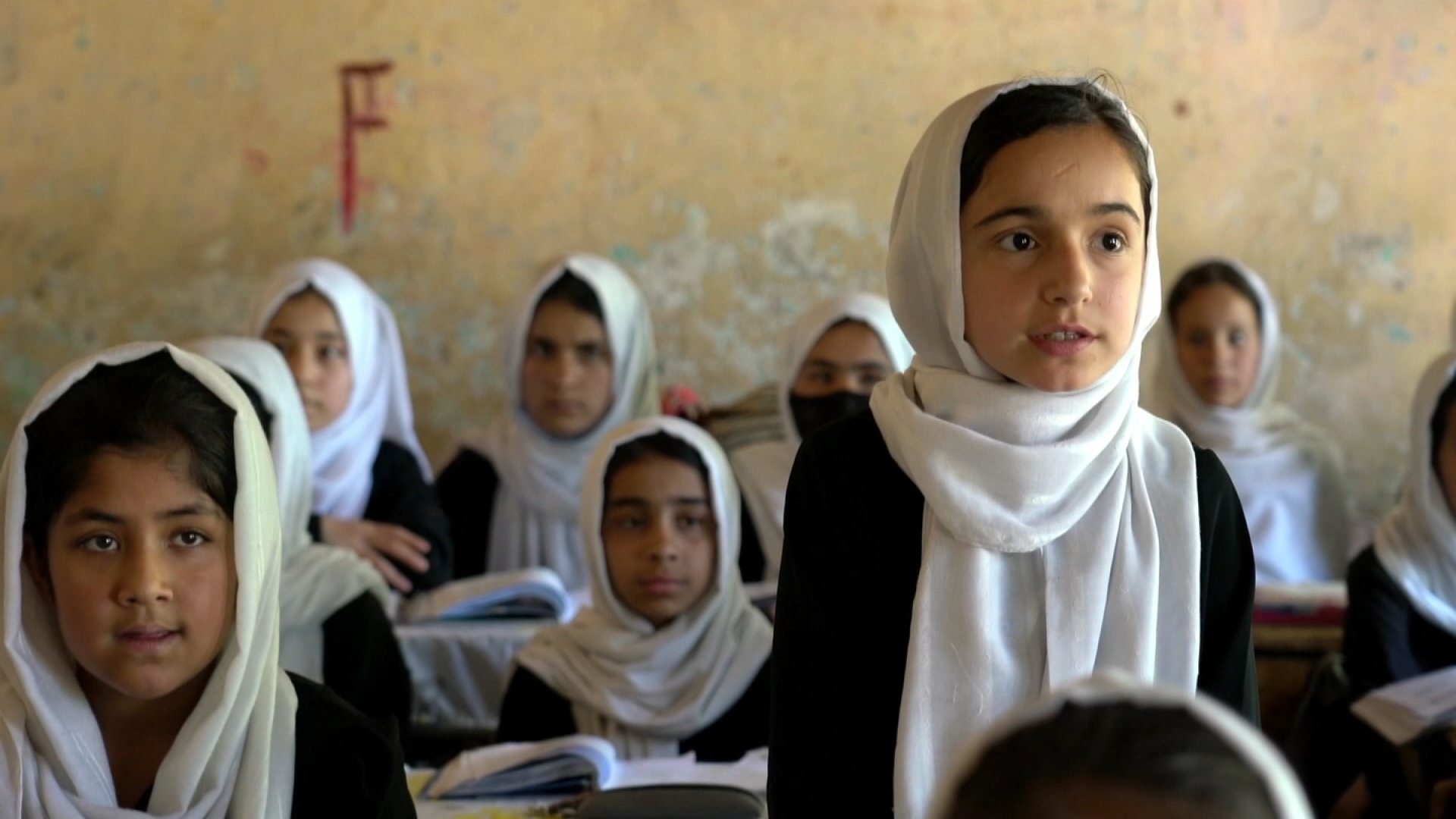
KABUL, Afghanistan — Since the Taliban’s return to power in 2021, at least 1.4 million girls in Afghanistan have been barred from accessing secondary education, plunging the future of an entire generation into peril, according to a recent report by UNESCO. The United Nations’ cultural agency issued a stark warning on Thursday, the third anniversary of the Taliban’s takeover, emphasizing the severe repercussions of the regime’s educational restrictions.
In its report, UNESCO detailed the alarming drop in school attendance across the country, revealing that 1.1 million fewer children, both girls and boys, are now attending primary school compared to before the Taliban’s resurgence. The agency expressed grave concern over the potential long-term consequences of this mass educational exodus, including a rise in child labor and early marriage.
“UNESCO is alarmed by the harmful consequences of this increasingly massive drop-out rate,” the agency stated. “In just three years, the de facto authorities have nearly wiped out two decades of steady progress for education in Afghanistan, and the future of an entire generation is now in jeopardy.”
The figures are stark: nearly 2.5 million Afghan girls are currently deprived of their right to education, amounting to 80 percent of school-age girls in the country. Afghanistan now holds the grim distinction of being the only nation in the world that prohibits girls and women from attending secondary schools and universities, a policy that the United Nations has condemned as “gender apartheid.”
UNESCO’s findings show that the situation has deteriorated even further since April 2023, with 300,000 additional girls now excluded from secondary education. This worsening crisis has prompted UNESCO’s Director-General Audrey Azoulay to call on the international community to intensify its efforts to pressure the Taliban into reopening schools and universities to all Afghan girls and women.
The crisis extends beyond secondary education. The number of children enrolled in primary education has dropped precipitously, with only 5.7 million children—both boys and girls—attending primary school in 2022, down from 6.8 million in 2019. UNESCO attributes this decline to the Taliban’s ban on female teachers instructing boys, as well as diminishing incentives for parents to send their children to school.
Higher education is also in a state of collapse. According to UNESCO, university enrollment has plummeted by 53 percent since 2021, signaling an impending shortage of skilled professionals needed to address the country’s development challenges.
“As a result, the country will rapidly face a shortage of graduates trained for the most highly-skilled jobs, which will only exacerbate development problems,” UNESCO warned.
With the Taliban administration remaining unrecognized by any other country and showing no signs of reversing its draconian policies, the prospects for Afghanistan’s young people grow bleaker by the day. As the world marks another grim milestone under Taliban rule, the international community faces mounting pressure to act before an entire generation is lost to ignorance and despair.