Ideological Monopoly; Taliban Pushes Afghanistan into Intellectual and Economic Isolation
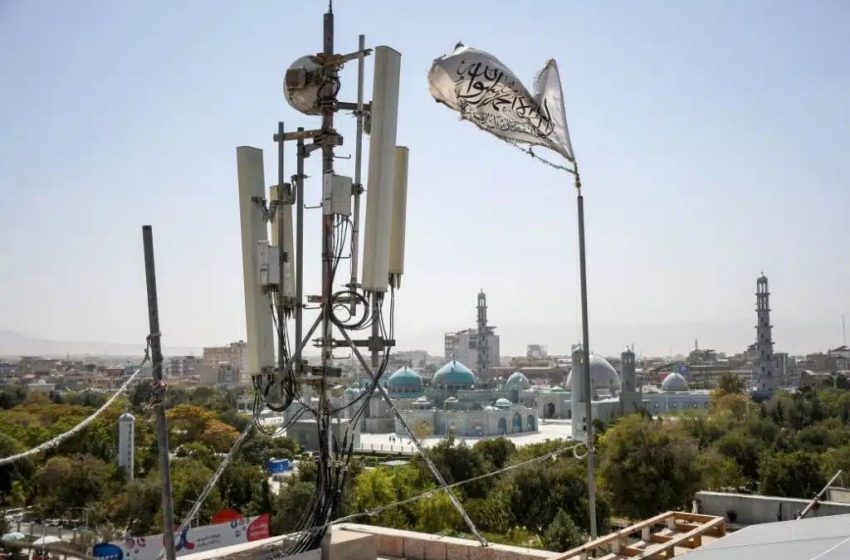
Tawazon – In the 21st century, the internet is not only a communication tool but also a vital infrastructure for economic growth, social development, and global engagement. In many societies, it serves as a foundation for innovation, education, commerce, and transparency. Afghanistan, despite its historical, security, and political challenges has in recent years made efforts to enter the digital economy. Afghan youth have used the internet to access global markets, develop skills, and engage in freelancing, online education, and electronic commerce.
However, since the Taliban’s return to power in 2021, communication networks have faced severe restrictions. Internet shutdowns and disruptions in parts of the country, particularly in northern and southern provinces, not only isolate Afghans from the outside world but also carry far-reaching economic consequences. In a fragile, aid dependent, and already struggling economy, such actions can have long-term impacts on employment, investment, education, and overall development.
Afghanistan’s Economy
Afghanistan remains one of the world’s most fragile economies, heavily dependent on traditional agriculture, livestock, and informal trade. A significant portion of the population lives in rural areas, relying on subsistence livelihoods. For decades, international aid accounted for a large share of government spending. Efforts to build infrastructure and attract investment were undermined by political instability, prolonged conflict, widespread corruption, and weak resource management. The result has been high unemployment, widespread poverty, and limited opportunities for youth and women.
With the collapse of the republic and the Taliban’s takeover, key financial and trade institutions were disrupted, eroding public trust. In this fragile environment, technology and internet connectivity could play a critical role in revitalizing th economy. But restrictions and shutdowns undermine this potential.
The Role of the Internet in Afghanistan’s Economy
Despite limited infrastructure, the internet has become one of the few drivers of economic transformation in Afghanistan. Young Afghans, particularly in urban areas, have accessed global markets through freelancing, programming, graphic design, content creation, and online teaching. These activities not only provide income but also cultivate a digital workforce less reliant on state jobs or traditional sectors.
Economic commerce has also begun to grow in Afghanistan. Online shops, delivery services, and digital marketing have allowed small and medium sized businesses to expand their reach. In education, the internet has been a lifeline for many families, especially women and girls barred from attending schools and universities in person, offering access to online classes and digital resources.
The internet has also been crucial for transparency and accountability. Independent media, civil society, and human rights activists have used online platforms to monitor governance, report on corruption, and amplify citizens’ voices. Cutting off such access undermines both economic progress and civic participation.
Negative Economic Impacts of Internet Shutdowns
Internet shutdowns disrupt Afghanistan’s economy, trade, online educations, and financial services, while also directly increasing unemployment nd migration. This action risks collapsing Afghanistan’s fragile economy and undermines key sectors. Below, we evaluate some of the negative impacts of this decisions:
Collapse of Digital Businesses
Internet shutdowns cripple Afghanistan’s growing digital economy. Startups in e-commerce, online education, graphic design, app development, and consultancy lose access to clients and markets. Technology companies, including telecommunication firms, development centers, cybersecurity services, and technical support providers are severely impacted and forced to downsize, suspend operations, or shut down entirely. Thousands of jobs vanish, innovation stalls, and Afghanistan risks losing its place in the global digital economy.
For the youth dreaming of building a better future, internet shutdowns are a massive setback that could push Afghanistan further off thr path of digital development and economic recovery.
Disruption of Banking and Financial Services
Disruption of financial and banking services in Afghanistan is one of the most serious political and security consequences. Modern banking depends heavily on internet connectivity – from account management and salary payments to international transfers. Shutdowns disrupt daily transactions, weaken public trust, and force businesses back to informal cash systems. This regression increases reliance on black markets, reduces investment, and risks financial instability.
Overall, internet shutdowns in Afghanistan are not merely a technical issue, but a national crisis that strikes at the core pillars of the economy, banking, and public services. If this continues, it will seriously harm the country’s financial stability and long-term economic development.
Declining Investment
For both domestic and foreign investors, internet restrictions are clear signals of instability and authoritarian control. Without reliable connectivity, businesses cannot manage operations, process international payments, or access market data. Such conditions deter investment and further isolate Afghanistan from the global economy.
Why the Taliban Restrict the Internet
The Taliban’s restrictions on internet access are rooted in political control. By limiting online activity, they seek to prevent the spread of independent news, the organization of protests, and access to content they consider “morally corrupt.” Internet shutdowns also block alternative ways of education for women and girls, tightening the group’s control over society. Internet restrictions become a tool for suppressing, blocking access to education, and reinforcing political and cultural authoritarianism.
At the same time, the Taliban overlook how connectivity could help their international standing. Allowing broader internet access could demonstrate openness to modernization, improve governance, and potentially build trust with global actors. Instead, restrictions deepen isolation and fuel mistrust.
Furthermore, the internet is a vital tool for communication with the international community and delivering government services. If the Taliban can use this tool to improve governance, build global confidence, and ease political dialogue, it will benefit them. In reality, internet access could be the bridge the Taliban needs to step out into the world and utilize the counry’s economic potential.
Conclusion
The Taliban’s internet shutdowns strike at the heart of Afghanistan’s fragile economy. An economy already facing serious challenges such as aid dependency, widespread unemployment, and weak infrastructure, is now also confronted with internet shutdowns. They paralyze digital businesses, increase unemployment and migration, disrupt financial systems, and scare off investors. While designed to consolidate political control, these actions directly undermine Afghans’ livelihoods and prospects for stability.
The Taliban, aiming to control information, restrict freedoms, and strengthen their political and cultural authoritarianism, have imposed such limitations. However, the consequences of these actions go far beyond their intended ideological goalsdirectly threatening people’s livelihood, economic growth and Afghanistan’s development future. In an increasingly digital world, cutting off internet access pushes Afghanistan further into isolation — economically, socially, and intellectually. If the trend continues, not only the economy but also the hope of rebuilding and achieving long-term stability will face collapse.