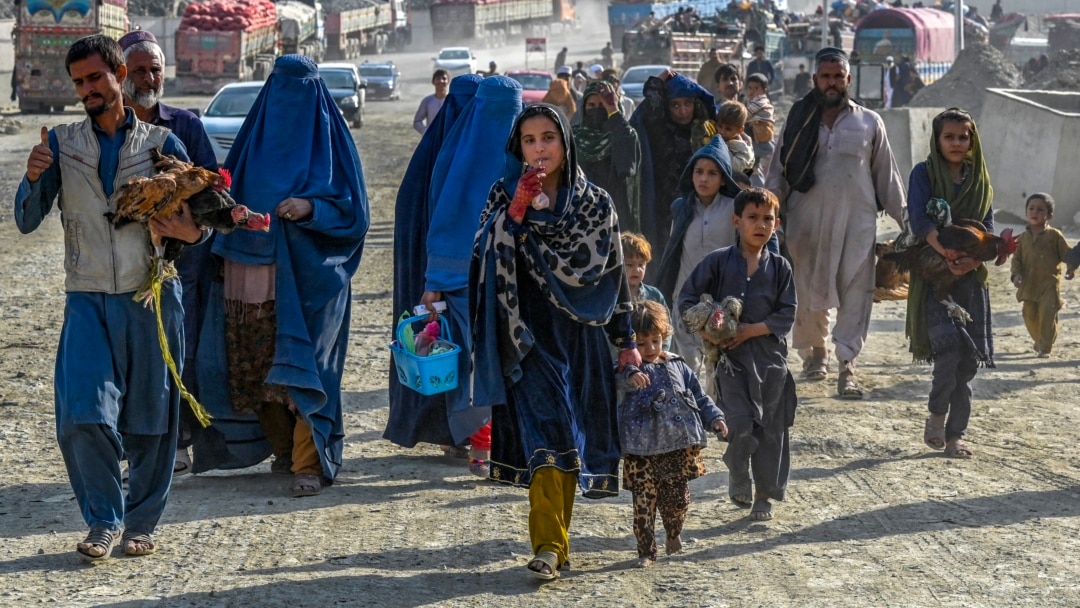
International Agencies Warn: Afghanistan on the Brink of Humanitarian Collapse
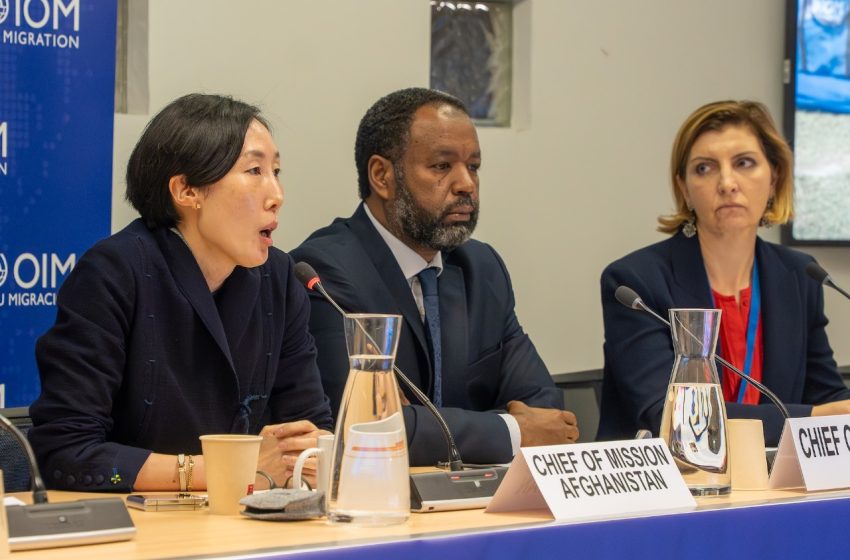
International organizations have sounded the alarm over Afghanistan’s worsening humanitarian situation, warning that the country is on the verge of collapse without urgent action. In a joint briefing, the International Organization for Migration (IOM), the World Food Programme (WFP), the United Nations Population Fund (UNFPA) and the Norwegian Refugee Council (NRC) said Afghanistan is facing multiple, overlapping crises and that vulnerable families risk being forced into desperate and dangerous coping mechanisms without immediate aid and long-term solutions.
The agencies said the crises include mass returns of refugees from Iran and Pakistan, large-scale internal displacement, the destruction of thousands of homes by recent earthquakes, acute food shortages, a fragile economy and the approach of winter. They warned that inaction could force families to sell their last assets, abandon their homes, attempt irregular migration, or push children into work and out of school.
International media and UN agencies report that the recent earthquakes in eastern Afghanistan destroyed more than 7,000 houses and affected nearly half a million people, while killing and injuring large numbers of residents. Damaged roads and infrastructure in remote areas have made delivery of aid difficult and left some communities reachable only by air. Aid groups say providing shelter, clean water, food and basic health services — especially for women, children and other vulnerable groups — remains a major challenge.
Humanitarian organizations have also warned that cuts in donor funding over the past year have severely constrained relief operations. They urged the international community, governments, multilateral bodies and charities to scale up both emergency assistance and longer-term recovery efforts — including rebuilding homes, creating durable shelter solutions, expanding health services and strengthening food security — so aid is solution-oriented and sustainable.
The appeal comes as Pakistan moves ahead with measures to return Afghan nationals whose residency proofs have expired. Pakistani authorities have begun intensified searches and detentions in some cities, and several Afghan nationals have reportedly been detained as part of these operations. UN agencies and rights groups have raised concerns about the humanitarian impact of abrupt returns.
Humanitarian actors warned that with winter approaching, conditions for displaced and homeless families could deteriorate quickly, increasing the risks of cold-related deaths, disease outbreaks, child malnutrition, forced migration and the collapse of household livelihoods. They reiterated that sustained support is required now to save lives and to build local resilience that will reduce long-term dependency.