Islamabad Conference; Taliban opponents Gathered Amid Rising Tensions
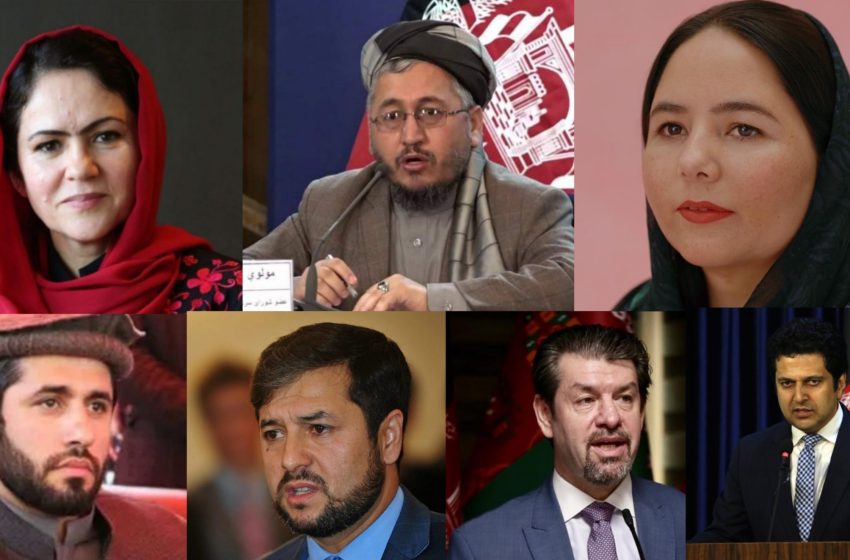
Tawazon – A two-day conference bringing together prominent Taliban opposition figures is scheduled to take place on August 25-26 in the Pakistani capital, drawing regional and international attention. This event, organized by South Asian Strategic Stability Institute (SASSI), comes at a time of mounting tensions between Islamabad and the Taliban.
The Taliban have strongly opposed the gathering, denouncing it as a “hostile act” by Pakistan. Their sharp reaction highlights the group’s sensitivity toward efforts to create alternative political platforms for Afghanistan. Meanwhile, some international actors, including former U.S. envoy for Afghan peace Zalmay Khalilzad, expressed concern about the conference. Despite criticism, Khalilzad was invited as an honorary guest by SASSI director Maria Sultan.
Since the Taliban’s return to power in 2021, several symbolic meetings have been held in Moscow, Doha, Tehran, and Austria. While Moscow’s talks centered around political and jihadist factions, Doha focused on human rights and women’s roles, and Tehran largely addressed regional cooperation. Across all platforms, the Taliban’s human rights abuses, ranging from banning girls’ education to repressing the media and religious minorities, remained key issues. Yet, none of these gatherings managed to push the Taliban toward forming an inclusive government.
Islamabad’s gathering, however, carries particular weight. For decades, Pakistan was considered the Taliban’s primary supporter, providing shelter and logistical baking to many of its leaders. Islamabad viewed this alliance as a way to secure a friendly government in Kabul and curb Indian influences.
But the return of the Taliban has complicated the relationship with Pakistan. Contrary to expectation, the Taliban have resisted Pakistan’s demands, particularly in controlling the Tahrik-e Taliban Pakistan (TTP), securing the border, and cooperating on tribal areas security. With cross border attacks intensifying, relations have soured. By hosting this conference, Pakistan appears to be leveraging political pressure against Kabul.
Analysts identify four main objectives behind the Islamabad meeting: political pressure on the Taliban through soft power and indirect threats, refreshing Pakistan’s regional role in competition with Iran, China and Russia, signaling responsibility to the international community by spotlighting human rights concerns, and addressing domestic security challenges posed by escalating border attacks.
Still, the initiative exposes deep contradictions in Pakistan’s approach. While promoting human rights and inclusive governance at the conference, Islamabad simultaneously enforces mass deportations of Afghan refugees and keeps thousands in harsh detention conditions. These actions undermine Pakistan’s moral standing and highlight the instrumental use of human rights as a geopolitical tool.
The Islamabad conference is set to test regional dynamics once again. The Taliban’s harsh response suggests further deterioration in diplomatic and security cooperation with Pakistan. Yet, the participation of Afghan civil and political figures revives the debate on inclusive governance and underscores to Afghans and the world that the Taliban are not the only political option for the country’s future.
The South Asian Strategic Stability Institute (SASSI), founded in Islamabad, is a research think tank focusing on peace, security, and strategic stability in South Asia, particularly in the context of Pakistan-India relations.