Humanitarian Aid Has Been Hampered By a Funding Shortage, Warns UN Official
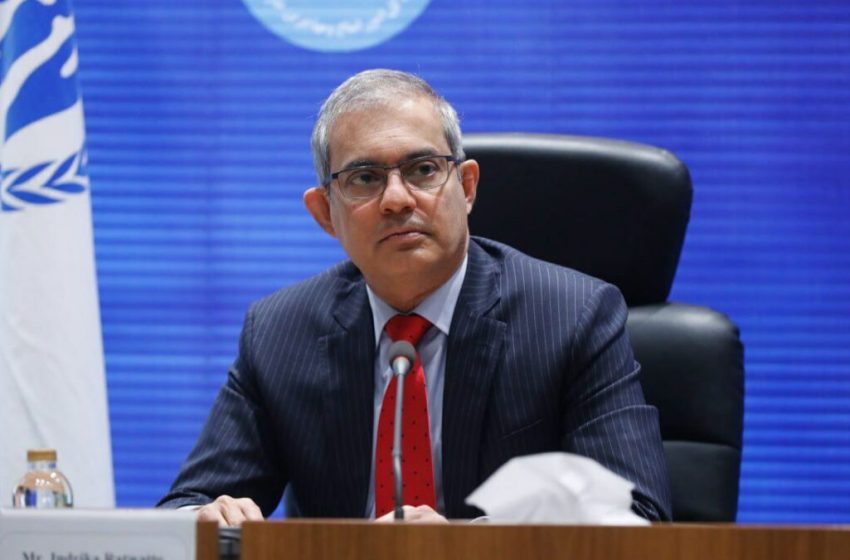
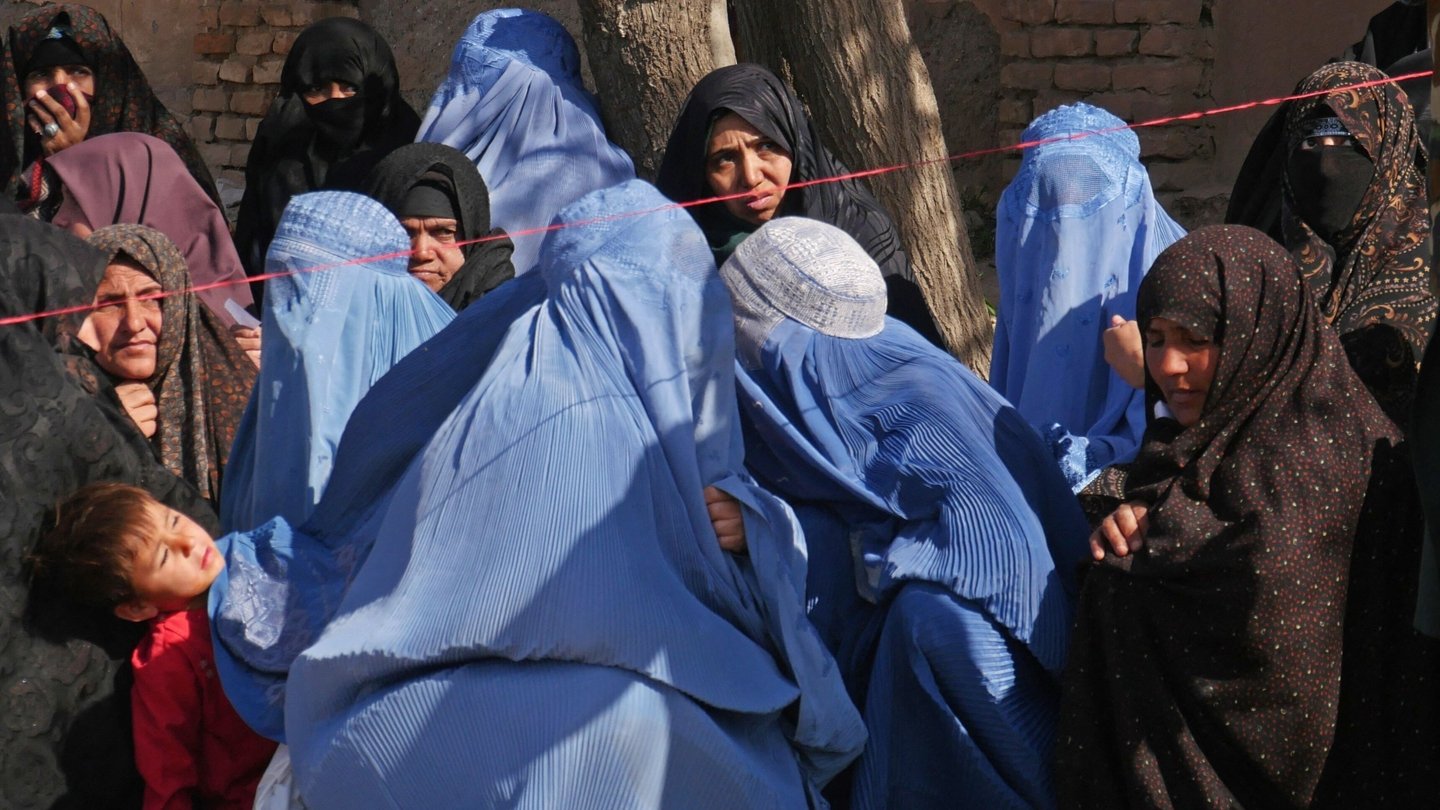
Tawazon – Humanitarian aid operations in Afghanistan are facing serious challenges due to a lack of funding, said Indrika Ratwatte, the UN Humanitarian Coordinator for Afghanistan. He stressed that financial shortages are not only limiting the expansion of aid but also imposing severe restrictions on the daily work of relief workers.
In a recent statement titled “Voices from the Frontlines of Humanitarian Aid,” Ratwatte underlined that humanitarian needs across Afghanistan remain extremely high. However, the lack of financial commitments has significantly reduced the capacity of organizations to deliver timely and effective assistance.
“We face tough challenges every single day. Financial constraints, policy restrictions, and the security environment make our work even harder. But despite all this, we remain committed to standing with the people of Afghanistan,” Ratwatte said.
According to the UN Office for the Coordination of Humanitarian Affairs (OCHA), the 2025 Humanitarian Response Plan requires several billion dollars in funding, but so far only a small fraction has been secured. The shortfall has severely disrupted essential aid programs, including food distribution, healthcare services, and access to clean drinking water.
Ratwatte noted, “Every day, aid workers must navigate insecurity, limited access, and competing demands from communities and stakeholders, all to ensure that assistance reaches those who need it most.”
He urged the international community to put human needs above politics and warned tha without urgent funding, millions of Afghans could face life threatening conditions. “We are heading toward a situation where, without immediate action, the humanitarian crisis will deepen further,” Ratwatte warned.
Afghanistan continues to struggle with economic collapse,social challenges, and widespread insecurity. Ratwatte emphasized that overcoming these obstacles requires sustained global commitment and solidarity, as humanitarian agencies cannot meet the needs alone.