Bennett: Taliban’s New Media Policy Deepens Press Restrictions in Afghanistan
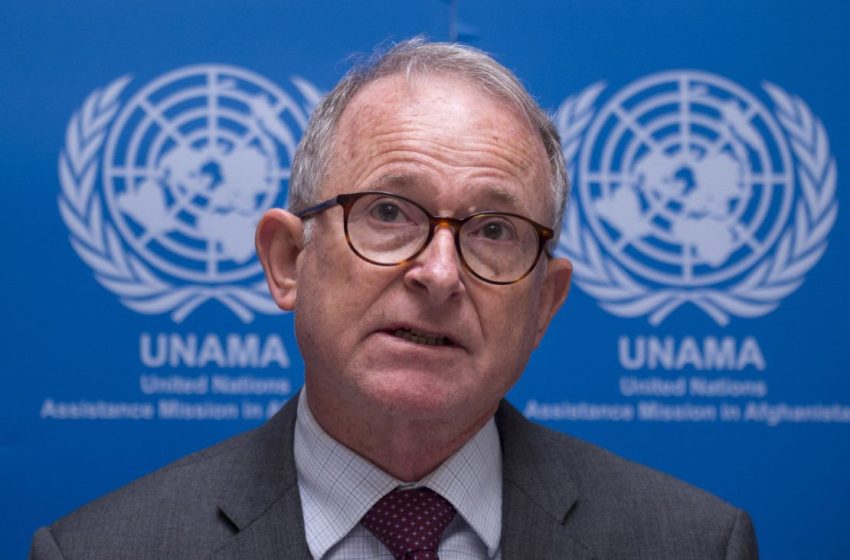
Tawazon – Richard Bennett, the UN Special Rapporteur on the situation of human rights in Afghanistan, has described the Taliban’s recent policy to intensify censorship of political programs on Afghan media as a clear sign of escalating authoritarianism and increasing restrictions in the country.
In a statement shared on his X account on Friday, July 4, Bennett expressed deep concern over the harmful impact of the Taliban’s new policy, warning that it threatens the ability of Afghan media to reflect reality. He called the move, another dark day” for press freedom in Afghanistan and stressed that such restrictions further suffocate free expression and independent journalism under Taliban rule.
The Taliban’s Ministry of Information and Culture has issued a new directive titled “Policy on the Broadcasting of Political Programs in Afghanistan,” which mandates all media outlets to submit political content for review and approval before airing.
According to the directive, only experts who have received a special identification card from Taliban authorities will be allowed to participate in political programs. This move represents a significant tightening of restrictions on independent journalism and political debate in Afghanistan, raising further concerns about censorship and the erosion of press freedom under Taliban rule.
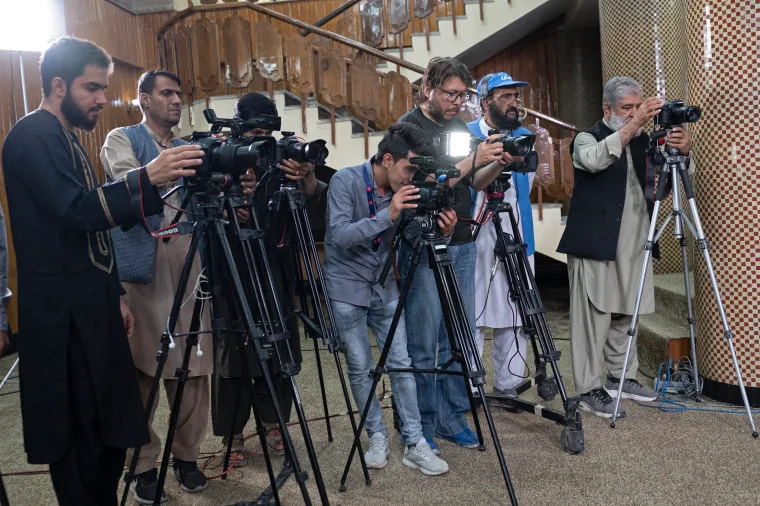
This latest directive reflects a deeper push by the Taliban to control the flow of information in Afghanistan. Journalists have long faced censorship, arrests, and pressure, but with this new directive, the group has now established a formal framework to monitor media activity, control political programming, and content. It is a clear attempt to silence critical voices, restrict free expression, and shape public perception through tight control of the media.