Beatings, Threats, and Prison; Fate of Female Journalist Now Under House Arrest in Afghanistan
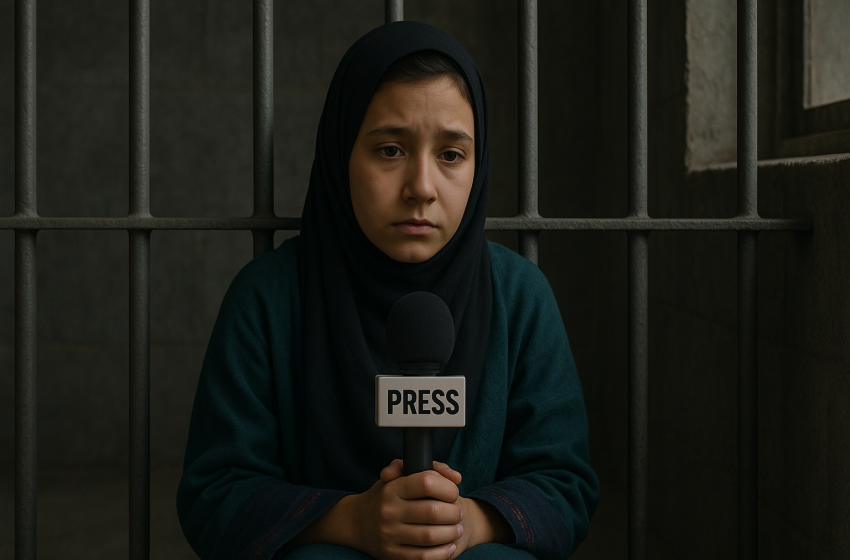
Tawazon – In Afghanistan, where simply being a woman is considered a crime, being a journalist is an unforgivable offense. Roya (a pseudonym), a young female journalist, entered the media world with the aim of reflecting reality. But for the “crime” of telling the truth, she experienced the darkest days of her life in the Taliban prison.
Her dreams have now trapped her within the confines of her home, under the shadow of threats, imprisoned for nothing more than writing.
Roya entered journalism full of hope. After just eight months of working at a newspaper, everything fell apart. In December 2023, she was arrested by Taliban intelligence — a bitter memory that turned her daylight into darkness, accused of secretly working with a foreign media outlet.
With a voice filled with pain and trembling hands that once wrote the truth, she recalled: “There were three of us. At every checkpoint, we were searched. They had our photos. Armed men stared at us with heavy eyes. There wasn’t a single woman among them.”
Inside one of their ranger trucks, she was dragged away, her body trembling, beaten and humiliated. No one asked why. No one let her speak. Without warning, a Taliban fighter slapped her hard across the face, the only response they demanded from a female journalist was silence.
“When I said I wasn’t working with any foreign media, they said: ‘We know you are.’ Then they forced me to confess on camera. A false confession. They slapped me, forced me to confess under duress, and recorded it on video.”
She was released after a grim day in custody, but that was not the end of her fears. It marked the beginning of a silent imprisonment, a prison without walls or bars, but full of terror. Her home was no longer a refuge; it had become a cage for a girl who had done nothing but speak the truth.
“Just hearing the words ‘Taliban prison’ makes my body shake. We went through misery. I became completely isolated from society, mentally devastated. Afghan society and families don’t welcome back girls who return from Taliban prisons. With all the difficulties I faced, I could no longer work. Our financial situation worsened. Out of fear of that group, I couldn’t even teach at a school. After the day I was arrested, more threats came from them.”
Since the Taliban’s return to power, the voices of women and journalists in Afghanistan have been brutally silenced. Working with the media — especially foreign media — is considered a crime for women. In such an environment, girls like Roya, who entered journalism with hope, have been met with threats, prison, and forced silence.