
World Press Freedom Day; Telling Censored Truths Behind Black Masks in Afghanistan
Tawazon – As World Press Freedom Day is marked on May 3, the media situation in Afghanistan remains deeply challenging especially for women journalists.
Restrictions imposed by the Taliban have not only limited freedom of expression but have also made it harder for women to continue working in media.According to media support organizations, eight out of every ten women journalists have left their jobs and those who remain face many restrictions.
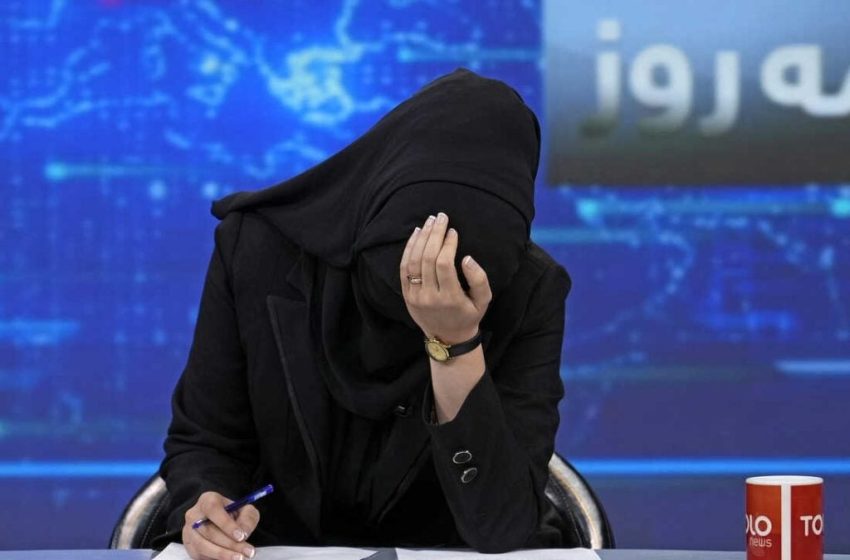
Sana, a woman journalist, says she is required to cover her face with a black mask or veil while presenting news. She adds that job opportunities for women in visual media have significantly decresed compared to men.
She told Tawazon:“I have worked in journalism for about five years in radio, television and news agencies. In television, I must cover my face and wear a mask, even at press conferences. These restrictions still continue. Now there are fewer job opportunities for women in media. I ask media support organizations and authorities to pay attention to this issue and ensure equal opportunities for women and men”.
Another journalist, Marzia, who has worked in media for six years says discrimination, lack of access to information and low salaries have reduced her motivation.
She said: “the environment is very limited. We don’t have access to sources to complete our reports. Many officials do not share information with female journalists, so we have to ask male colleagues for help. There is discrimination inside media organizations, men are in higher positions while women are in lower positions. Our salary is very low, even though we have experience. Sometimes I think about leaving this profession.”
Media support organizations say the presence of women in Afghan media has declined in recent years. They point to limited access to information, pressure on media and strict dress rules as key reasons forcing women to to leave journalism.
Basir Daneshyar, deputy of a media support organization described the situation as worrying. He said women journalists face more challenges than men including disrespect, lack of information and restrictions on appearance.
“Many media outlets no longer hire women journalists because sources do not cooperate with them. This has become a serious barrier”, he added.
According to a report by Reporters Without Borders, Afghanistan ranks 175th out of 180 countries in the 2026 World Press Freedom Index.
The report says pressure on journalists has increased and censorship has become common. Since the Taliban returned to power in August 2021, 43 percent of media outlets have closed within three months and more than two-thirds of the country’s 12,000 journalists have left the profession.
Women journalists who remain face strict limits, including lack of access to official sources, travel restrictions without a male guardian, bans on appearing on screen, workplace separation and requirements to cover their faces.
The report adds that criticism of the Taliban is strictly banned and self-censorship has become normal. Topics such as religion, women’s rights, minorities and human rights are often restricted. In some areas, journalists must submit their reports for approval befor publication.
The Afghanistan Journalists Centre also reported increased censorship and pressure on journalists, especially women. It warned that these restrictions are harming society and called on authorities to respect media freedom and allow journalists to work without fear.
Afghanistan’s low ranking comes at a time when reports of arbitrary arrests, detentions and violence against journalists are increasing.Since January 2026, at least four journalists have reportedly been detained by the Taliban.
Despite all these challenges, Afghan journalists continue to report often under very difficult and risky condition.