World Mental Health Day; One in Five Afghans Suffer from Psychological Disorders
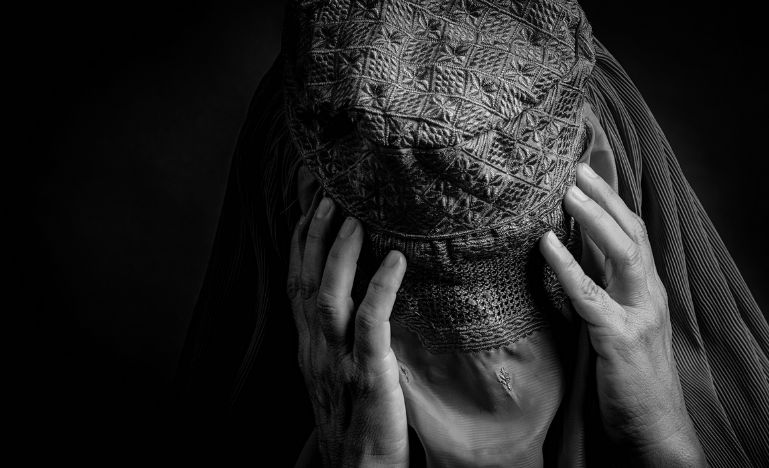
Tawazon – Every year on October 10, World Mental Health Day is observed, a day aimed at raising awareness about the importance of mental well-being, combating stigma against people with mental illnesses, and encouraging governments to invest more in psychological support services. This year, the day comes as Afghanistan faces a troubling rise in cases of depression and mental health disorders, according to both international organizations and local specialists. Years of conflict, poverty, unemployment, displacement, and restrictions onwomen’s education and work are among the major factors pushing millions of Afghans into psychological distress.
Afghanistan has consistently ranked among the world’s saddest countries. Youth, considered the human capital of any nation, are particularly vulnerable. Many young Afghans face deep depression and hopelessness due to the ban on education, lack of job opportunities, poverty, and economic stagnation, all of which contribute to widespread mental health problems.
Diwa, who holds a bachelor’s degree, says she has been suffering from severe depression for the past four years. She explained that she was once employed, but has now been forced into isolation at home. “I was in my third year of university when the universities and schools were shut down. Women wre banned from working. That’s when I fell into deep depression. I avoid people, I don’t want to be in gatherings, I stay alone in my room and keep myself in darkness. I have visited psychologists and even a neurologist, but neither the sessions nor the medication helped me.”
Another Afghan woman, “Fariba,” who studied up to grade 12, says she has also been suffering severe depression for the past two years. Her husband is unemployed and ongoing financial stress has pushed their family into crisis. “I have become irritable and angry over small things; this is all because of poverty. I haven’t sought treatment. My husband also suffers from the same problem because he has no job and no source of income.”
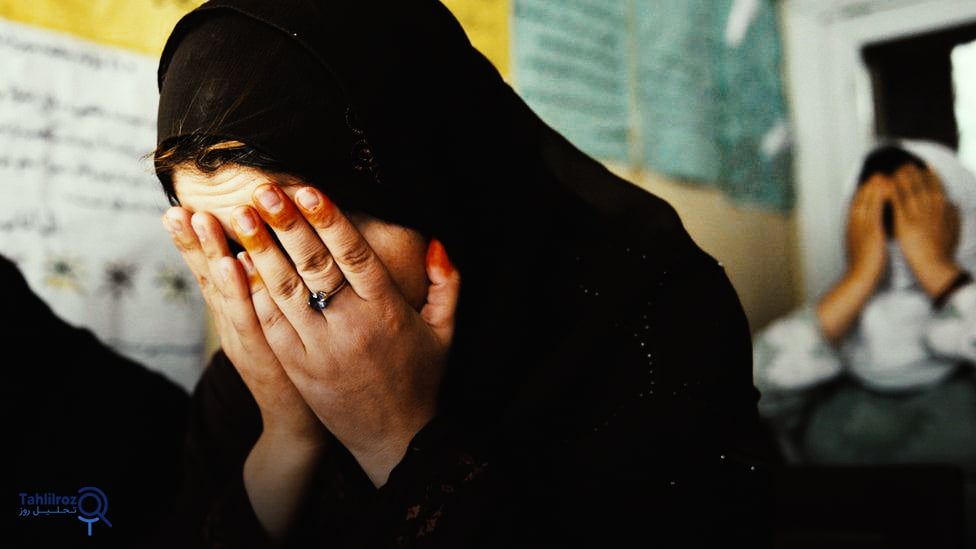
“Zeba,” a young woman who was in her fourth year at Kabul University, with the closure of the universities, her dream of completing the education was shattered. So to cope her mental struggles, she turned to painting. She has not sought treatment due to financial challenges but recognizes symptoms of depression within herself. “For about three to four years I’ve been struggling with depression. I think too much, I can’t sleep, I cry, I lack motivation, I get tired and avoid people. The main reason is being denied education, and economic hardship. I haven’t gone for treatment because I feel it might not work, so I have no motivation to see a doctor.”
Rahimullah, a former computer science student at Kabul University, shares a similar story. He was the sole provider for his family of twelve and was forced to abandon his studies. Later he enrolled in a two year institute but dropped out again due to financial constraints. He now sells goods on the streets of Kabul. “When I left my studies, all my dreams and plans for my family collapsed. I had no choice but to work. This pressure pushed me into depression. I constantly argue with my family, I can’t sleep, and I have distanced myself from my friends. I haven’t gone to a doctor because I don’t believe it will help.”
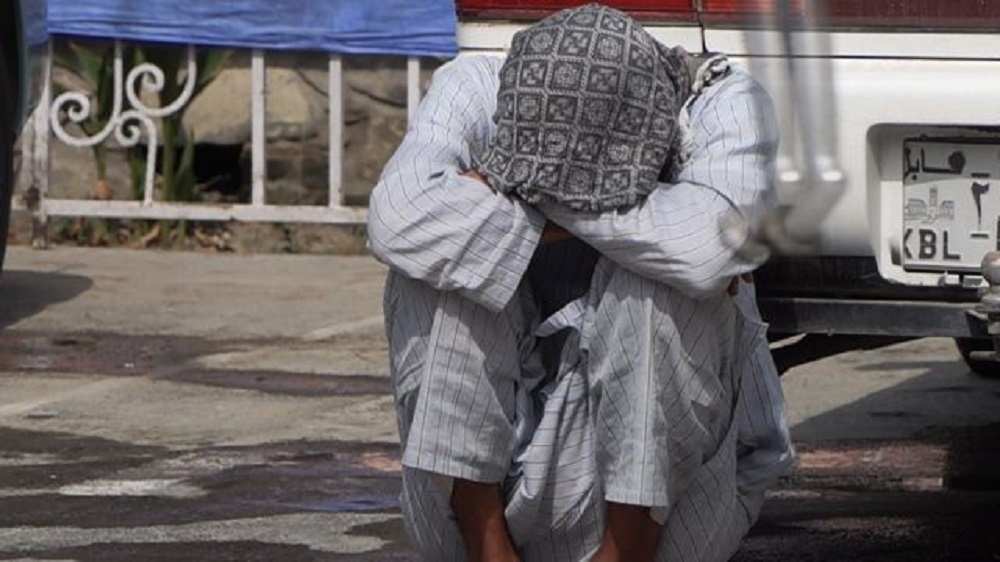
Mental health specialists say psychological disorders, especially depression, are rapidly increasing among Afghan youth. According to psychologist Hebatullah Ebrahimkhil, the situation is alarming. “It is difficult to give exact numbers, but based on the patients we see, nearly 60 percent likely suffer from severe depression. It exists in all social classes but is most common among young people.”
Experts warn that when one family member suffers from depression, other members are also at risk. If not treated in time, psychological disorders can lead to suicidal thoughts and attempts. Family support and regular consultation with mental health professionals are critical to prevent serious outcomes.
Dr. Eimal Safi, a psychiatrist, says: “People with depression have a 35 percent chance of developing suicidal thoughts, and some eventually attempt to end their lives. Around 75 percent of severe depression cases are linked to genetic factors. To help patients recover, we need to reduce emotional pressure, encourage physical exercise, motivate them to stay hopeful, strengthen their relationships, and ensure they take their medications regularly with family support.”
The World Health Organization also reports that mental health remains one of the most serious yet neglected issues in Afghanistan. Years of war, natural disasters, and displacement have left millions with psychological trauma, especially returnees from Pakistan and Iran.
Dr. Edwin Ceniza Salvador, WHO Representative in Afghanistan, said: “Millions in Afghanistan live under daily psychological stress caused by chronic illness and mental disorders, putting enormous pressure on the country’s weak health system. Psychological pain still affects families and communities. There is an urgent need expand mental health services so that vulnerable populations can access care.”
According to WHO estimates, one in every five Afghans lives with some form of mental disorder, and more than half of returnee families reported experiencing anxiety, severe depression, or trauma within the last year. Despite this growing crisis, many provincial hospitals and basic health centers still lack mental health services, leaving vulnerable people without care.
Afghanistan’s Ministry of Public Health says that, based on research and surveys conducted before 2020, one in every two Afghan citizens was affected by psychological stress, with insecurity cited as the main cause. However, according to the ministry, the current rate has declined. Sharafat Zaman Amarkhel, spokesperson for the Taliban-run ministry, said: “Although we have no recent nationwide survey, mental health cases have decreased compared to previous years. Through preventive and treatment services, we have reduced the number of patients. Counselors are available at health centers in provinces, and some provinces also have inpatient mental health units.”
These statements come despite warnings from WHO and other international organizations that mental health disorders have sharply increased since the Taliban’s return to power.According to the World Bank, nearly half of Afghans live below the poverty line, and unemployment among youth aged 15 to 29 is around 25 percent, factors that experts say are directly linked to rising psychological distress.