UN: The World Cannot Turn a Blind Eye to the Plight of Afghan Refugees
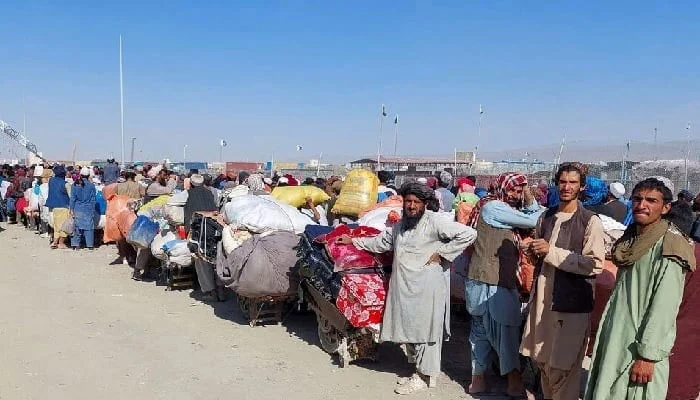
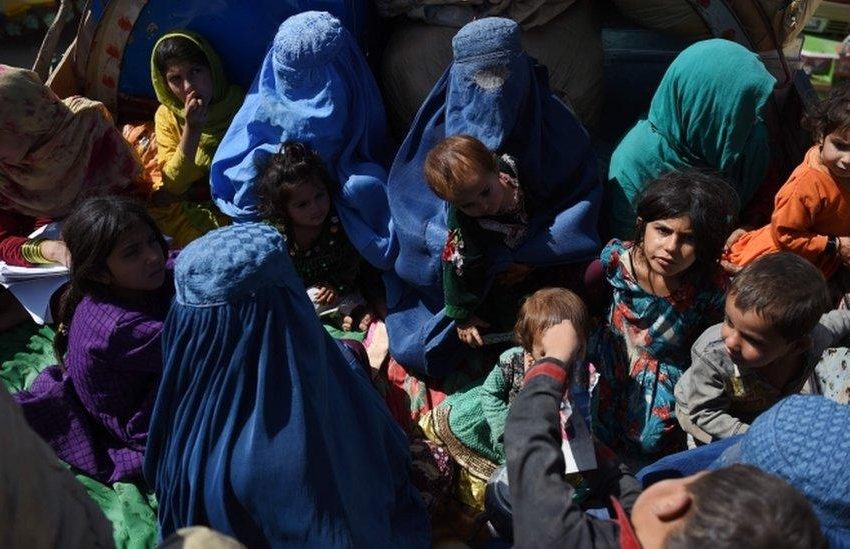
Tawazon – Afghanistan is facing a massive repatriation crisis as more than 2.3 million Afghans have been forced to return from Iran and Pakistan this year alone, according to the UN Refugee Agency (UNHCR). The agency warns that without urgent international support, millions of Afghans will be left struggling with severe economic, social, and humanitarian challenges that the country’s already fragile capacity cannot withstand.
In a statement shared on its official X account today, UNHCR expressed gratitude to governments and institutions supporting Afghan refugees, including Austria, Belgium, Canada, China, the Czech Republic, Denmark, Finland, France, Germany, Ireland, Japan, South Korea, Luxembourg, the Netherlands, Norway, Qatar, Saudi Arabia, Sweden, Switzerland, the United States, and EU member states.
International funding mechanisms such as the Afghanistan Humanitarian Fund (AHF), the Afghanistan Humanitarian Trust Fund (AHTF), the UN Central Emergency Response Fund (CERF), and the Special Trust Fund for Afghanistan (STFA) have also contributed vital assistance.
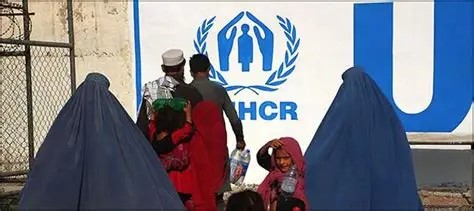
Sher Agha, a recent returnee from Pakistan who received support from UNHCR, shared his experience: “When I came back to Afghanistan, I had nothing but despair. UNHCR helped me restart my life”. In Kandahar, more than 770 families have received cash assistance from UNHCR to help them reintegrate and rebuild their lives. The agency stressed that the plight of Afghan refugees requires global attention and that “the world cannot turn a blind eye to their suffering.”
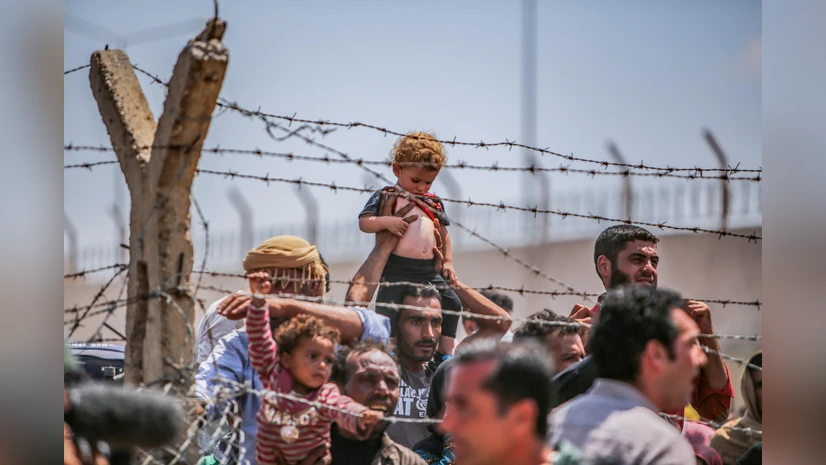
For over four decades, Iran and Pakistan have hosted millions of Afghan refugees fleeing war, political upheaval, and economic collapse. However, in recent years, both countries have increased pressure on Afghan refugees. Pakistan’s “Illegal Foreigners Repatriation Plan” and Iran’s cancellation of refugee registration documents have led to thousands of Afghans being forcibly returned each day.
Afghanistan, already crippled by a deep economic crisis, widespread unemployment, shrinking humanitarian aid, and sweeping restrictions on women’s rights, lacks the capacity to absorb the return of so many displaced people.According to UN and humanitarian agencies, nearly 23 million Afghans are currently in need of urgent assistance.