Afghan Women; Four Years in the Shadows of Repression, Isolation, and Restriction
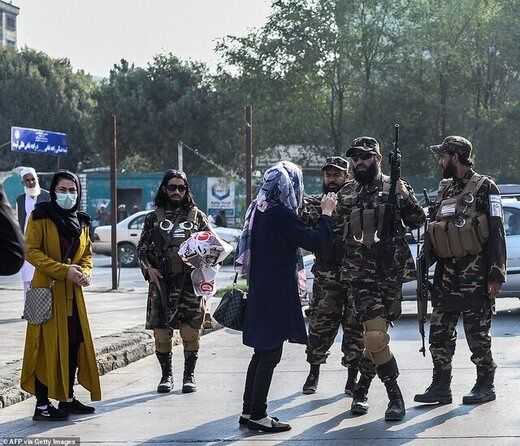
Four years into Taliban rule, Afghan women remain broadly deprived of their most basic rights in social, economic, educational, media, and civic life. This report documents the lived realities of Afghan women, chronicling the restrictions imposed on them, the psychological and social consequences, and the daily struggles they face.
Education Ban; The Silence of Afghan Girls’ Dreams
Following the political upheaval in Afghanistan, the Taliban reversed their decision to reopen secondary schools for girls in March 2022, banning education beyond Grade 6. In December of the same year, universities were closed to women and girls.
Afghanistan is now the only country in the world where girls are prohibited from pursuing higher education. The closure of schools and universities has extinguished the dreams of thousands of Afghan girls. On the eve of the Talibans fourth year in power, many speak with deep pain about years of deprivation and lost hope.
Maryam, a 10th-grade student at the time of the regime change, has been barred from school for four years. Struggling with emotional and psychological distress, she says: “When the schools closed for girls above Grade 6, we were left without education. We developed mental health problems. I hope the schools reopen so we can continue our studies.”
Maryam Momand had been a journalism student. University to her, was not just a place of learning but a gateway to her dreams, to light the darkness through her reporting and writing. She aspired to gift her society with awareness through her words. But the university closures froze her dreams in the cold grip of deprivation, beginning a long winter in her heart.
“I always imagined working for a respected media outlet, writing investigative reports, and bringing light with my pen. The university connected me to my future. Before the regime change, I was certain I could start my professional journey after graduation. I had even planned internships. I never thought the university gates could close forever, leaving my dreams incomplete”, Maryam says.
Naheed, a student at Mashal Private University before the Taliban takeover, has also been unable to study for four years: “I was studying at Mashal University when the Taliban came to power, and I had big dreams of working after graduation. But when the universities closed, I lost the path to my goals. I hope schools and universities reopen, because every girl dreams of continuing her education.”
Locked Out of Work; Economic Hardship for Afghan Women
Since the Talibans return to power, sweeping restrictions have been imposed on womens employment, including bans on working in government offices and private organizations. The closure of beauty salons and women-focused service centers has also erased crucial sources of income. This has not only deepened financial crises for families but also reduced womens economic independence and undermined their social status. Many now struggle to meet even their most basic needs.
Zarina Noori, the sole breadwinner in her household, has turned to manual labor: “We live in very bad economic conditions. I cant even afford basic school supplies for my children. I earn 3,000 Afghanis a month, but 2,000 goes to rent.” Refugees who return are also in terrible conditions. I work in peoples homes for very little money just to survive. My daughter keeps her books in plastic bags. Prices are high, and theres no work.
In 2023, the closure of beauty salons alone left more than 60,000 women jobless.
Maswa Ahmadi, a former beautician and sole breadwinner for her family, says: “Before the regime change, I worked in a salon and supported my entire family. After the closures, I lost my job and we faced countless economic challenges.”
Fazila, another woman who lost her work, now suffers from severe mental health problems: “After the change, our shop was shut down by the authorities. I was the only breadwinner, and now with no income, Ive developed nervous and psychological issues. I dont know how well survive or who will feed us.”
Women Journalists: Between Joblessness and Forced Migration
Sectors such as education, healthcare, and media have been heavily restricted for women. Due to security threats and lack of opportunities, many women journalists have been forced to leave the country.
Humaira Haidari, a journalist with over a decade of experience in broadcast media, says she had to flee to Pakistan and now faces an uncertain future: “Journalists who had a better life under the Republic were forced to leave, some because of threats to their lives, like myself. Those still in neighboring countries live in very difficult conditions”.
Mozhda Azizi, a TV journalist who lost her job, says: “Many women lost their jobs after the Taliban took power. I was one of them. The station where I worked laid off most women due to budget cuts. Now theres no work for us, we just sit at home, wasting the time we once used to build our careers.”
Civil Activists: Pushed into Hiding Under Threats
Since the Talibans takeover, womens activism and civil protests have been drastically curtailed. Those who once fought openly for their rights now face the risks of torture, imprisonment, and constant fear.
Wazhma Yaqoobi, a womens rights defender, says: “Under the Republic, we could protest for womens rights. Now we cant even demonstrate openly. We work in secret to resist violations of womens rights.”
Sanobar Siddiqi, a journalist and civil rights activist who was imprisoned by the Taliban, adds:
“After the regime change, restrictions stripped women of education, work, travel, and even basic aid. We cant work openly, only secretly and under threat. The world must be the voice of Afghan women, because we cant even continue five percent of our past activities. If we resist openly, we will be suppressed by the authorities.”
As the Talibans rule enters its fifth year, Afghan women are plunged deeper into darkness. Their rights to education, employment, media, and civic participation have been stripped away and their personal testimonies reveal the harsh reality and systemic oppression they continue to endure.