Four Years of Taliban Rule: Girls Still Barred from Education Beyond Sixth Grade in Afghanistan
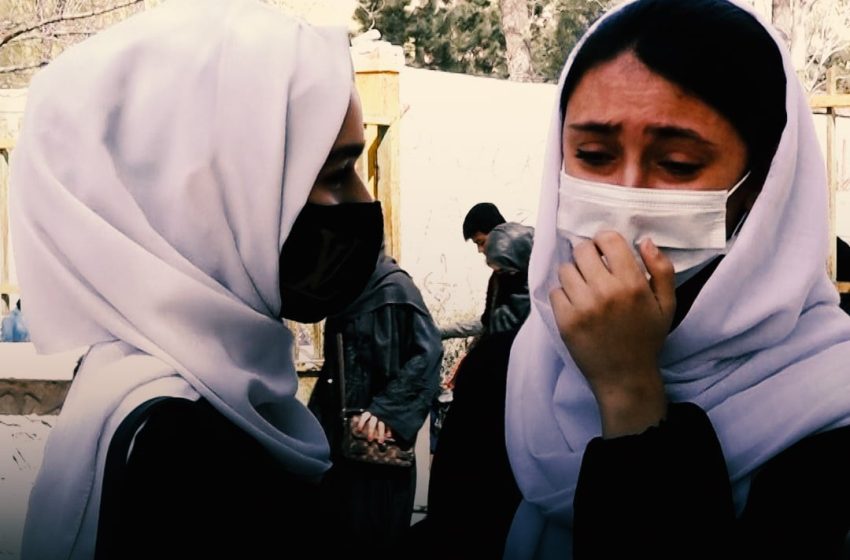
Four years into Taliban rule, the doors of schools and universities remain closed to girls above sixth grade. In effect, for 1,460 days, girls have been subjected to discriminatory policies that have deprived them of education. These restrictions have left many facing serious psychological problems and a host of other life challenges.
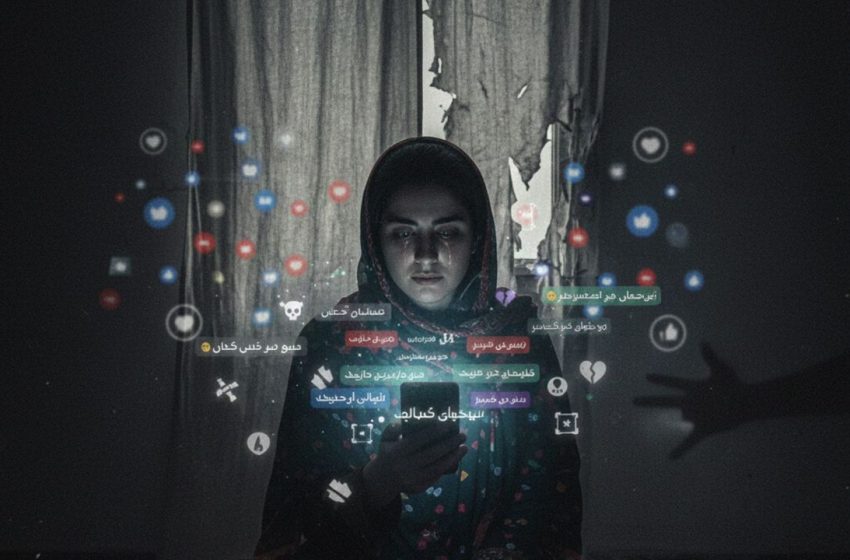
Severe depression, anxiety disorders, suicide attempts, and forced or underage marriages—often without consent—are among the most common consequences for girls since the closures began.
Salma, a resident of Nangarhar province who was in the 11th grade at a public school before the Taliban takeover, described the impact of the ban to Tawazon News. She said she missed school deeply, having studied for 11 years and being just one year away from the result of my efforts. Her family, who had dreamed of her becoming a doctor, saw those hopes destroyed. To prevent her from remaining idle at home, her father enrolled her in a madrasa for religious studies. What troubles her most, she says, is seeing girls who should have gone to school and university now being pushed into marriage.
Since the ban, the number of public and private madrasas has grown sharply. These institutions offer classes up to the 12th grade and issue certificates, but because their curriculum is focused almost entirely on religious subjects,they have been permitted to operate.
Hamida, a resident of Kabul, said her 14 year-old daughter Kulsum completed sixth grade in the second year of Taliban rule and was barred from continuing school. To fill the gap, she encouraged her daughter to attend a madrasa so she could complete the higher grades and obtain a 12th-grade certificate. Hamida hopes that one day Afghanistan will have a government that allows girls and women to study and work, enabling her daughter to use that certificate to enter university.
Statistics indicate that since the Taliban’s return, more than 21,000 religious schools for boys and girls have been established nationwide, mostly by senior Taliban members and their associates.
The replacement of regular schools and universities with religious institutions has alarmed social activists. Women’s rights advocate Shafiqa Khpalwak says it is unjust that girls are allowed to attend madrasas but not regular schools, stressing that religious education alone cannot meet the needs of modern society.
On August 15, four years after their return to power, the Taliban remain silent on the issue of girls’ education. Malika Azizi, a resident of Nangarhar who had been studying at a private university, says the restrictions have caused her severe psychological distress. Before the closures, she felt hopeful and envisioned a bright future. Now, confined to her home, she sees only uncertainty. The stress has taken a toll on her health, with doctors attributing her condition to prolonged psychological pressure—a situation she believes can only be resolved if universities reopen and she regains her right to education and work.
The ban has also pushed many girls into early marriage. Madihah, 20, from Kabul, had just graduated from high school when the Taliban came to power and wanted to continue her higher education, but eventually got engaged. Nargis, now 23, said her family pressured her to marry because they feared her age of marriage was passing and no one knew when education for women would resume.
Even vocational and semi-higher education institutes that some girls turned to after being excluded from universities have now been closed to them. Asma, from Nangarhar, was studying law and political science at university before the ban. Her family then enrolled her in a midwifery institute. Initially reluctant, she grew to love the field and was one semester away from graduation when that institute was also closed to girls.
The closures have not only affected students—female teachers and lecturers have lost their jobs and now face severe economic hardship. Sara (name changed), head teacher at a public school in Nangarhar, said dozens of female teachers have been dismissed, while those still working face constant threats of removal. A professor at Nangarhar University, speaking anonymously for security reasons, said that after universities were closed for women, female staff were told they would still be paid. Over time, their salaries were reduced to 2,500 Afghanis, and now even that has been stopped, with many suspended from their positions.
Before the Taliban’s return, 36% of Afghanistan’s teachers were women. That number has since dropped sharply, leaving thousands unemployed. In 2021, women made up 14% of faculty members in public and private universities; today, that figure is nearly zero.
Boys’ education has also suffered, with students reporting declining quality and discipline. Many say lessons are no longer systematic and that some teachers focus more on enforcing personal demands than on actual teaching.
In the final years of the Republic, Afghanistan’s higher education system was moving quickly toward modernization and improved quality. Universities held transparent digital examinations and offered both in-person and online learning options. The Taliban have since dismantled these systems, replacing them with paper-based attendance and exams.
Before August 2021, Afghanistan had 9.3 million school students, including 3.7 million girls—40% of the total—and 174,000 university students, of whom 36,500 were women (21%). Since then, more than 1.5 million girls have been denied schooling, with thousands more added to that number each year. The number of male students has also fallen significantly.
Four years into Taliban rule, there is still no clear commitment to reopening schools and universities for girls. Officials continue to claim they are working on a “safe mechanism” to allow girls to return, but no such plan has been implemented.