HRW: Afghanistan Faces One of the World’s Worst Humanitarian Crises
Tawazon – Human Rights Watch (HRW) warned that Afghanistan is facing one of the world’s worst humanitarian disasters, as the Taliban have deepened their repression since taking over Afghanistan on August 15, 2021, by intensifying restrictions on the rights of women and girls, detaining journalists, and silencing all dissent.
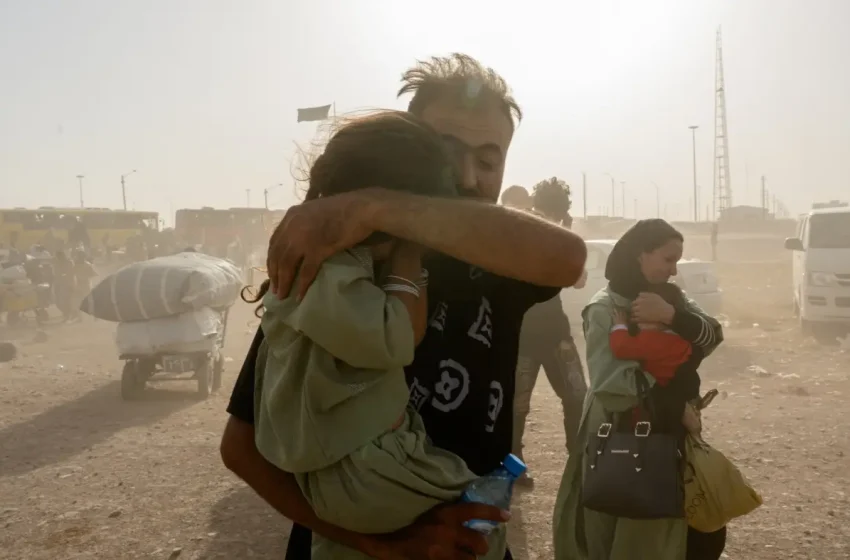
In a report released on Tuesday, August 5, the organization emphasized that Afghanistan’s crisis has been exacerbated by donor governments’ aid cuts and the return of 1.9 million refugees expelled from Iran and Pakistan.
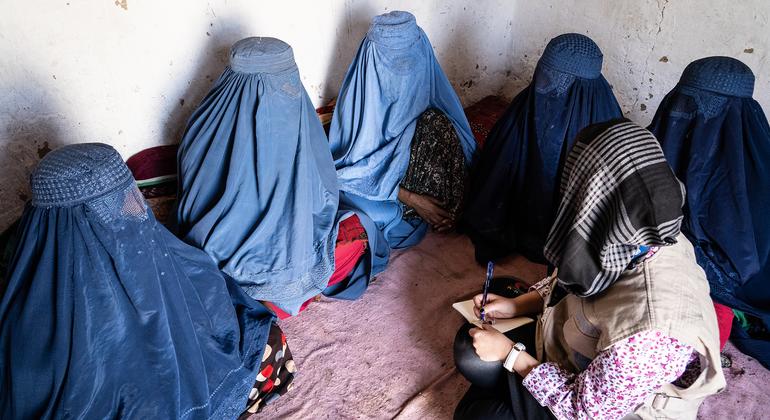
According to HRW, the Taliban’s severe restrictions on education, employment, mobility, and healthcare for women have not only stripped them of basic human rights but have also obstructed the delivery of humanitarian assistance. The report notes that on July 8, the International Criminal Court (ICC) issued arrest warrants for Taliban leader Hibatullah Akhundzada and Abdul Hakim Haqqani, the group’s Chief Justice, on charges of gender persecution as a crime against humanity.
HRW stresses that the fourth anniversary of Taliban takeover is a grim reminder of the gravity of the Taliban’s abuses particularly against women and girls, and a wake-up call for the international community to pursue accountability and ensure justice for victims of these systematic abuses.
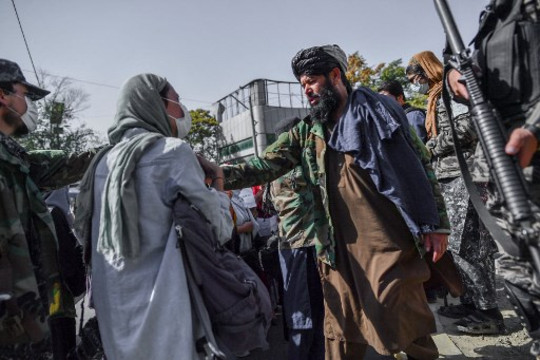
The report further highlights a 2024 Taliban decree enforced by the Promotion of Virtue and Prevention of Vice Ministry that stipulates rules on women’s clothing, behavior, and public presence. People have been have detained for alleged infractions of the law, such as playing music, wearing inappropriate hijabs, or failing to separate women from men in work environments. Female patients must now be accompanied by a male guardian to access healthcare services. These restrictions not only intensify the daily suffering of women, but also negatively affected the international aid operations.
A coalition of Afghan and international human rights organizations has urged the United Nations Human Rights Council to establish an independent international accountability mechanism for Afghanistan, to investigate, document and analyze the grave violations and abuses in Afghanistan.
Based on HRW’s report, the mass deportations of nearly two million Afghan refugees from Iran and Pakistan have further fueled the humanitarian crisis. Many of these individuals had fled Afghanistan due to security threats following the Taliban’s return to power. Meanwhile, Germany forcibly returned 81 Afghan migrants to Kabul on July 18, and the United States has ended temporary protected status for Afghans, and restricted its humanitarian parole programs.
The report also underscores a sharp decline in media freedom. Journalists operate under fear of retaliation and have resorted to self-censorship as the Taliban have tightened control over media. Even the broadcasting of images has been banned in many cases.
Adding to the crisis, the reduction of U.S. funding, which previously covered nearly 40% of Afghanistan’s humanitarian aid budget until January 2025, has devastated food assistance efforts. According to the United Nations, more than 400 health facilities have closed due to lack of funds, and online education programs for girls and women are now at risk of collapse.
Since August 15, 2021, when the Taliban seized control of Kabul, the country has witnessed unprecedented restrictions on women, civil society, media, human rights defenders, and minority communities. Despite widespread international condemnation, the lack of a strong accountability mechanism continues to enable Taliban impunity.