Toda Peace Institute Report Warns of Afghanistan’s Worsening Climate Crisis
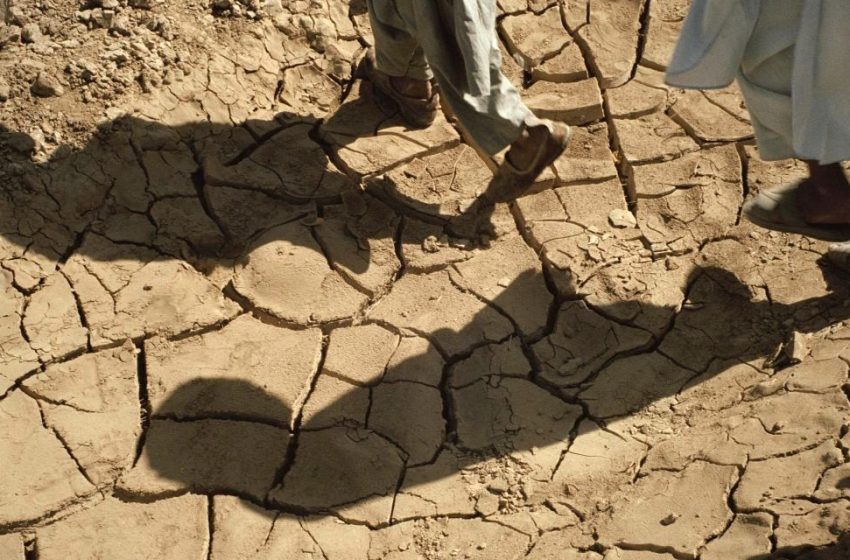
A new report by the Toda Peace Institute highlights Afghanistan’s worsening climate vulnerability as international aid declines. Despite facing extreme climate risks, the country remains among the least-funded for adaptation, alongside Chad, South Sudan, Somalia, and Yemen.
The Climate Adaptation Finance Index (CAFI) 2024 indicates that 90% of developing nations receive less adaptation funding than needed, with Afghanistan among those at the highest risk.
The report underscores Afghanistan’s repeated climate disasters, including the May 2024 flash floods in Baghlan province, which killed over 315 people and destroyed more than 2,000 homes. Agriculture, the backbone of Afghanistan’s economy, is severely affected by recurring droughts and floods, worsening food insecurity and pushing more people into poverty.
Climate-related economic losses range from $550 million in normal years to over $3 billion during severe droughts—figures that surpass the country’s $2.7 billion national budget.
Some have proposed that Afghanistan use its estimated $1 trillion in untapped mineral wealth for climate adaptation. However, the report finds this approach unrealistic due to an underdeveloped mining sector, insufficient infrastructure, and governance challenges. The Mes Aynak copper mine, one of the world’s largest, remains stalled despite a contract with a Chinese company.
The report calls for urgent international support and a decentralized approach to climate finance, urging donors to collaborate with local organizations. It warns that neglecting fragile states could exacerbate humanitarian crises and global instability.