UN Report Warns of Deepening Crisis in Afghanistan
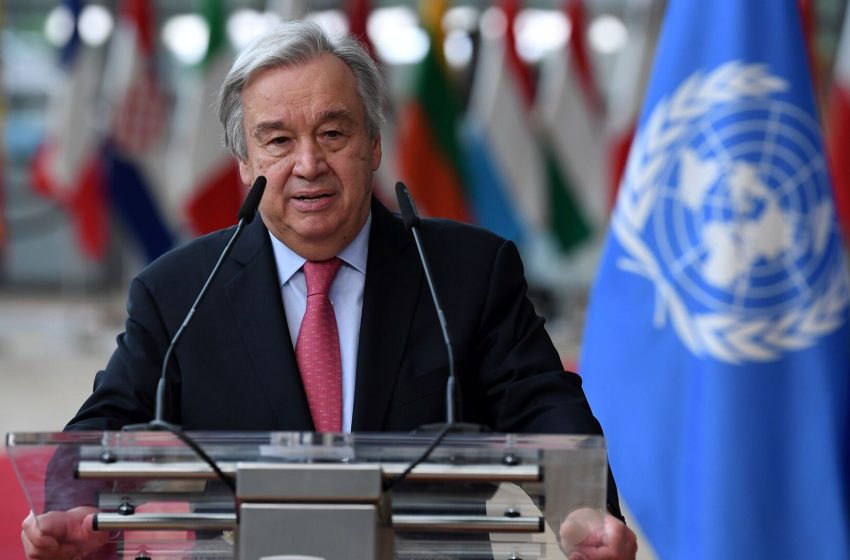
March 6, 2025 – The United Nations has raised alarm over Afghanistan’s deteriorating security, humanitarian, and economic situation in its latest report presented to the UN Security Council and General Assembly.
The report, prepared in accordance with General Assembly Resolution 74/9 and Security Council Resolution 2727 (2024), provides a quarterly update on Afghanistan’s situation and the implementation of the United Nations Assistance Mission in Afghanistan (UNAMA), including its operations at the subnational level.
The report documents a 16.8% decline in overall security incidents but a 129% surge in robberies. The Islamic State in Iraq and the Levant-Khorasan (ISIL-K) has escalated attacks, including the assassination of Taliban Minister of Refugees and Repatriation Khalil Ur-Rahman Haqqani inside the ministry in Kabul on December 11, 2024.
The humanitarian situation remains dire, with 22.9 million Afghans in need of aid, but only 16.8 million included in the 2025 response plan due to funding shortfalls. Food insecurity affects 14.8 million people, yet as of late January, only 3.5% of the required $2.42 billion in humanitarian aid had been secured. Meanwhile, 356,329 Afghan refugees returned from Iran and Pakistan between October 2024 and January 2025, with 173,506 forcibly deported.
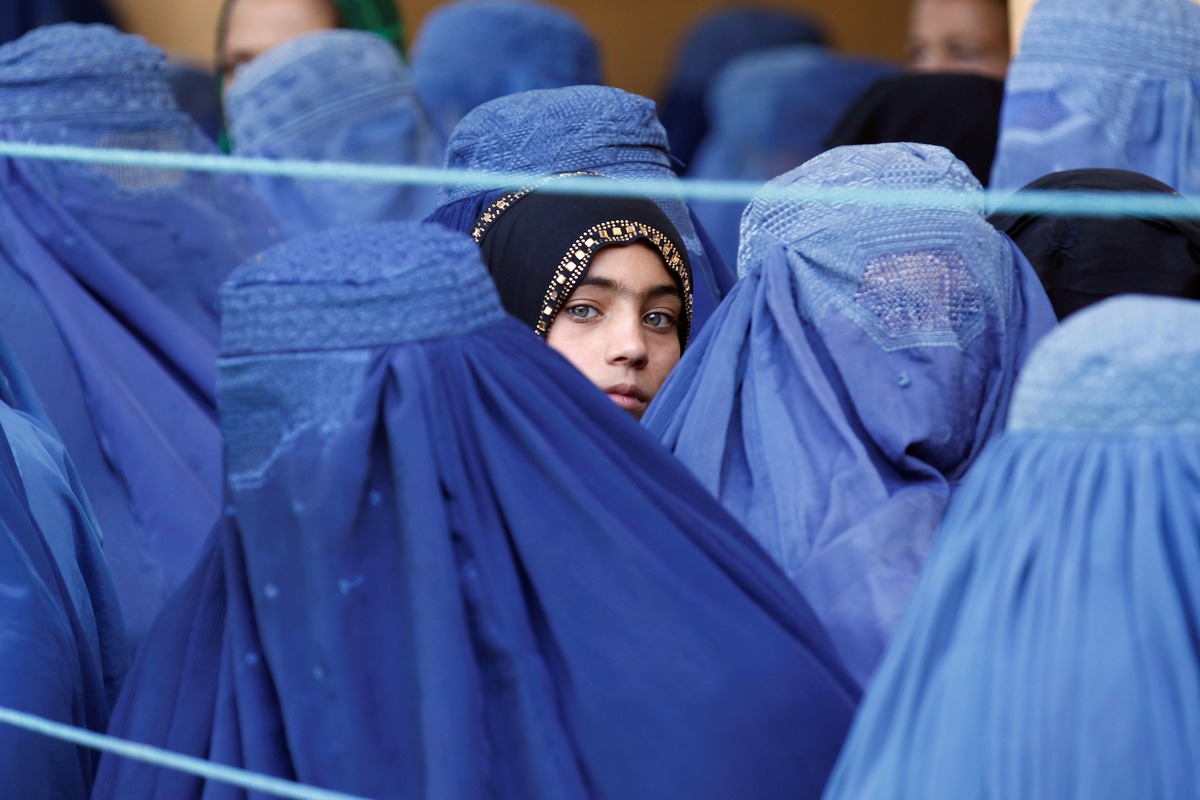
The Taliban has further tightened restrictions on women’s rights including banning women from medical education, including midwifery, nursing, and dental care. The prohibition on women working for NGOs was reaffirmed on December 26, with organizations warned of severe consequences for non-compliance.
The enforcement of the Law on the Propagation of Virtue and Prevention of Vice has led to the closure of small businesses such as private education centers, barbershops, tailors, and wedding caterers, exacerbating economic hardship.
Afghanistan’s economy remains fragile, despite a 2.7% growth in 2024, driven mainly by private consumption. However, unemployment and poverty remain widespread, housing costs have spiked, and imports surged by 40% while exports declined by 5%.
The UN has called for urgent international intervention, stressing the need for sustainable economic assistance, human rights protection, and diplomatic engagement to prevent further deterioration.