Herat Sees Progress on TAPI Project, Sparking Optimism Among Residents

Construction on the Turkmenistan-Afghanistan-Pakistan-India (TAPI) gas pipeline began eight years ago under the leadership of the then-presidents of these countries. However, progress stalled due to unknown reasons. On September 11, 2024, the Taliban announced the resumption of work on the project within Afghanistan.
Today (Monday, January 27, 2025), the Taliban governor’s office in Herat released a statement highlighting rapid progress on the project, reporting that six kilometers of the pipeline have already been extended across Afghan territory.
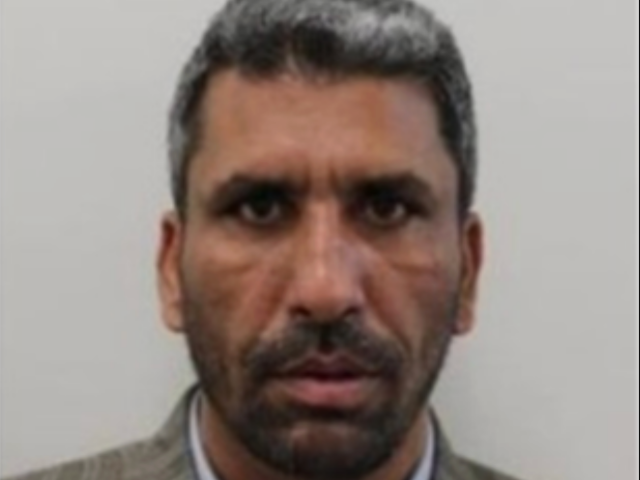
According to Mohammad Yousuf Saeedi, spokesperson for the Taliban governor of Herat, Maulana Islam Jar, the provincial governor, recently met with TAPI project director Abdullah Youf to discuss accelerating the pipeline’s construction. “The TAPI project director shared updates on the project, including the progress of extending six kilometers of the pipeline within Afghanistan,” said Saeedi.
Turkmen officials involved in the TAPI project estimate that its completion will create approximately 12,000 job opportunities for Afghans and generate an annual revenue of about $1 billion for Afghanistan.
Herat residents have expressed optimism about the project’s progress, hoping it will bring economic relief and reduce unemployment. Jamshid, a local resident, said, “In these difficult times of poverty and unemployment, implementing such projects is a positive step. If people are given job opportunities, the rate of migration through dangerous routes to neighboring and foreign countries will decrease.”
In addition to the gas pipeline, the TAPI project encompasses other infrastructure developments, including the installation of fiber optics from Turkmenistan to Afghanistan, the construction of a railway line connecting Herat city to Torghundi port, and the expansion of the Nurul Jahad substation to facilitate electricity imports from Turkmenistan.
The TAPI pipeline, spanning 1,814 kilometers in total, will pass through Afghanistan’s Herat, Farah, Nimroz, Helmand, and Kandahar provinces before continuing to Pakistan-controlled Balochistan and eventually reaching India.