UNAMA: Urgent Action Needed as Afghan Women Confront Unprecedented Restrictions and Violence
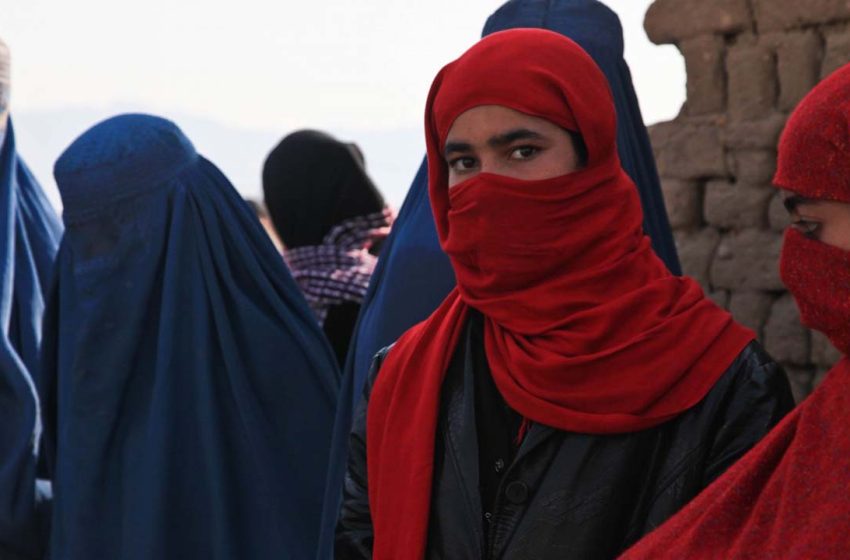
Tawazon – As the world marks the International Day for the Elimination of Violence Against Women and the start of the 16 Days of Activism against Gender-Based Violence, the United Nations Assistance Mission in Afghanistan (UNAMA) has called for renewed solidarity with Afghan women and increased investment in concrete support.
In a report shared on X, UNAMA stated that the number of Afghan women and girls at heightened risk of violence has increased by 40 percent in the past two years, leaving 14.2 million women now in need of protection and assistance.
According to the mission, Afghan women continue to face an unprecedented spectrum of violence, from the erosion of their rights and mobility to the daily threat of physical, psychological and economic harm. Their situation, the mission said, stands as one of the starkest reminders of how violence can take many forms and how quickly hard-won protections can disappear. Urgent global action is needed as rising risks of gender-based violence coincide with shrinking services and deepening aid cuts.
For Afghan women, violence is not only what is seen or heard, but also the silencing of their voices, the doors closed on their futures, and their rights taken away, said Georgette Gagnon, Officer in Charge of UNAMA and Deputy Special Representative of the Secretary-General in Afghanistan.
She added: As we urge Afghanistans de facto authorities to end restrictions on women and girls, we also call on the international community to maintain all avenues of critical support. Despite extraordinary obstacles, Afghan women continue to show remarkable courage, resilience, and leadership in their homes, communities, and civic life.
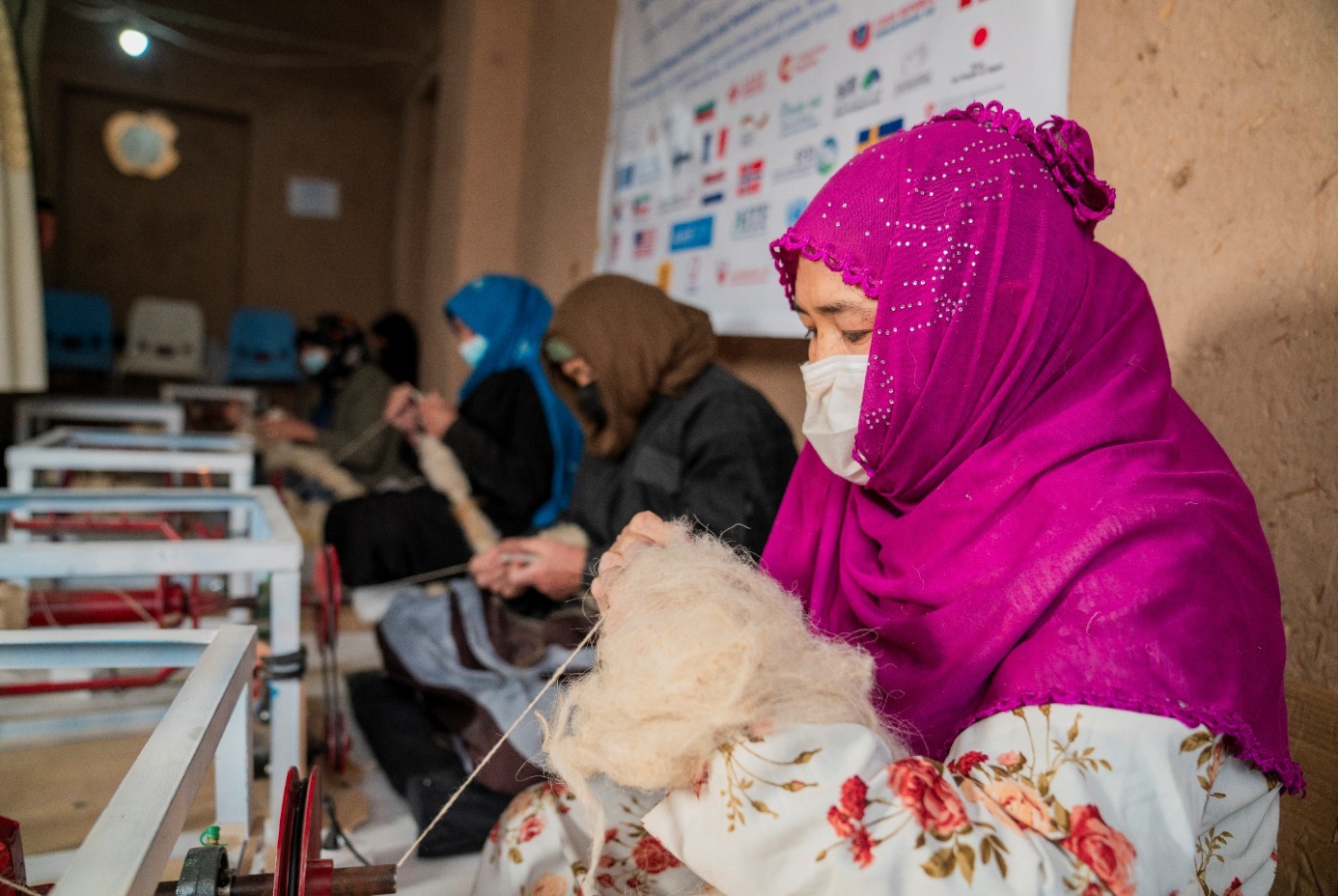
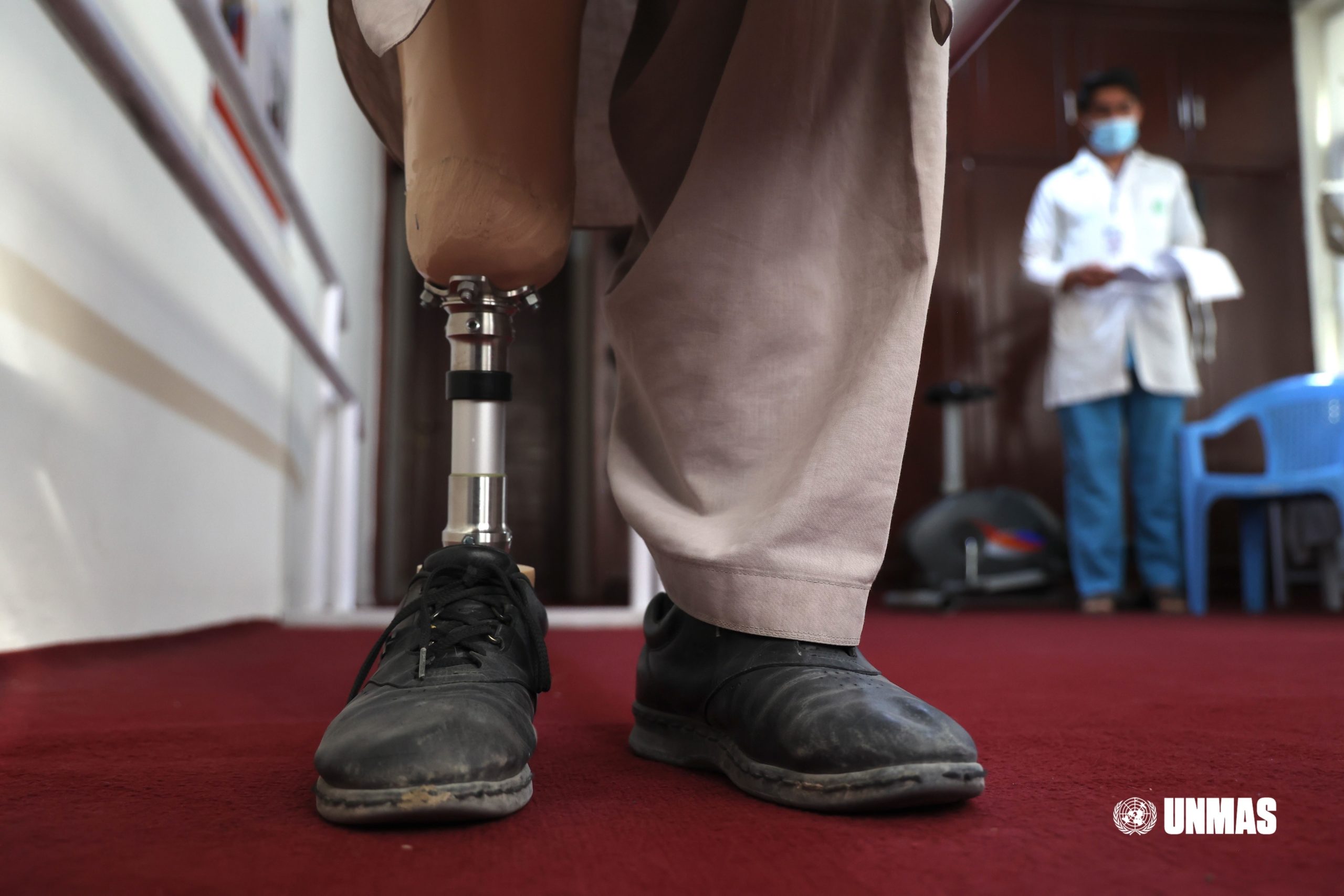
UNAMA reported that severe aid cuts have forced the UN and partners to close or reduce life-saving services including in protection, primary and mental health care, psychosocial support, safe accommodation, emergency assistance and legal counselling, as well as programs supporting womens economic empowerment. This year alone, women-led organizations in Afghanistan lost one-fifth of their budgets, with most reducing their activities as a result.
Susan Ferguson, UN Women Special Representative in Afghanistan, warned that reduced funds for women-led organizations, alongside unprecedented constraints and heightened surveillance, are limiting their ability to serve those most at risk. These organizations work courageously at the grassroots level to reach women and girls, and we must not abandon them, she said. Afghan women and girls are supporting each other, with the backing of men allies in local communities, and we must continue to stand with them. Their voices and contributions are essential to building a peaceful, stable, and prosperous Afghanistan.
This years global campaign theme, UNiTE to End Digital Violence Against All Women and Girls, highlights the critical role of digital connectivity for many Afghan women, especially for those seeking protection from violence, and the vulnerability of those without access to a phone or the Internet.
UNAMA stressed that the theme for the next 16 days of activism in Afghanistan, Still Together: Stand with Afghan Women, underscoring resilience and collective commitment and reflects the enduring strength of Afghan women and girls, as well as the UNs continued presence and delivery of essential services since August 2021.
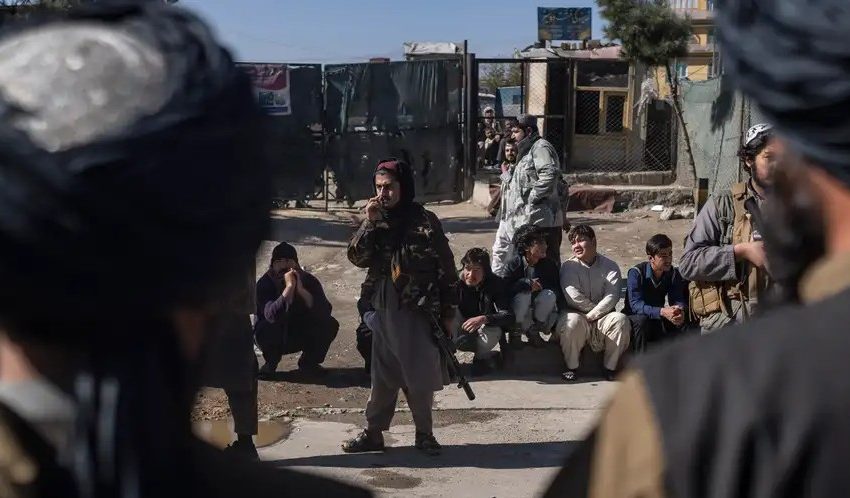
Afghan women and girls continue to face severe and systematic restrictions under the Taliban rule, including bans on education, employment and freedom of movement, conditions that have stripped them of fundamental rights and made life harsh and unbearable.
The United Nations in Afghanistan reaffirmed its call for renewed global solidarity with Afghan women and girls and increased determination to stand with them as they demand their rights, increased and flexible funding for gender-based violence prevention and response services, stronger support for women-led organizations, recognition of digital access as a critical protection tool, and investment in safe, inclusive, and secure digital spaces for women and girls, along with community-driven solutions that include male allies and local leaders committed to ending violence.