Human Rights Watch: Taliban Tramples Media Freedom in Afghanistan
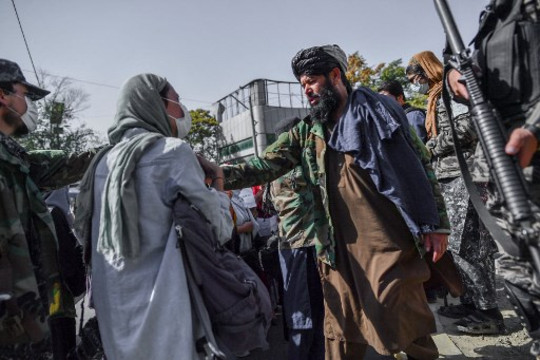
Tawazon – Human Rights Watch says the Taliban have gutted Afghan media since taking control of the country in August 2021 through the use of surveillance and censorship and by punishing media workers for perceived criticism.
In a new report, the organization said Taliban intelligence and the Ministry for the Promotion of Virtue and Prevention of Vice control every aspect of media work. Journalists are forced to produce “safe” content or risk imprisonment and beatings. Since seizing power in August 2021, the Taliban have turned Afghan newsrooms into spaces of fear and silence. Journalists who once freely reported on corruption, human rights, and women’s issues now work under surveillance.
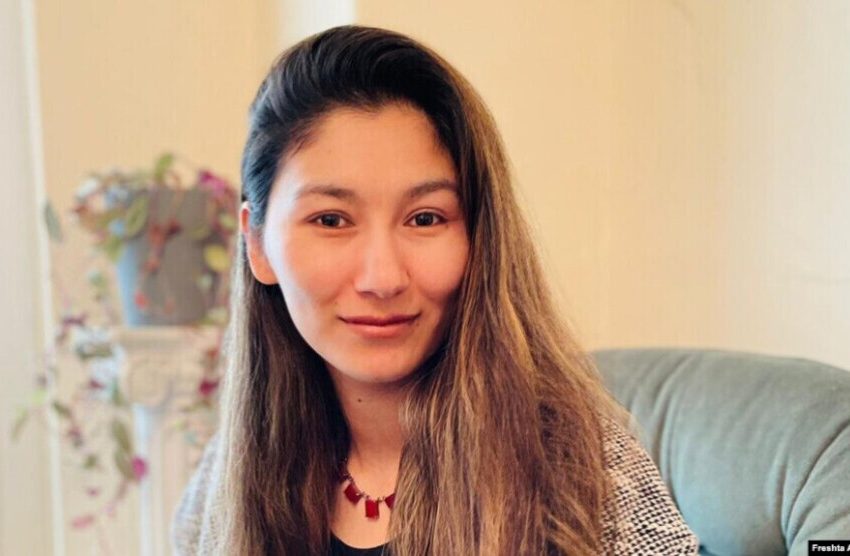
“Taliban officials increasingly compel Afghan journalists to produce pre-approved stories and punish those who step out of line with arbitrary detention and torture,” said Fereshta Abbasi, HRW’s Afghanistan researcher.
The report, based on 18 remote interviews with Afghan journalists in Afghanistan and 13 in-person interviews with Afghan journalists living in Türkiye as well as with Afghan refugee organizations, paints a grim picture of media repression. Reporters accused of working with media abroad or speaking with opposition figures face severe beatings and death threats. “We can kill you, and no one can even ask us why,” one detained journalist recalled being told by Taliban officials.
Human Rights Watch conducted 18 remote interviews with Afghan journalists in Afghanistan and 13 in-person interviews with Afghan journalists living in Türkiye as well as with Afghan refugee organizations.
The report documents severe abuses against reporters, including torture, threats, and ethnic discrimination. Some journalists said they were beaten with cables and suffocated during interrogations. Others were forced to sign pledges never to work again.
Women journalists have been among the most affected. In many provinces, no women reporters remain. Those still working face bans on interviewing men or appearing on television. In some regoins, even women’s voices are no longer allowed on air.
A female journalist from Herat said she was turned away from a public health event: “They told me women aren’t allowed. That was the last time I tried to report.”
The Taliban’s Ministry for the Promotion of Virtue and Prevention of Vice regularly inspects media offices to ensure strict rules are being followed, such as the separation of men and women, and bans on broadcasting women’s voices or showing their images. In some provinces radio stations have completely stopped airing any content related to women.
Journalists who defy these censorship rules face torture and imprisonment. Several reporters said they were beaten with cables, suffocated with plastic bags, and forced to sign written pledges to quit journalism. One Hazara journalist said his interrogators mocked him because of his ethnicity.
Ethnic minority journalists and those accused of having ties with exiled media face particularly harsh treatmnet. Some have disappeared for weeks without their families being informed of their whereabouts.
Human Rights Watch urged the Taliban to end arbitrary detentions, torture, and censorship, and to allow women to work freely in the media. The group also called on host countries, including Turkiye, Pakistan, the U.S., and EU states, to halt deportations and support Afghan journalists in exile with funding, training, and mental health care.
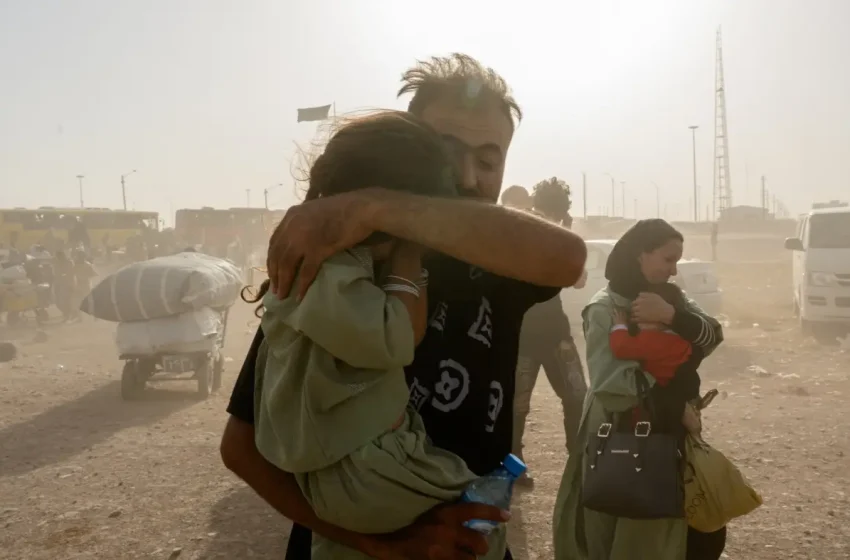
Afghan journalists in exile who fled Taliban persecution now face increasing threats of forced return to Afghanistan, where they fear retaliation.
HRW also warned that hundreds of Afghan journalists in exile are living in fear of deportation. Many in Turkiye and Pakistan have no legal protection,while others in the U.S. are at risk of losing status after temporary protections expired.
“The Taliban’s oppression of the media has intensified as the need for independent journalism grows,” Abbasi said. “Governments that promised to protect Afghan journalists must act now.”
Before the Taliban’s return, Afghanistan was home to hundreds of independent outlets and over 5,000 journalists. Today, most have shut down or fled. Those who remain face the impossible choice between silence and survival.