OCHA: 22.9 Million People in Afghanistan Need Urgent Humanitarian Assistance
Tawazon- United Nations Office for the Coordination of Humanitarian Affairs (OCHA) has reported that 300 million people across 73 countries required humanitarian aid by the end of September 2025. According to its newly released report, Global Humanitarian Overview 2025, OCHA said $45.34 billion in funding was requestd to support 181 million people in need.
Based on the report, only $9.57 billion, about 21% of the total requirement, has been funded, marking a 41% drop compared to last year. Global humanitarian funding has also fallen from $22.49 billion in 2024 to $16.09 billion in 2025, a 25% decrease overall.
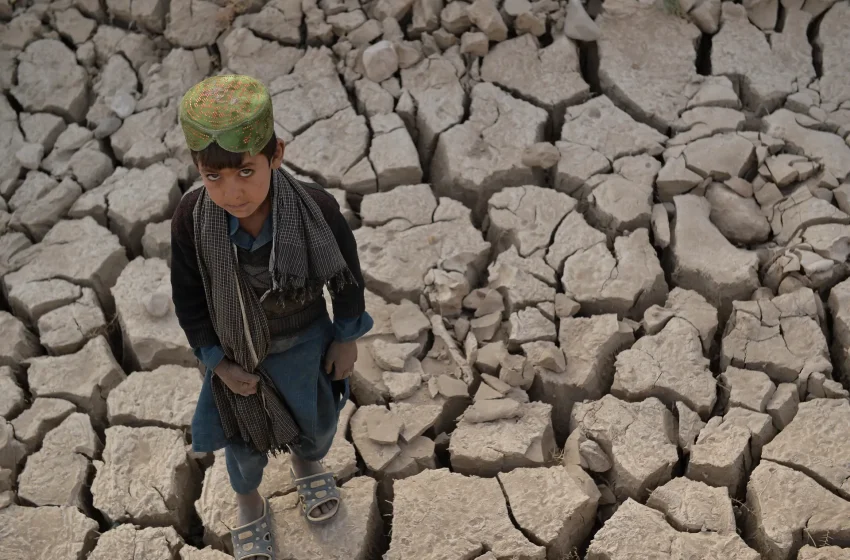
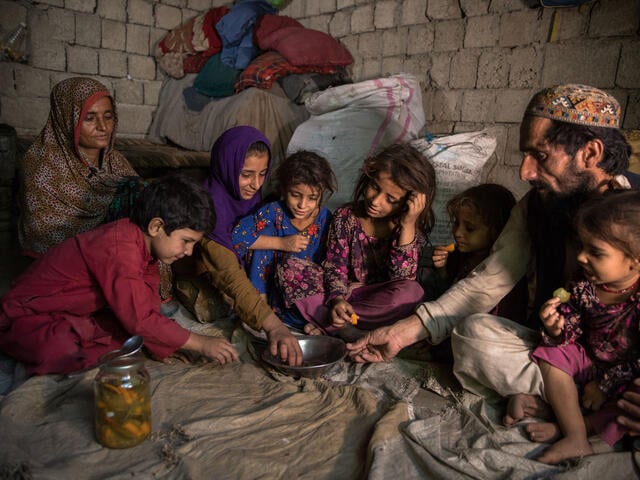
Afghanistan remains among the countries with the highest humanitarian needs. According to the Afghanistan Humanitarian Needs and Response Plan (HNRP 2025), 22.9 million people require assistance, while 16.8 million have been identified as target beneficiaries. The total funding required to support this population is estimated at $2.42 billion.
So far, only $15 million has been allocated through reserve funds and $127.2 million through regional programs,covering just 20% of the total requirement. The situation is further strained by ongoing economic crises, mass refugee returns, limited resources, and declining international aid, all of which continue to worsen Afghanistan’s humanitarian landscape.
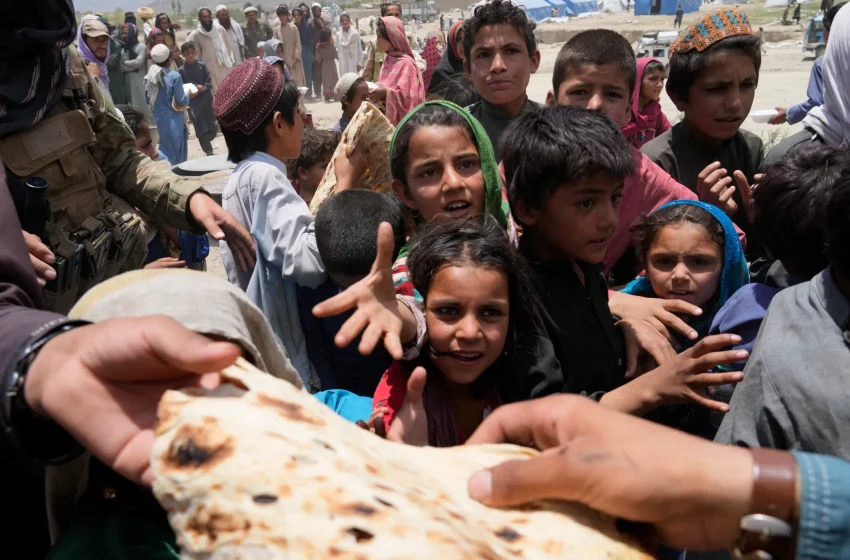
Globally, 114 million people are considered to be in urgent need of assistance, requiring about $29 billion. Funding for food security has seen a sharp decline, with only $3.35 billion provided, a 45% decrease from last year. Countries experiencing the most severe humanitarian crises, such as the Democratic Republic of the Congo and South Sudan, have seen aid drop by as much as 66%.
In September 2025, OCHA-managed pooled funds allocated approximately $79.3 million across 12 countries, including $58.3 million from country- and region-based funds and $21 million from the Central Emergency Response Fund (CERF). Afghanistan alone received $15 million through reserve allocations.
The sharp reduction in international assistance and insufficient funding are putting severe pressure on vulnerable populations, specially in Afghanistan, where millions rely on aid fo survival. Local humanitarian organizations and community networks remain on the front lines of the response, but stronger global support and increased funding are urgently needed to sustain their efforts.