Iran Extends Deadline for Afghan Migrants to Leave the Country Until September 5
Tawazon – Amid mounting pressure on Afghan refugees in Iran, Ahmad Masoumi-Far, representatives of Iran’s Foreign Ministry in Khorasan Razavi province, has announced that the deadline for Afghan migrants to leave the country has been extended until September 5, 2025.
Masoumi-Far warned that Afghan nationals who remain in Iran beyond this date will be subject to fines for illegal residency. He added that if migrants choose to leave Iran voluntarily after the deadline, their household belongings will also be subject to customs duties upon departure.
Previously, the Iranian government had set a deadline of July 5 (15 Saratan) for Afghan migrants to leave the country. However, Masoumi-Far told IRNA news agency that the deadline has been extended by another month due to a lack of infrastructure on the Afghan side and the extreme summer heat. He made these remarks following an official meeting with Noor Ahmad Islamjar, the governor of Herat.
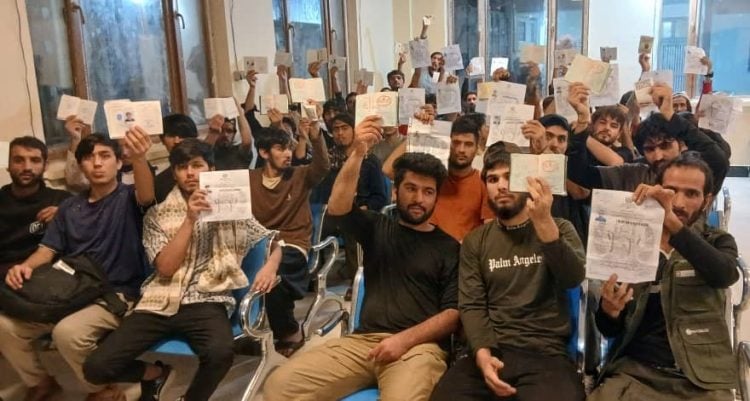
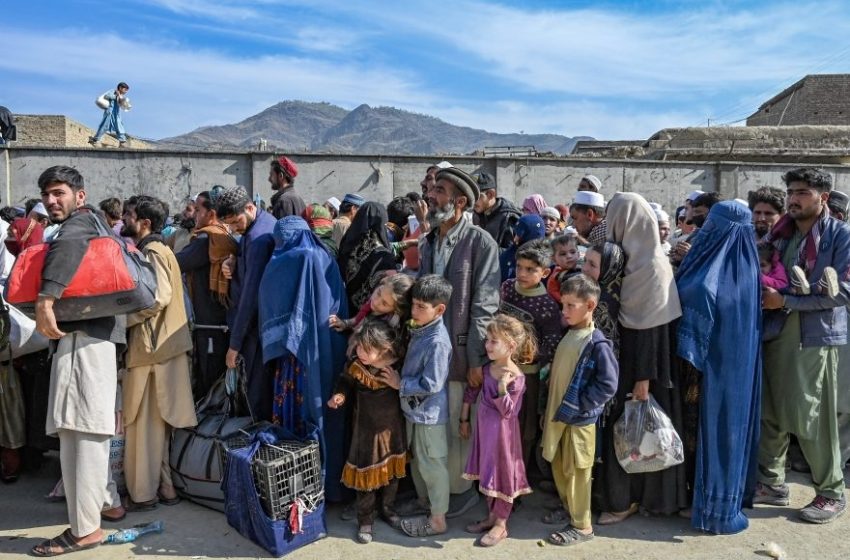
Despite the deadline extension, the mass deportation of Afghan migrants from Iran continues unabated. Iranian officials have confirmed that nearly one million Afghans have already been returned to Afghanistan, with tens of thousands crossing the western borders each day. According to Iranian authorities, over four million Afghan nationals are expected to leave the country; among them, approximately two million possess census registration documents, while the remaining are considered undocumented migrants.
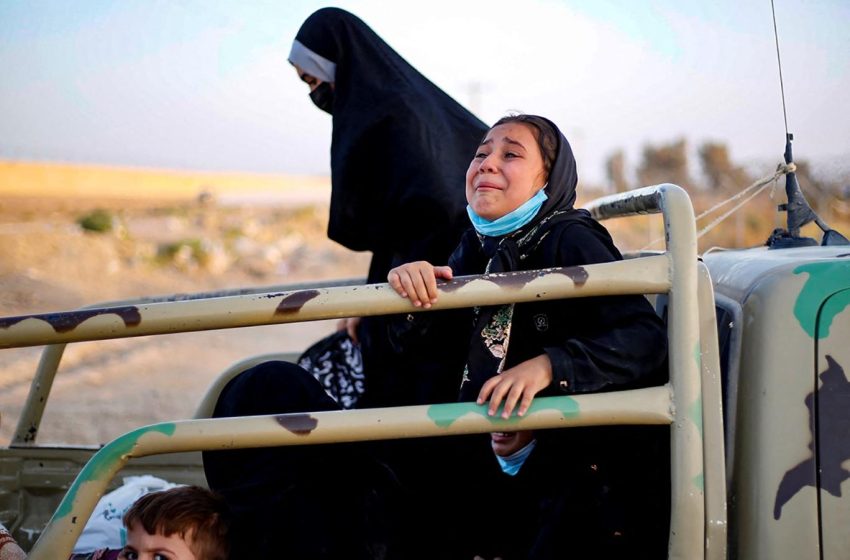
The pressure on Afghan migrants in Iran has escalated significantly, particularly in the aftermath of Iran’s recent military confrontation with Israel.Authorities have accelerated the detention, fining, and deportation of undocumented Afghans, with reports surfacing of mass arrests, harsh treatment, and the confiscation of migrants’ personal belongings across various provinces.
This intensified crackdown come at a time when Afghanistan is not prepared to absorb the growing number of returnees. The absence of a comprehensive reintegration plan, combined with deteriorating economic conditions and ongoing security concerns, has raised alarms about a looming humanitarian crisis along the country’s western borders.