U.N. Warns of Deepening Humanitarian Crisis in Afghanistan Amid Major Funding Shortfall
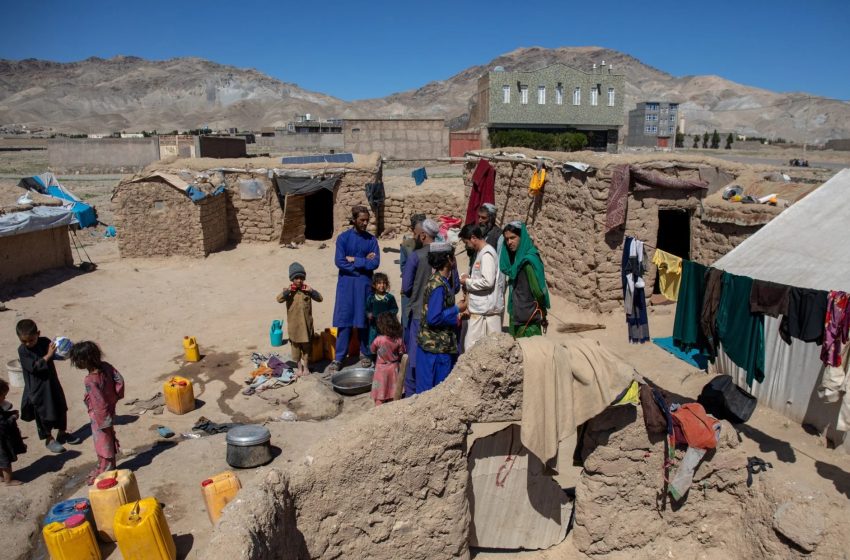
KABUL, Afghanistan — The United Nations has issued an urgent appeal for increased international support, warning that a widening funding gap is threatening to unravel critical humanitarian operations in Afghanistan, where an estimated 23 million people will require life-saving assistance in 2025.
In a report released Sunday, the U.N. Office for the Coordination of Humanitarian Affairs (OCHA) said that just 53 percent of the $3.06 billion required for Afghanistan’s 2024 humanitarian response plan has been secured—despite a wave of mid-year contributions in 2025. The shortfall, now estimated at $1.43 billion, could stall or even reverse fragile gains made in the past year, the agency warned.
“The international community must not allow Afghanistan to slide further into crisis due to a failure of funding,” the report stated.
OCHA’s Afghanistan Humanitarian Response Gap Analysis 2024 paints a sobering picture: While humanitarian actors managed to reach 22.4 million Afghans in 2024—exceeding the year’s target of 17.3 million—most of that aid came in the form of basic food support. Nearly two-thirds of recipients, or 67 percent, received only food assistance, often with reduced rations and infrequent distributions.
In stark contrast, more comprehensive support—such as access to clean water, medical services, education, and emergency shelter—reached only 3.1 million people, covering just 41 percent of the target population for those sectors.
The report underscores growing concerns about the long-term health and stability of the Afghan population. Continued shortfalls, particularly in water and sanitation services, have left communities increasingly vulnerable to disease outbreaks, malnutrition, and preventable deaths.
“Insufficient funding for core sectors continues to undermine the delivery of essential services and increases the vulnerability of Afghan families,” OCHA said.
Although late pledges as of May 2025 helped raise the total secured funding from 47 percent to 53 percent—equating to roughly $1.63 billion—OCHA noted that even an additional $412.5 million in carryover funds from 2023 has not been enough to close the funding gap.
The agency called for urgent international action to prevent a deepening of the crisis, cautioning that time is running out to meet the needs of millions of Afghans ahead of another potentially difficult winter.