Afghan Migrants Face Expulsion From Tajikistan as Iran and Pakistan Intensify Deportations
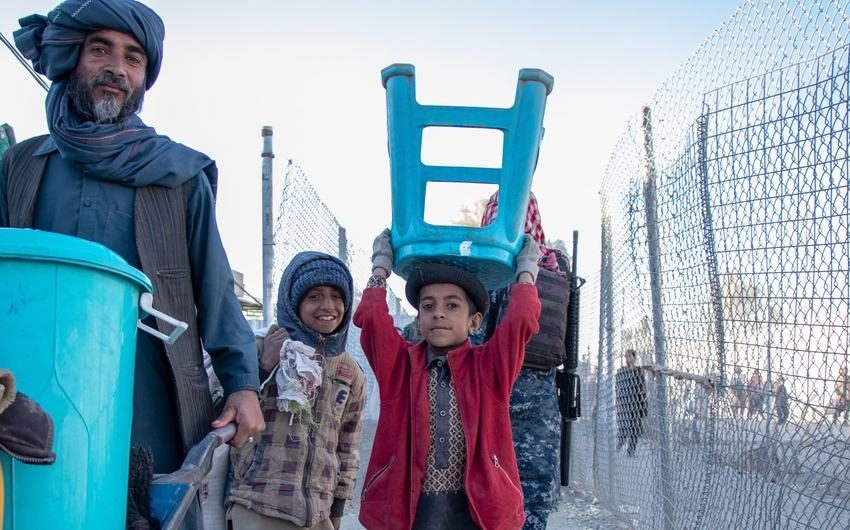
Tajik authorities have launched a sweeping campaign to detain and deport Afghan migrants, giving many just 15 days to leave the country, according to multiple sources familiar with the situation. The move aligns with a growing regional trend, as neighboring Iran and Pakistan also ramp up mass expulsions of Afghan nationals — a development that has alarmed human rights groups and international observers.
In recent days, security forces in Tajikistan have intensified operations in areas surrounding the capital, Dushanbe — particularly in Vahdat Township and Rudaki District — where dozens of Afghan men, many of them family breadwinners, have been detained without prior notice and forcibly returned to Afghanistan.
There are an estimated 13,000 Afghan migrants currently living in Tajikistan, many of them waiting for resettlement through third-country immigration programs, including Canada’s refugee initiative. A significant number fled after the Taliban seized control of Afghanistan in August 2021, fearing persecution for their affiliation with the former government or support for democratic values.
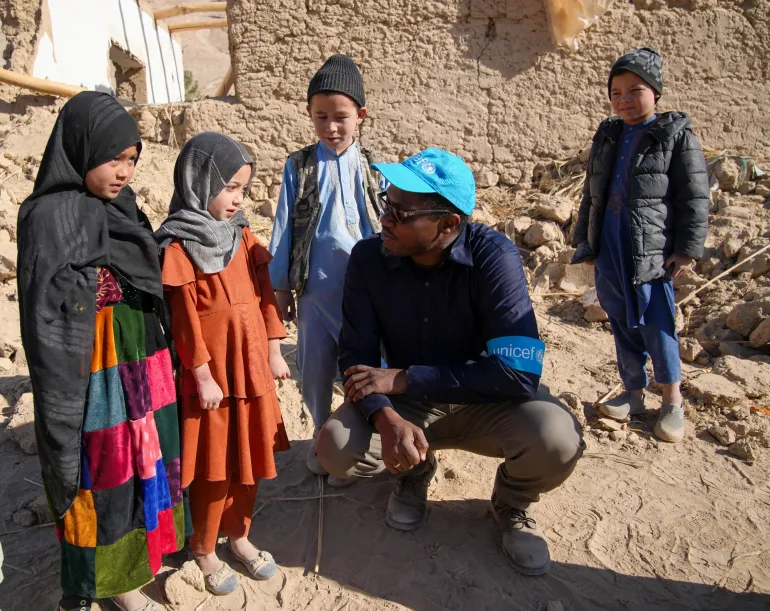
The United Nations Assistance Mission in Afghanistan (UNAMA) reported on Wednesday that nearly one million Afghan migrants have returned to Afghanistan since the start of 2025 — most of them deported from Iran and Pakistan, which have been conducting mass expulsions in defiance of international pleas for restraint. These returns often take place without due process or proper coordination with humanitarian agencies.
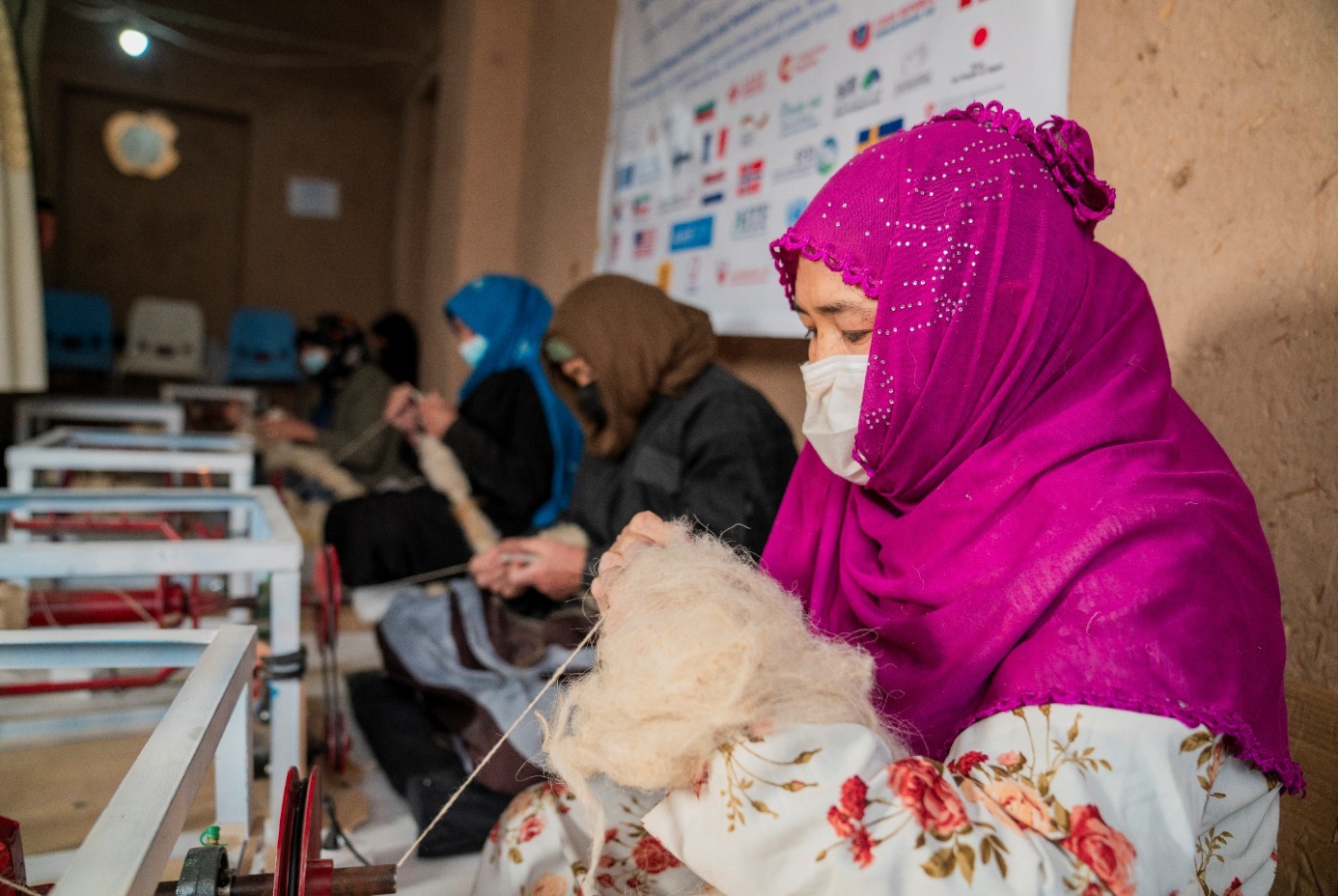
The situation for returning Afghans is increasingly dire. Many face homelessness, food insecurity, and lack of access to health services. For women and girls, the risks are even more acute. Under Taliban rule, Afghan women have been stripped of their basic rights, barred from education, employment, and public life.
Human rights organizations have repeatedly warned that forced repatriation places individuals — particularly former civil servants, military personnel, and activists — at grave risk. Reports continue to emerge of returned Afghans being detained, tortured, and even killed. In one recent case, three residents of Panjshir Province told Amu TV that Taliban forces arrested approximately 20 young men in June after they returned from Iran, accusing them of ties to anti-Taliban resistance groups.
“This wave of deportations represents a deepening crisis for Afghan refugees in the region,” said a senior humanitarian official, who asked not to be named due to the sensitivity of the issue. “The lack of legal protections, combined with the Taliban’s repressive policies, leaves these individuals trapped in a cycle of fear and displacement.”
Despite appeals from international agencies, Tajikistan now appears to be following its neighbors in accelerating removals. Rights groups are urging Central Asian governments to halt deportations and to honor their international obligations toward asylum seekers — particularly those at risk of political or gender-based persecution under Taliban rule.
As the refugee crisis grows, the United Nations and humanitarian organizations face mounting pressure to secure additional resources and resettlement pathways for Afghans stranded in increasingly hostile host countries. But for many families already caught in the deportation dragnet, help may come too late.