ACAPS Report: U.S. Aid Freeze Worsens Afghanistan’s Humanitarian Crisis
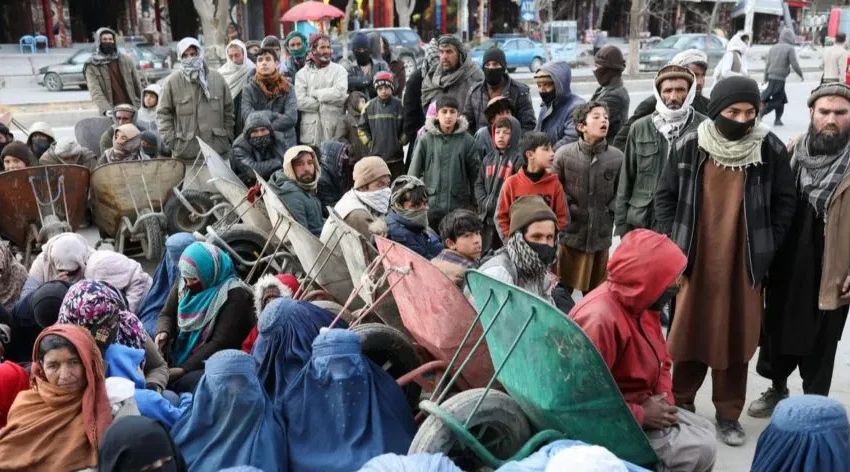
ACPAS says that the recent decision by the United States to freeze humanitarian aid to Afghanistan has raised serious concerns, as millions of Afghans depend on international aid and assistance for survival.
The suspension, announced earlier this month, affects food security, healthcare, and emergency relief programs, worsening an already dire situation in the country. As Afghanistan is facing one of the world’s worst humanitarian crises, the aid cut threatens to push more people into extreme poverty and food insecurity.
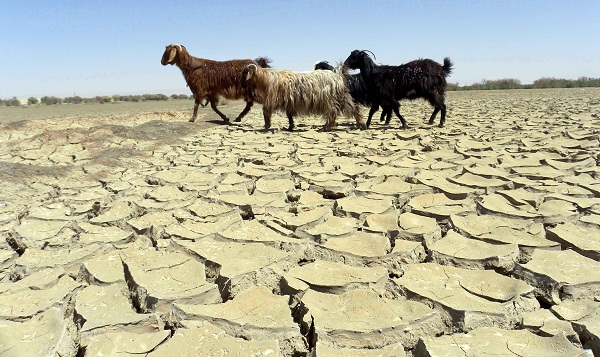
According to the latest reports, nearly 15.8 million Afghans are experiencing acute food insecurity, with about 3 million children at risk of severe malnutrition.
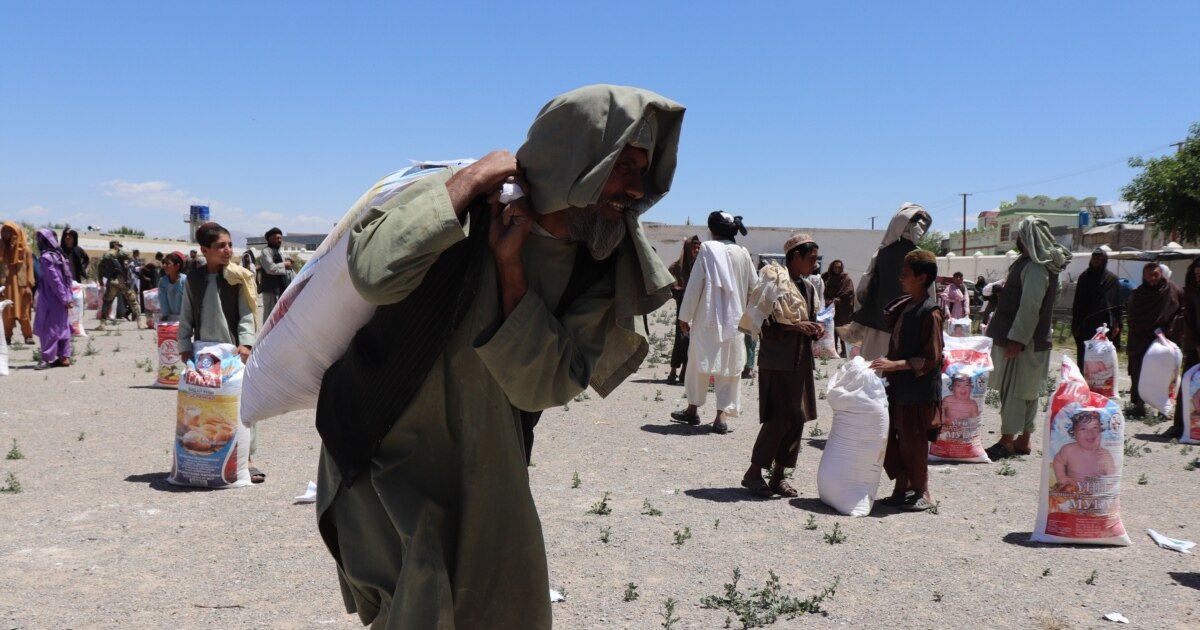
The World Food Programme (WFP) has already been forced to scale back food distribution due to funding shortages, and the latest U.S. aid freeze will further reduce essential supplies. Many families, particularly in rural areas, are now relying on one meal a day or resorting to extreme coping mechanisms, such as selling household items to buy food.
The healthcare sector is also severely affected, as much of Afghanistan’s medical infrastructure relies on international funding. The country has one of the highest maternal and child mortality rates in the world, and without continued support, critical healthcare services—including vaccination programs and maternal care—could be drastically cut. Many hospitals and clinics, particularly those in remote areas, may be forced to shut down, leaving millions without access to medical care.
The situation is even more challenging for humanitarian organizations operating in Afghanistan. The Taliban’s restrictions on female aid workers have already limited access to women and children in need, and now, with the aid freeze, many NGOs are struggling to maintain their operations.
The United Nations and several international relief agencies have called for a reconsideration of the aid suspension, warning that it could lead to a humanitarian catastrophe.
Some experts have suggested that alternative funding mechanisms, such as direct community-based aid, be explored to bypass Taliban control while still delivering crucial assistance.
Beyond immediate humanitarian concerns, the aid freeze is expected to worsen Afghanistan’s economic crisis, which has left over 80% of the population living below the poverty line. Since the Taliban takeover in August 2021, Afghanistan has been largely cut off from the global financial system, with frozen assets and international sanctions limiting economic recovery.
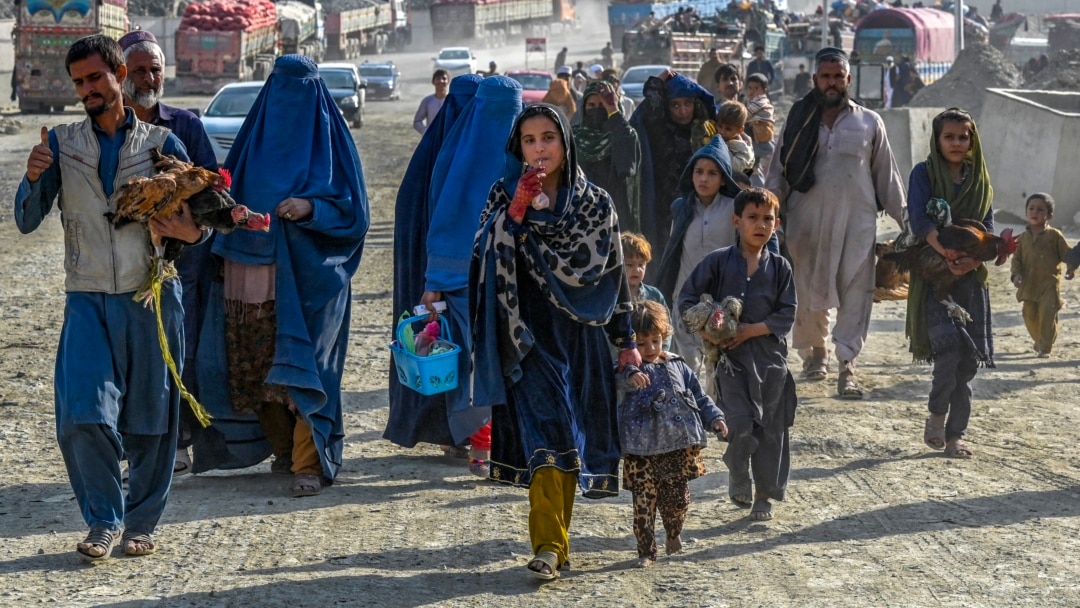
The latest aid cut could result in a new wave of migration, as thousands of Afghans seek refuge in Pakistan, Iran, and Europe. Both Pakistan and Iran have tightened border controls, fearing an influx of refugees that could overwhelm their own struggling economies.
The international community remains divided on how to support Afghanistan without strengthening the Taliban’s grip on power. Humanitarian agencies stress that aid should not be politicized, as millions of innocent civilians—especially women, children, and displaced families—are suffering. Without urgent intervention, Afghanistan’s humanitarian crisis could spiral further, leaving millions at risk of starvation, disease, and displacement.