ICC Prosecutor Seeks Arrest Warrants for Taliban Leader, Welcomed by Human Rights Experts
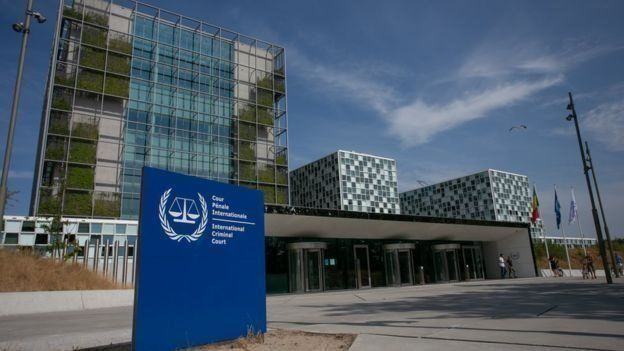
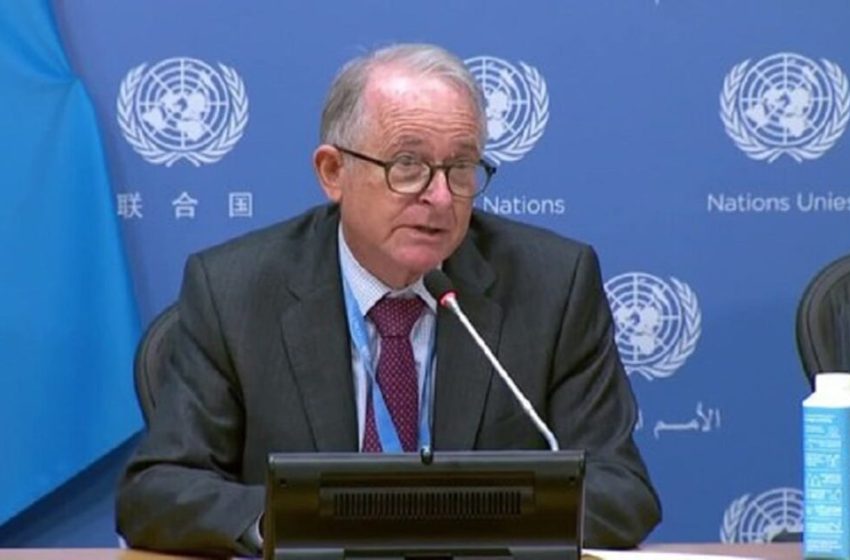
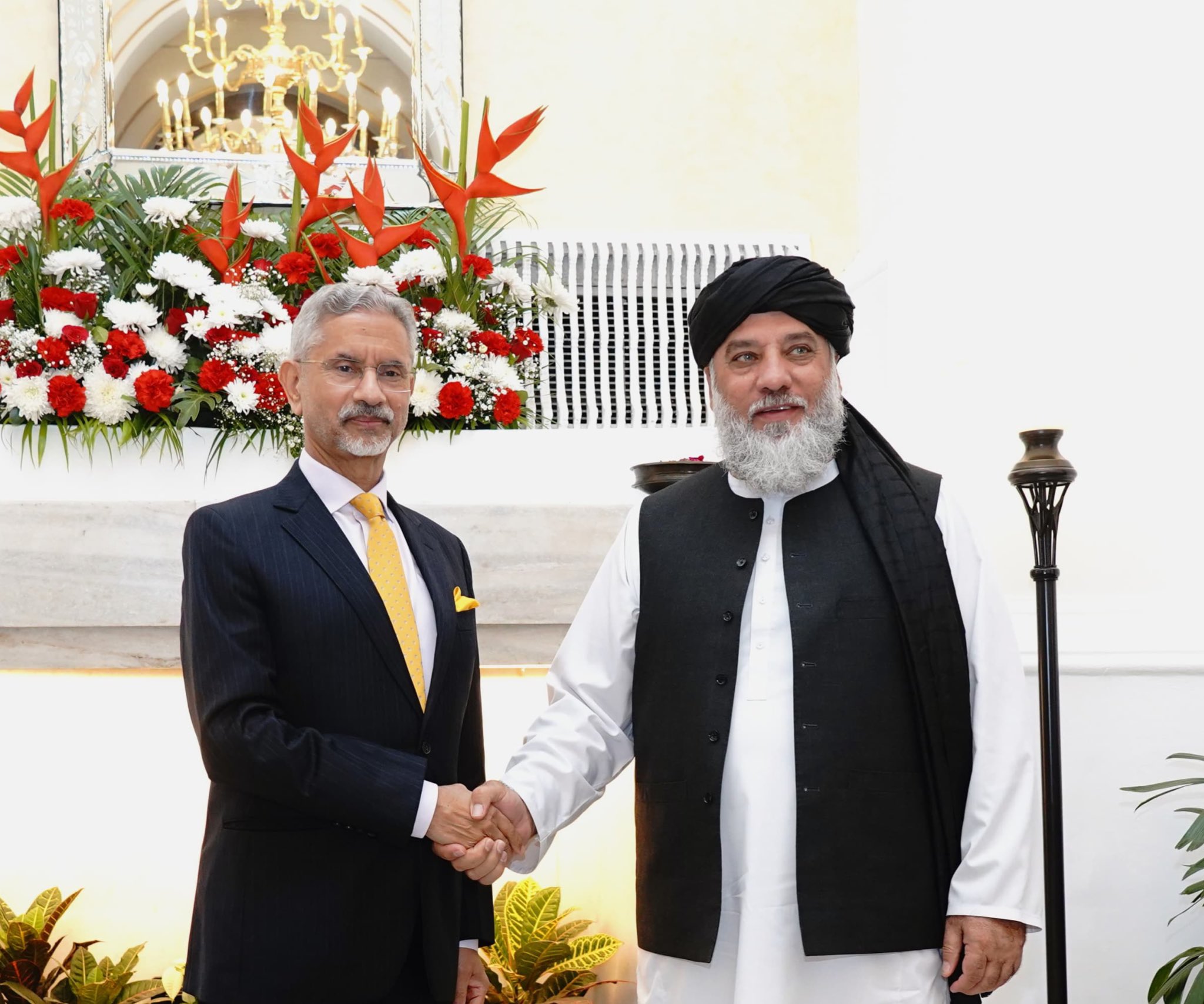
Richard Bennett, the UN Special Rapporteur on human rights in Afghanistan, along with other human rights experts, has welcomed the International Criminal Court’s (ICC) request to issue arrest warrants for Taliban leader, Hibatullah Akhundzada and Supreme Court Chief Justice, Abdul Hakim Haqqani.
The Office of the United Nations High Commissioner for Human Rights (OHCHR) released a statement calling the move “a critical step forward in the pursuit of justice for crimes against humanity committed against Afghans.” The statement emphasized that it sends a clear message to the Taliban leadership that they could be held accountable for international crimes, including gender persecution, and face potential arrest and trial.
OHCHR also applauded the ICC Prosecutor’s focus on gender-based crimes, which have long been overlooked despite being recognized under the Rome Statute. “By seeking these arrest warrants, the Prosecutor has made it clear that such crimes are serious and will not go unpunished,” the statement noted.
Human Rights Watch, in a post on X (formerly Twitter), called the ICC’s action a critical reminder of the Court’s central role in delivering justice. Similarly, Naseer Ahmad Faiq, Chargé d’Affaires of Afghanistan’s Permanent Mission to the United Nations, described the move as a source of hope for Afghan women and girls, signaling a potential end to their oppression and a brighter future.
The ICC Prosecutor, Karim Khan, highlighted in his statement that the ongoing persecution by the Taliban involves severe violations of fundamental rights, including the right to education, free movement, free expression, physical integrity, and family life.
While many human rights activists and organizations have hailed the ICC’s action as unprecedented in addressing the rights of Afghan women and girls, the Taliban’s Ministry of Foreign Affairs dismissed the allegations as “unfortunate and baseless.”
This development comes as the international community intensifies its efforts to hold the Taliban accountable for crimes against humanity, particularly gender-based persecution.