UN: Four Years of Educational Ban on Afghan Girls Threatens Economy and Future Generations
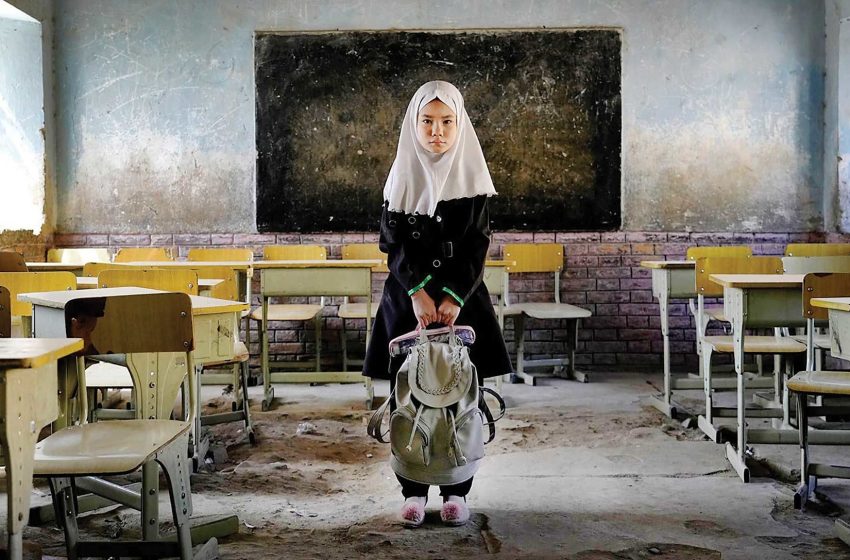
Tawazon – Education Cannot Wait (ECW), a global fund for education in emergencies, once again urged the international community on Wednesday, September 17, to respect Afghan girls’ right to education and ensure their return to school.
In a statement, ECW said world leaders must coordinate with the Organization of Islamic Cooperation (OIC) to unite religious scholars and Muslim leaders against the ban and press for its reversal. The agency stressed that the ban represents a “humanitarian catastrophe” with devastating consequences for Afghanistan’s future generations.
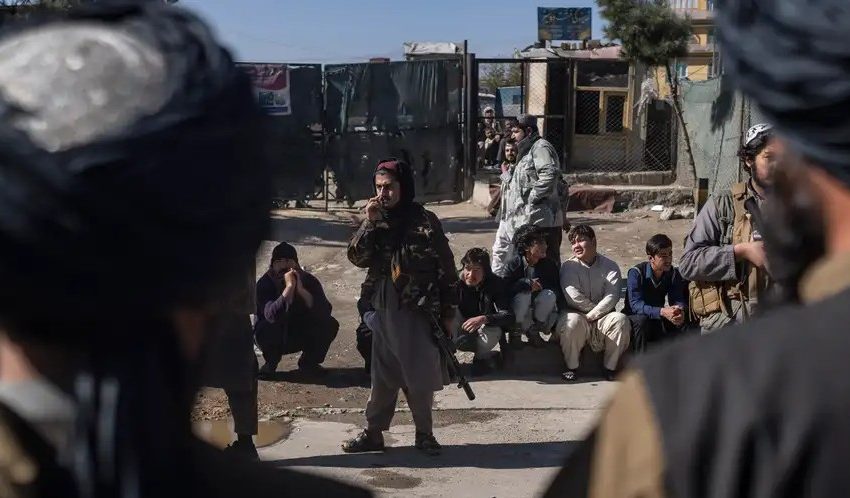
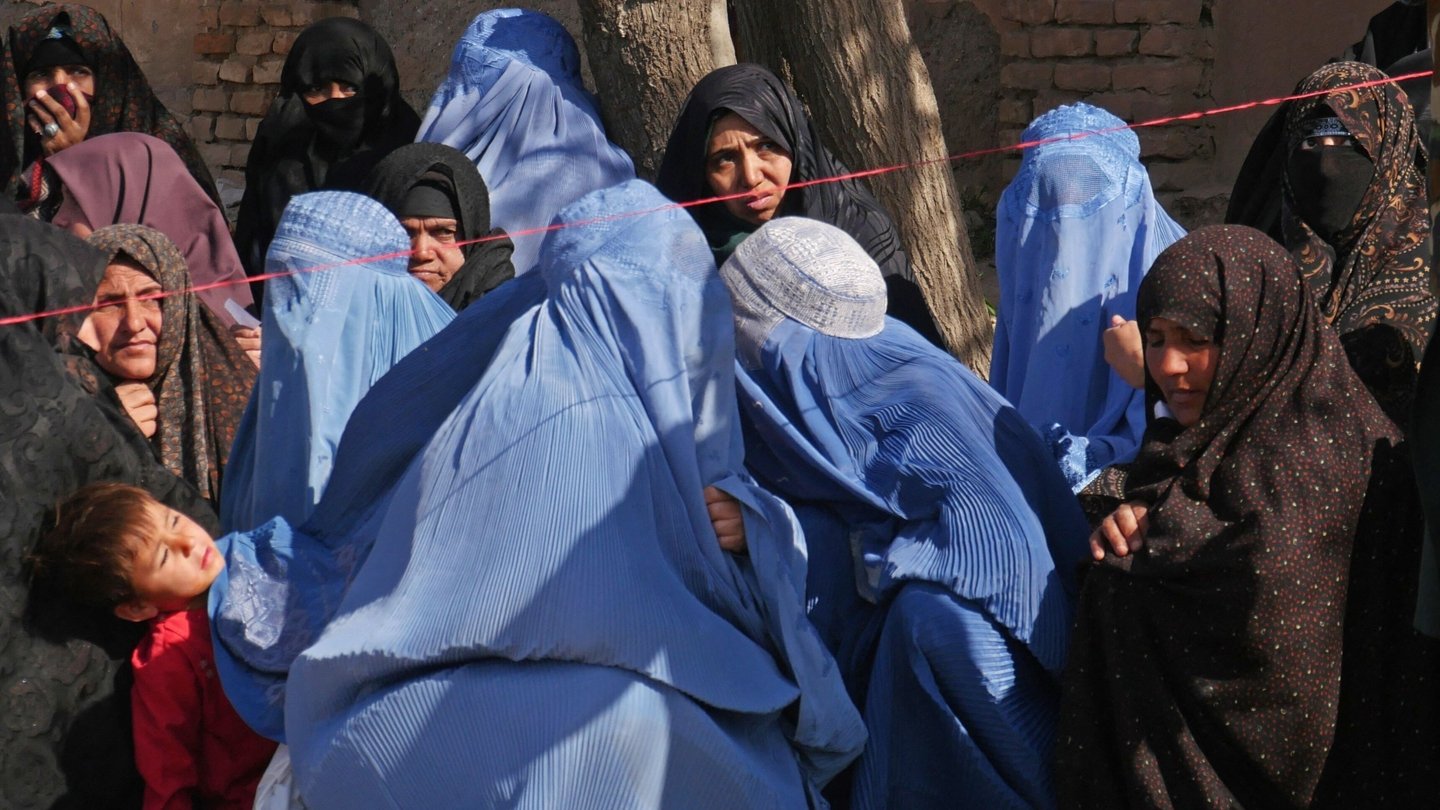
According to ECW, more than 2.2 million Afghan girls have been denied secondary education since the ban. UNESCO reports that nearly seven million Afghan children are now deprived of schooling due to the ban and other restrictions.
UNICEF has warned that the decision will have severe negative effects on Afghanistan’s economic future. UNESCO estimates that if the ban continues, Afghanistan’s GDP will shrink by around $1.5 billion by 2030, with losses rising to nearly $9.6 billion by 2066.
A recent UN Women survey shows that 92 percent of Afghans support secondary education for girls. ECW emphasized that the voices of Afghan girls must be heard, quoting their messages:“I want my school and classroom back. I want my books back. I want my classmates back. I want my freedom back. I want my life back.”
ECW said it has so far, with the help of strategic partners, provided safe, quality, and hope filled education for nearly 300,000 Afghan children- 54 percent of them girls. The fund has invested over $90 million in community-based education programs across underserved and remote areas, as well as urgent educationalinitiatives for adolescent girls excluded from the formal system.
The statement added that despite Afghanistan’s deep educational crisis, the international community must not cut off support. Instead, it should strengthen community-based education programs, which not only provide access to learning for girls and boys but also offer mental health and psychosocial support to children living under fear and insecurity.
According to ECW, investing in Afghan girls today means ending injustice and poverty while securing a brighter, more stable future for generations to come. The agency called on donors, governments, and organizations to continue supporting Afghan girls and take concrete actions to guarantee their right to education.
The Taliban closed secondary schools for girls on September 18, 2021. Despite ongoing international pressure, the group has not reversed the decision, nd instead has imposed further restrictions. On December 20, 2022, the Taliban also barred Afghan women from universities, a ban that remains in place.