Afghanistan’s Economic Situation: Four Years After the Taliban’s Return to Power
Tawazon – Four years after the Taliban’s return to power, Afghanistan’s economy remains in deep crisis. Reports published by the United Nations Development Programme (UNDP), the World Bank, the Office for the Coordination of Humanitarian Affairs (OCHA), the United Nations Children’s Fund (UNICEF), and the Data for Afghanistan website indicate that, despite receiving nearly 13 billion US dollars in international aid, the mass dismissal of government employees, particularly women, and the weakening of administrative institutions have left about 39 million people in Afghanistan facing poverty, unemployment, and an uncertain future.
According to these reports, over the past four years the Taliban have earned about 406 million US dollars from mineral extraction, yet no report has been released on how these revenues have been spent or the level of transparency involved. Although the country’s economic turnover has reached roughly 3 billion US dollars, there is no sign of poverty reduction.
Unemployment: A Hidden Crisis and Public Propaganda
Since the Taliban’s takeover, thousands of government employees—especially women—have lost their jobs, directly affecting household incomes. According to Data for Afghanistan, the unemployment rate rose from 12% in 2021 to over 16% in 2024. Projections suggest that this figure will remain the same or even increase in 2025.
The International Labour Organization (ILO), in a report published by the World Bank on 7 January 2025, warned that by mid-2022 more than 500,000 jobs in Afghanistan had disappeared, and in the worst-case scenario this figure could reach 900,000.
The World Bank also reports that one-third of Afghan youth aged 15–40, especially women, are unemployed, with the female unemployment rate being almost twice that of men.
Farzana Ahmadi, a former teacher in Kabul, says: “Since the Taliban came, girls’ schools have been closed and I was dismissed from my job. I have been unemployed for four years. There is no help, no way to live.”
Abdul Rauf Sadat, a day laborer, says: “The market is dead—no work, no projects. Every day I stand by the roadside, but no one hires us. Poverty is growing daily.”
Jamaluddin Arabzada, an economics graduate, adds: “No job opportunities have been created for the youth. I am now a street vendor. The private sector is inactive, and the government has no program for employment.”
Poverty: The Result of Political Isolation and Failed Economic Policies
According to Data for Afghanistan, the poverty rate rose from 44.13% in 2021 to 65.16% in 2024. This upward trend reflects the challenges stemming from political instability, reduced investment, the halt of most international aid, and widespread unemployment.
In a 9 September 2021 report, the UNDP warned that Afghanistan was on the brink of entering a stage of widespread poverty. Using a Computable General Equilibrium (CGE) model, the agency assessed various scenarios and stated that the country’s real GDP had dropped by 13.2%, and the poverty rate would rise by 26%.
Likewise, OCHA, quoting Radio Azadi on 3 August 2025, warned that around 23.7 million Afghans are expected to live below the poverty line in 2025.
Meanwhile, a Data for Afghanistan report published on 2 August 2024 indicated that in 2013, the poverty rate was only 26.46%. This steady rise over more than a decade highlights the depth of the economic crisis and its pressure on people’s lives—today, more than half the country’s population lives below the poverty line.
The Human Face of Poverty and Unemployment in Afghanistan
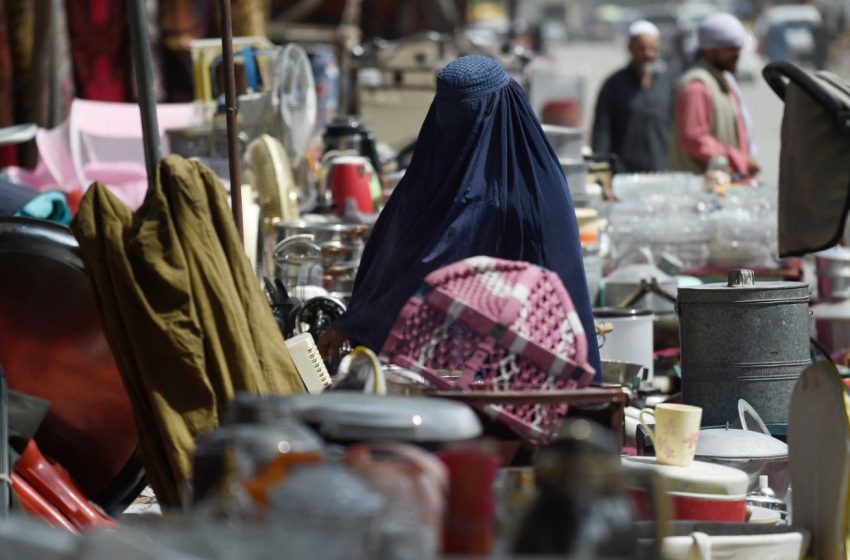
Shafiqa, a mother of six from Kabul, lost her husband in a suicide attack during the previous government, says she is the sole provider for her family and after the Taliban’s return and the imposition of severe restrictions on women’s participation in the labor market, her life has become even harder: “I spend my days and nights in hardship. Now I can’t even afford flour or cooking oil.”
Gol-Maki, another woman facing extreme poverty, says: “I am struggling with severe economic problems. I can’t provide proper food or clothing for my children.” Sharifa, living in a mud house without basic facilities, complains of her dire economic situation: “We don’t even have dry bread to eat. I am asking for help from relief agencies operating under Taliban rule.”
Experts’ Views on the Economy
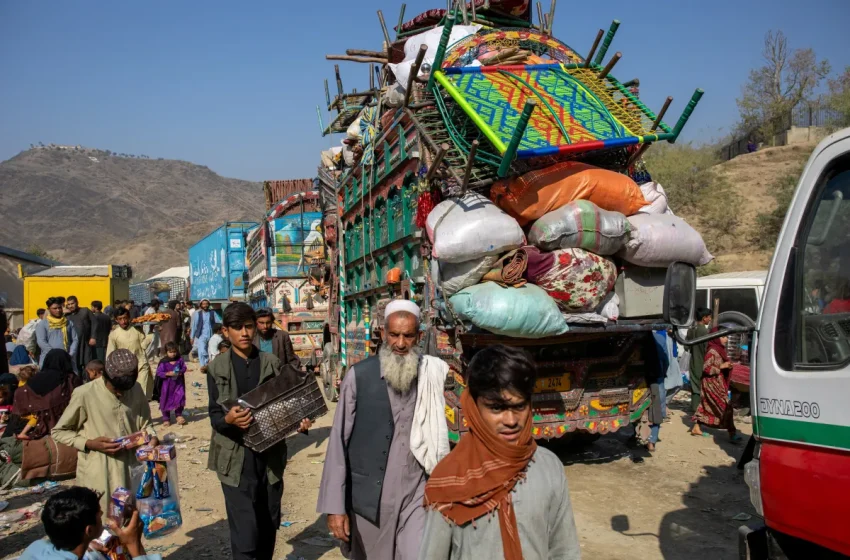
Qutbuddin Yaqubi, an economic analyst, believes that the absence of independent decision-making bodies, lack of transparency in the use of national revenues, an overemphasis on mining without accountability, the decline in global aid, and the forced return of migrants from neighboring countries are the main drivers of rising poverty and unemployment.
Another analyst, Shakib Mir, rejects the Taliban’s claims of reducing poverty and unemployment: “Afghanistan has one of the highest poverty and unemployment rates in the world. This is the result of ineffective policies and the mass dismissal of government employees. in 2025. As long as the Taliban do not abandon their repressive policies and provide employment opportunities for citizens, not only will poverty and unemployment fail to decrease, but public dissatisfaction will grow.”
Contradictory Statistics and Lack of Transparency
On 14 May 2025, the Taliban’s Ministry of Finance announced that the new fiscal year’s budget would be funded entirely from domestic resources. However, no details were provided regarding the structure of the ordinary and development budgets.
Internal sources report that to cover the budget deficit, many government departments have been forced to reduce staff, leading to the unemployment of more than 300,000 employees.
Furthermore, the Taliban’s Ministry of Mines, in a program titled “One-Year Achievements,” calimed that in the past four years it had signed 175 mining contracts worth 10 billion Afghanis, plus 42 smaller contracts. Yet it has not explained how this revenue was spent or why international agencies are barred from monitoring these projects.
The Taliban’s Ministry of Economy has also stated that 1,619 projects worth 695.7 million US dollars have been implemented in cooperation with domestic and foreign institutions. However, information on how many jobs these projects have created and the extent of public access to them has not yet been released.
Final Assessment: Afghanistan’s Economy Under Four Years Taliban Rule
Four years after the Taliban’s return to power, Afghanistan’s economy has deteriorated into structural, administrative, and human collapse. Poverty has risen from 26% in 2013 to over 65% in 2024, and unemployment has increased from 12% to 16% with nearly 900,000 jobs lost.
Despite Taliban claims of funding the budget from domestic resources, the lack of transparency in managing these revenues, public distrust, and the absence of independent oversight cast serious doubt on the government’s economic effectiveness.
Eventually, the lived experiences of Afghans, marked by poverty, unemployment, uncertainty, and lack of support, show the human toll of the crisis. Without fundamental change in policies, economic structures, and engagement with the international community, the crisis will persist.