Lack of Aid Puts Returned Afghan Women’s Lives at Serious Risk
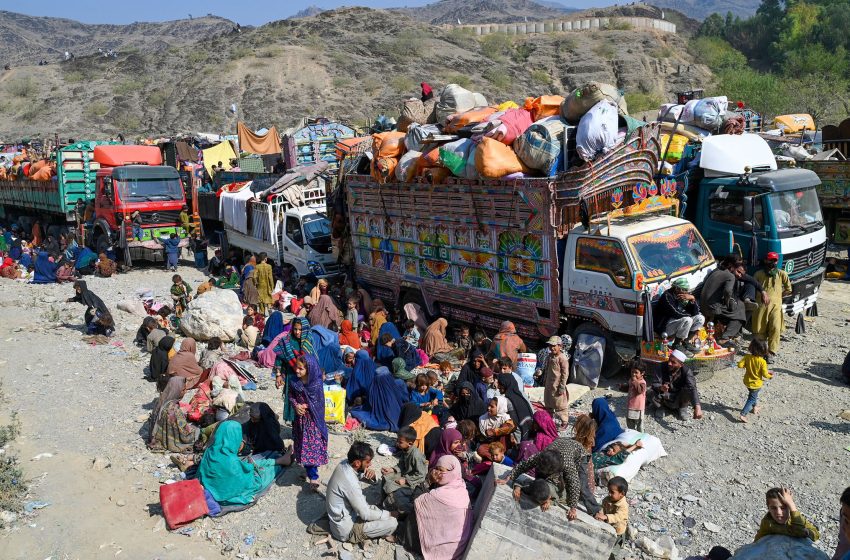
Tawazon – The United Nations has warned that Afghan women returning from Pakistan and Iran face growing risks due to violence, poverty, homelessness, and the lack of humanitarian assistance. The statement was made by UN Women on Thursday, August 7, in a new report released in collaboration with CARE International and other global humanitarian partners.
In a report released on Thursday, August 7, UN Women, in partnership with the humanitarian organization CARE and other global aid agencies, revealed that since September 2023, more than 2.4 million undocumented Afghan migrants have returned from Pakistan and Iran. Since the start of 2025, one third of returnees from Iran and nearly half from Pakistan have been women and girls.
“These vulnerable women and girls are returning with nothing, to communities that are already in crisis,” said Susan Ferguson, UN Women’s country representative. “They want to start new life with dignity, but we urgently need funding to support them.”
The report found that only 10% of returnee women have permanent shelter, and all girls are barred from secondary education. One woman in Nangarhar told UN surveyors: “We need shelter, education opportunities, and jobs.”
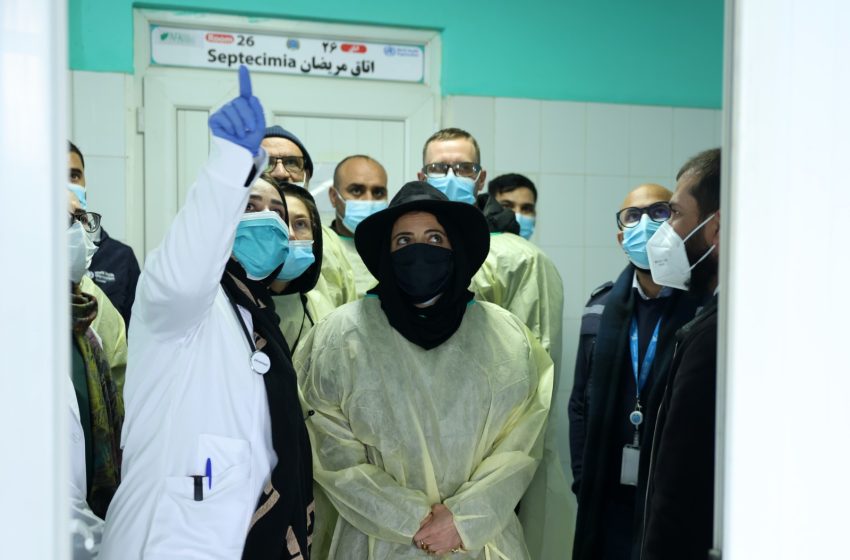
Female aid workers play a vital role in reaching returnee women at border points, but Taliban restrictions, including the requirement for a male guardian, along with reduced funding, have severely hampered their ability to operate. In provinces like Kandahar and Nangarhar, the lack of resources makes it impossible to meet these conditions, limiting female staff presence.
The report warns that the humanitarian response capacity is drastically reduced, with aid workers at border centers saying the number of returnee women is so high they cannot meet even their most basic needs.
Graham Davidson, CARE Afghanistan’s country director, said: “We are seeing women, children, and families who are desperate,homeless, and hopeless. This is having a profound impact on our teams. We need immediate support to provide essential services, safe spaces, and protection.” The UN is calling on international donors to take urgent, concrete steps to protect Afghan women’s rights, support female aid workers, and invest in communities where returnees are being resettled.
The International Organization for Migration (IOM) has also warned that Afghanistan is facing one of the largest migrant return waves in its history. It estimates that close to one million more Afghans will soon return following Pakistan’s refusal to extend refugee permits.
Currently, four reception centers are operating, two in Islam Qala and Milak on the Iranian border, and two in Torkham and Spin Boldak on the Pakistani border. However, budget cuts have placed these facilities under extreme pressure.
The report concludes that without immediate action, the crisis will endanger thousands of women’s lives and further slow Afghanistan’s already fragile recovery.
Afghanistan is grappling with one of the world’s worst humanitarian crises, exacerbated by Taliban restrictions on women’s rights, economic collapse, climate disasters, and ongoing natural calamities. The latest wave of migrant returns has opened the door to an even greater humanitarian catastrophe for Afghan women.