UN-Habitat: Kabul Faces Severe Urban Service Shortages
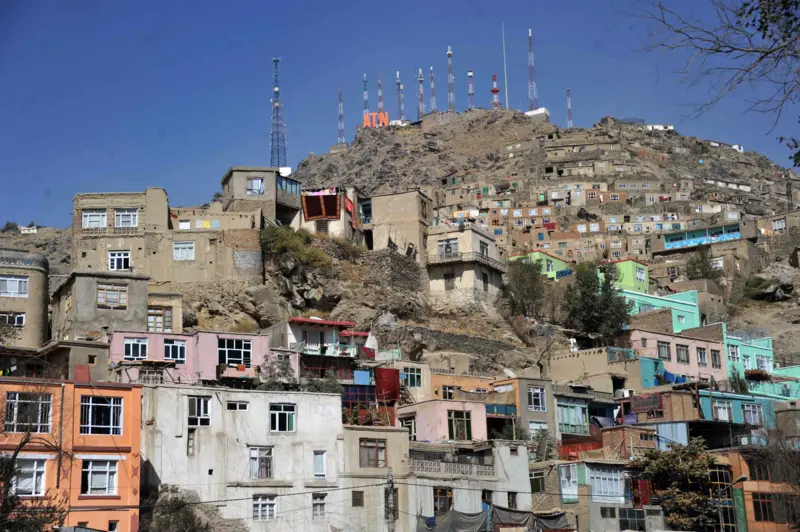
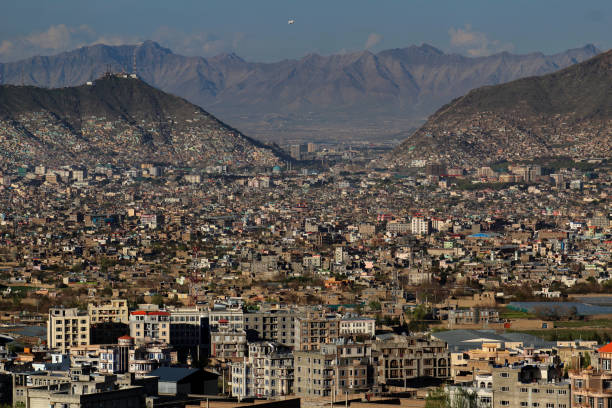
Tawazon – Kabul, Afghanistan’s capital, hosts more than 40% of the country’s urban population, yet much of the city is plagued by a lack of planning, essential services, and climate resilience. In a recent statement, the United Nations Human Settlements Programme (UN-Habitat) warned that the majority of Kabul’s residents live in informal, unplanned settlements, and they are increasingly vulnerable to climate related disasters.
Years of war, poverty, and internal displacement have pushed a growing number of Afghans to migrate to Kabul. As a result, the city has become the fastest growing urban center in the country. However, this surge has overwhelmd its infrastructure. According to UN-Habitat, four out of every five people in Kabul now live in areas that are unregistered, lack legal housing rights, and basic municipal services.
Residents of these informal areas often lack access to clean drinking water, electricity, health services, and even safe shelter. This situation, violates fundamental human dignity and drastically increases the population’s vulnerability to environmental hazards. In particular, rainfall and flash floods frequently result in casualties in these areas due to the absence of proper drainage systems and water management infrastructure.
UN-Habitat emphasized that this is not merely an urban development issue, but a humanitarian and climate emergency. The agency has called on international donors, humanitarian organizations, and de facto authorities to take urgent, coordinated, and sustainable action to address the effects of climate change and rapid urbanization. The goal, it said, must be a more inclusive and resilient urban future for all.
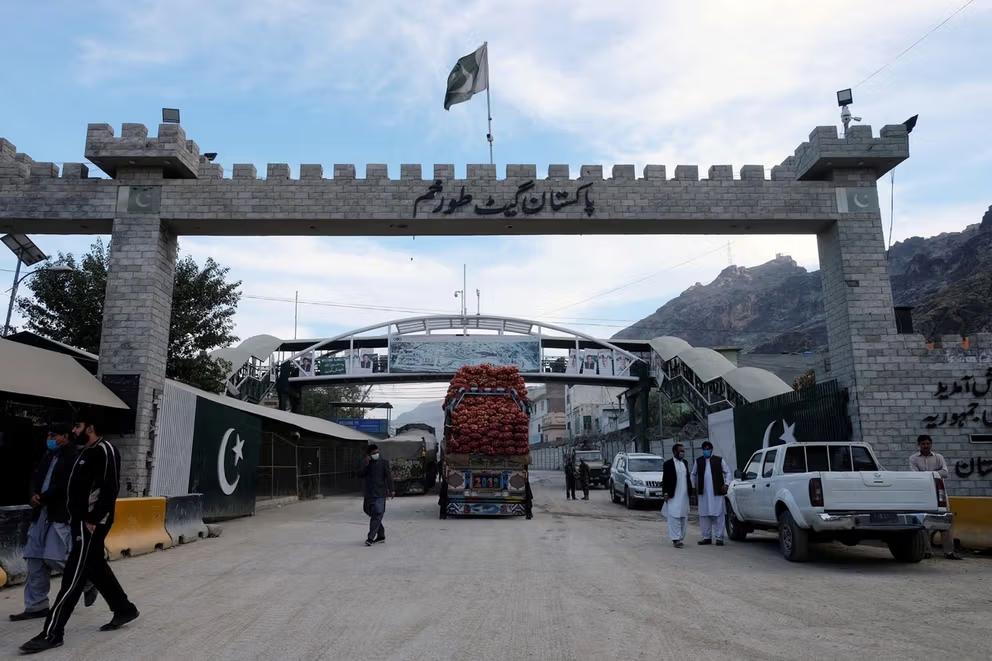
The agency also said that many returnees from countries like Iran and Pakistan have been forced to settle in the outer margins of Kabul, often in informal,underserved areas. In light of this, UN-Habitat stressed that future urban development in Afghanistan must be guided by principles of social equity, climate adaptation, and population management.