Wave of Afghan Returnees From Iran Strains Fragile Humanitarian System
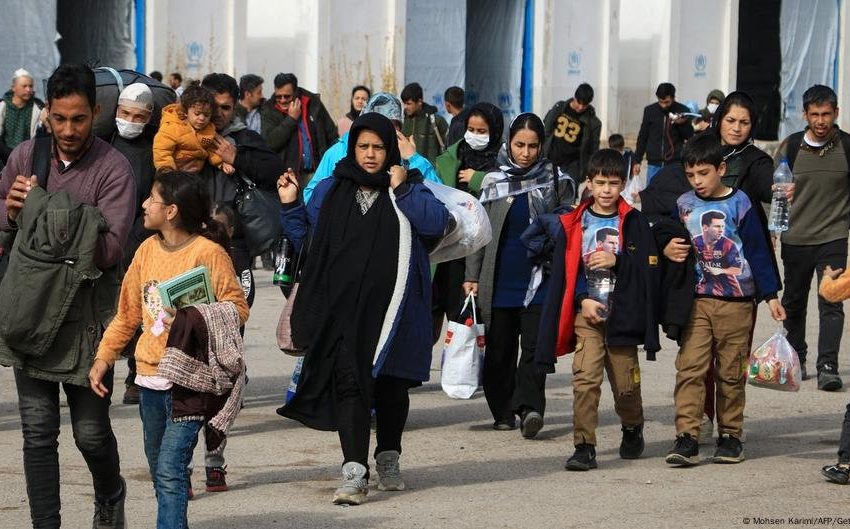
Kabul, Afghanistan — More than 1.5 million Afghans have returned from Iran in recent months, many of them involuntarily and without money, shelter, or support, compounding an already dire humanitarian crisis in Afghanistan, according to the Norwegian Refugee Council.
The organization’s Secretary General, Jan Egeland, warned this week that the mass influx is placing “unprecedented pressure” on Afghanistan’s humanitarian infrastructure, which is already stretched thin as aid budgets dwindle.
“These families are arriving with no destination, no support network, and no possessions,” Mr. Egeland said in a statement released on Thursday. “The humanitarian system is being stretched to breaking point trying to support them — right when critical funding is being cut.”
In recent weeks, Iran has stepped up deportations of undocumented Afghan migrants, giving them until September to leave voluntarily or face removal. Many of the returnees — some of whom had spent years in Iran — have crossed the border only to find little to no assistance on the Afghan side.
Mr. Egeland said NRC teams are providing legal and cash assistance to returnees across Afghanistan, but he added that the resources are running dangerously low. “Many of our staff are personally hosting returnee families in their homes,” he said.
If the current trend continues, the number of Afghan returnees from Iran could surpass three million by the end of 2025, according to projections by the Norwegian Refugee Council.
Inside Afghanistan, the humanitarian picture remains bleak. More than 22 million people — over half of the country’s population — are in need of assistance. The returnees, arriving without shelter or income, threaten to overwhelm already depleted services.
Mr. Egeland called for an immediate halt to involuntary returns and urged donor countries to step up funding for humanitarian efforts in Afghanistan and in neighboring countries that have hosted Afghan refugees for decades.
“This is not just an Afghan crisis — it is a regional and global responsibility,” he said.