Khalilzad: Pakistan Must Learn from Indian Strikes— Supporting Terrorism Leads to Tragedy
In retaliation for a recent militant attack on tourists in Indian-administered Kashmir that resulted in the deaths of 26 civilians, the Indian armed forces launched targeted strikes on several sites inside Pakistan. These operations reportedly involved missiles, fighter jets, and drones.
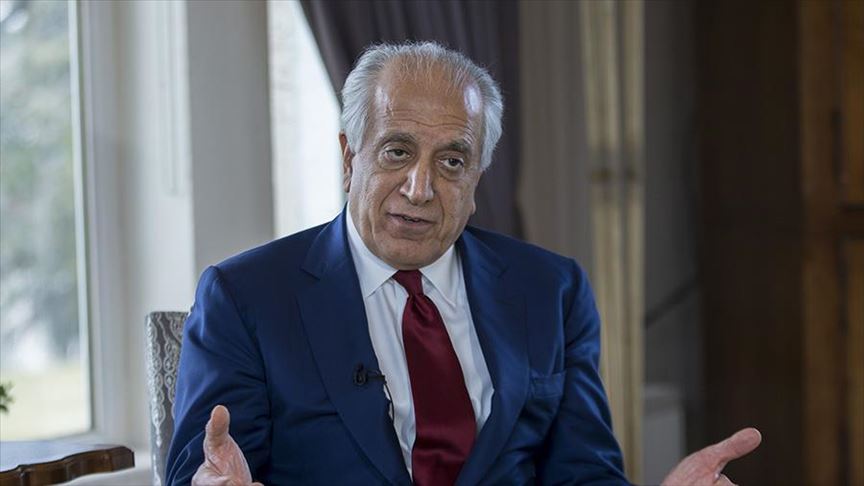
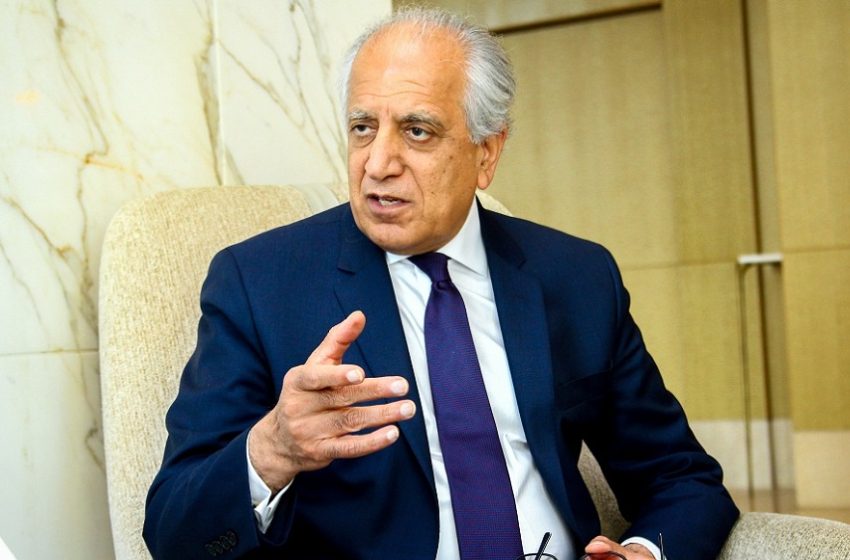
India’s response has drawn international reactions, including a notable statement from Zalmay Khalilzad, the former U.S. Special Representative for Afghan Reconciliation. Posting on his official X account, Khalilzad urged Pakistan to draw lessons from the incident, cautioning that supporting terrorism leads only to tragedy and disaster.
Without naming Pakistan directly, he referred to the escalation between the two countries, stating that in response to the terrorist attack in Kashmir, India struck several targets inside Pakistan and Islamabad retaliated. He described this as a dangerous sequence of events and emphasized the need for both sides to work toward de-escalation.
Khalilzad also highlighted Pakistan’s deteriorating internal security, particularly in Balochistan, where the situation remains volatile. Referring to a recent incident in which seven Pakistani soldiers were killed, he called it a tragedy and warned that Pakistan’s current military strategy is failing. He stressed that unless this approach is revised, further violence and instability are likely.
Since the signing of the Doha Agreement between the Taliban and the United States, Khalilzad has increasingly adopted a critical stance toward Pakistan, often voicing concerns over its military leadership, political institutions, and governance.
Meanwhile, the spokesperson for Pakistan’s military stated in a press conference in Islamabad that at least 26 people were killed and 46 injured in the Indian strikes. The official claimed that mosques and religious schools were among the targets and that all casualties were civilians.
In a related development, Pakistan’s National Security Council convened an emergency meeting to discuss a response. Following the session, the Prime Minister’s Office announced that the armed forces had been directed to prepare for an appropriate reply.
In light of the escalating tensions, Indian Prime Minister Narendra Modi has postponed his upcoming visit to Europe, which was scheduled to include stops in Croatia, the Netherlands, and Norway.
Experts on India-Pakistan affairs warn that a tit-for-tat response from Pakistan could escalate into a serious and destructive conflict between the two nuclear-armed neighbors.