U.S. Imposes Fresh Sanctions on Iran’s Oil and Shipping Sectors Amid Rising Tensions
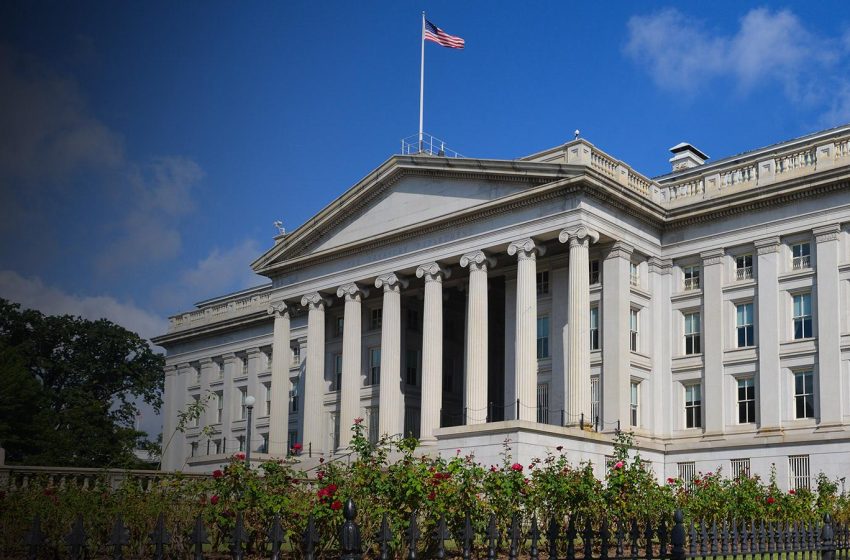
The United States has imposed new sanctions on Iran, targeting its energy sector, shipping industry, and oil trade, as part of its ongoing “maximum pressure” campaign. The U.S. Department of the Treasury’s Office of Foreign Assets Control (OFAC) announced the sanctions on February 6, 2025, citing Iran’s destabilizing activities in the Middle East, including its support for proxy groups like Hamas, Hezbollah, and the Houthi rebels in Yemen.
According to the Treasury Department, the sanctions include restrictions on Iran’s state-owned energy firms and a network of foreign companies involved in transporting Iranian crude oil to China. Several shipping firms and individuals from China, India, and the UAE have been blacklisted for facilitating these transactions. The targeted entities allegedly help Iran circumvent existing U.S. sanctions by disguising the origins of Iranian oil.
The U.S. also accused Iran of using the profits from oil sales to fund its nuclear program and regional militant groups. The sanctions include freezing the assets of the companies and individuals involved and prohibiting American businesses from engaging with them. The Biden administration has warned that further measures will be taken if Iran continues its illicit activities.
In a separate statement, the U.S. State Department stated that Iran’s actions threaten regional stability. “We will not tolerate Tehran’s continued support for terrorist organizations and its attempts to evade sanctions,” the statement read. The U.S. also claimed that Iran’s shipping fleet had transported millions of barrels of oil to China, with the revenues being funneled toward military and paramilitary activities.
The new sanctions come at a time when Israeli Prime Minister Benjamin Netanyahu is visiting Washington. Analysts believe that Netanyahu, who has long called for tougher measures against Iran, may have influenced the decision. The move also follows increased tensions between Iran and Israel, with reports indicating that Tehran has been increasing its military presence in Syria and Lebanon.
On Tuesday, President Biden signed an executive order On Tuesday, President Biden signed a National Security Presidential Memorandum (NSPM) reinforcing economic pressure on Iran, emphasizing that US remains committed to preventing Iran from acquiring nuclear weapons. According to Reuters, the order is aimed at cutting off Iran’s access to international financial networks and blocking oil exports, which remain a key source of revenue for the Iranian government.
Despite these pressures, Iran has dismissed the sanctions as ineffective. Iranian Foreign Ministry spokesman Nasser Kanaani stated that the sanctions “will not change Iran’s policies” and accused the U.S. of economic warfare. Iran has continued to demand that all sanctions be lifted before it resumes compliance with the 2015 nuclear agreement, which was abandoned by the U.S. under the Trump administration.
With diplomatic tensions escalating, the impact of these sanctions on Iran’s economy and its regional activities will be closely watched in the coming months.