Afghan Refugees in Pakistan Struggle for Healthcare Amid Legal and Financial Hurdles
Afghan refugees in Pakistan face significant barriers to accessing healthcare services due to the absence of a formal policy that allows them to easily receive care in government and semi-government hospitals.
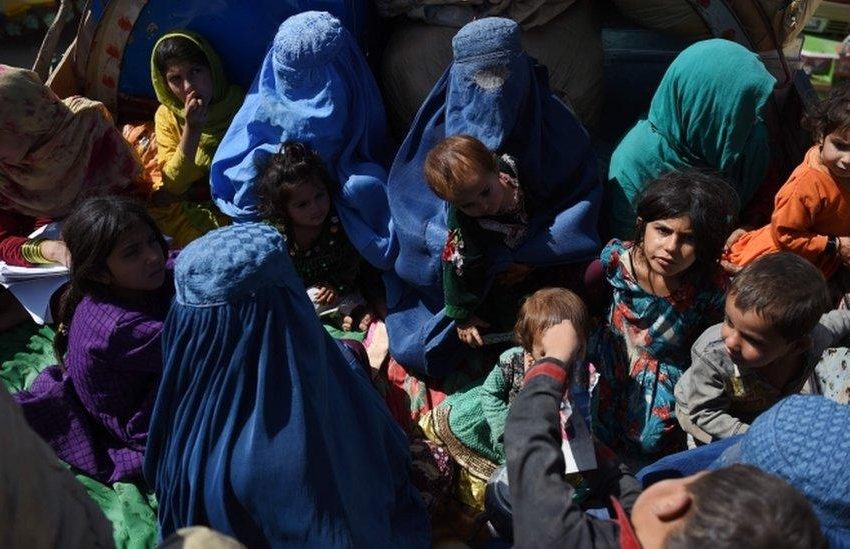
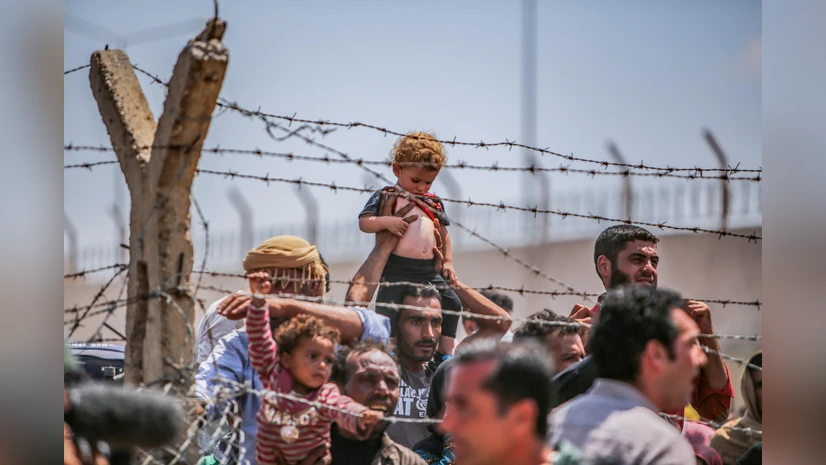
Approximately 3.8 million Afghans currently reside in Pakistan, many of whom fled the Soviet invasion and the conflicts that followed since 1979. While some have legal residence documents, many others live in the country without proper documentation.
According to the United Nations High Commissioner for Refugees (UNHCR) office in Pakistan, many Afghans sought refuge in Pakistan following the Taliban’s return to power in August 2021. These refugees are largely awaiting resettlement or asylum in Western countries. However, due to their lack of legal documentation, many Afghan refugees in Pakistan are denied basic rights such as access to work, education, and healthcare services.
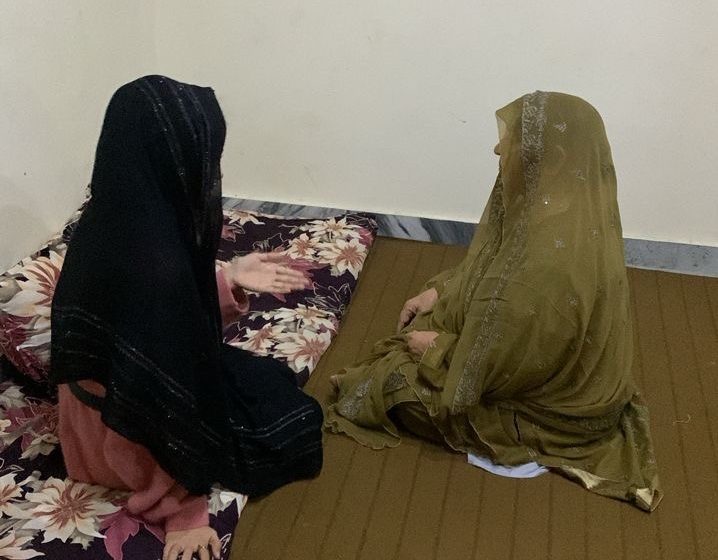
Arzo, a civic activist who fled to Pakistan with her family after the Taliban’s return, shares her struggles: “We have been refugees in Pakistan for two years, but due to the lack of legal documents, we cannot find work or pursue education, and we are unable to address our health issues.”
Arzo’s family faces serious health challenges: “My parents and brother have ongoing health issues, and we need to take my father to the doctor every month for treatment of Diabetes Mellitus (DM) and kidney problems. Unfortunately, sometimes we cannot afford his treatment due to the lack of money for medicines and healthcare. If we go to a government hospital, the patient crowd is so large that we are often forced to wait for weeks just for a simple check-up, which is unacceptable. Patients may lose their lives during this waiting period.”
Economic hardships further complicate Arzo’s ability to access healthcare: “The treatment costs at private hospitals in Islamabad are extremely high. Doctor fees start from 4,000 rupees, medical tests range from 7,000 to 50,000 rupees, and medicines can cost anywhere from 3,000 to 100,000 rupees. These costs are beyond our reach, so we resort to purchasing basic medicines from pharmacies, but they are insufficient, prolonging illness and causing increased pain, which ultimately raises costs.”
Mohammad, another Afghan refugee who recently moved to Pakistan, also shares his struggles accessing healthcare. He explains: “I’ve been living in Pakistan with my family for the past two years. I worked at a call center near my home, but six months later, when my visa expired, the office manager fired me. This led to significant economic hardship, compounded by my worsening health.”
Mohammad recalls his experience trying to find treatment: “When I developed kidney stones and a liver condition, I was unsure where to seek help. I went to a government hospital (PIMS) and requested a CT scan, but they scheduled the appointment for 40 days later, even though my condition was serious and extremely painful. I asked for an earlier appointment, but they advised me to go to a private clinic, which I couldn’t afford. The initial consultation alone would have cost 30,000 rupees.”
Due to the severity of his health condition, Mohammad sought financial assistance from Afghanistan and went to Ali Medical Hospital for treatment. However, the registration department required a valid visa, and since Mohammad’s visa had expired, he was denied treatment under the hospital’s new policy.
Dr. Mohammad Naeem, a physician at a government hospital in Islamabad, explains: “There is no official health policy in Pakistan providing free medical services to Afghan refugees. However, registered refugees with residence cards can consult government hospital doctors without any issues.”
He further clarifies that Afghan refugees can receive free check-ups at health centers, but they are not entitled to free medicines, medical equipment, or hospitalization, as the government has not granted them this right.
In addition to healthcare struggles, Afghan refugees in Pakistan face severe psychological challenges, compounded by their uncertain future, unemployment, lack of access to health services, and the absence of free medical services. Many also lack access to psychological counseling services, which adds to their distress.
This ongoing crisis persists despite the World Health Organization’s (WHO) recognition of access to healthcare as a fundamental human right. The WHO Constitution, adopted in 1946, affirms that governments are obligated to ensure access to healthcare services for all people, including refugees. However, Afghan refugees in Pakistan continue to face a dire lack of support and essential services.